
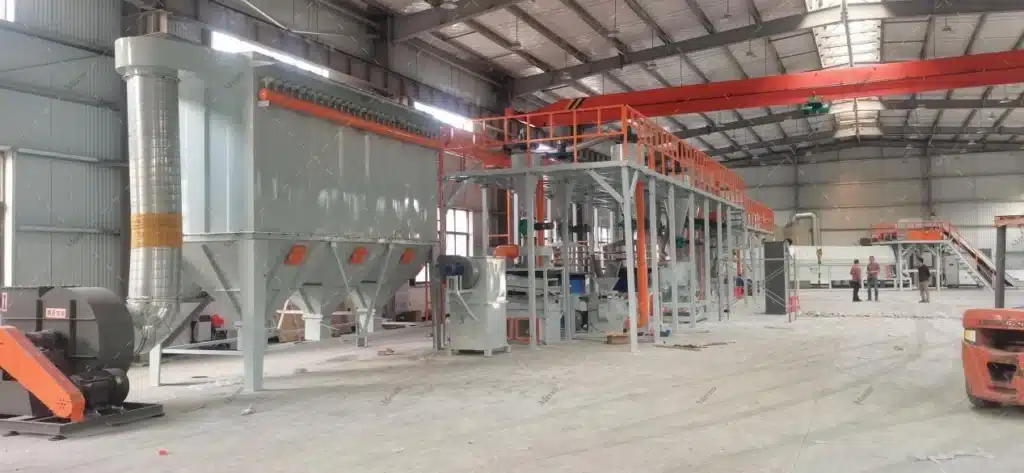
Electric vehicle (EV) batteries usually keep 70–80% of their starting capacity after leaving car use. At this point, they are unfit for driving vehicles. But they still hold useful materials and energy. The usual end-of-life paths include reusing, recycling, or throwing away. Bad disposal can cause environmental dangers. This is due to heavy metals and burnable electrolytes.
As the need for electric vehicles keeps rising, the value of proper electric vehicle battery recycling grows too. Rather than tossing these batteries in dumps, they can go through high-level recycling setups. These pull out key resources like lithium, cobalt, and nickel.
Before the recycling stage, many recyclable electric car batteries are reused in second-life roles. These cover fixed energy storage for houses, business sites, and grid power control. This method stretches the battery's life. It also delays the environmental harm from recycling or disposal.
Second-life use not only boosts resource use. It also helps steady renewable energy like solar and wind. This is achieved by saving extra power in low-use times.
Thrown-out EV batteries create big environmental threats. This is from toxic chemicals that can seep into the ground and water. Plus, digging new raw materials for battery making is pricey and harms the environment.
Focusing on "resource recycling," the company specializes in research, development, and production of eco-friendly recycling machinery. The company offers tailored recycling and processing solutions for different industries. These industries include lithium batteries, metals, and solid waste. Such work matches worldwide initiatives to minimize e-waste. It also supports responsible utilization of natural resources.
Recycling plays a key part in reaching lasting mobility. It does this by cutting the need for fresh material pulling. It also aids in dropping greenhouse gas outputs linked to mining and making steps.
By using good electric vehicle battery recycling methods, makers can build a closed-loop supply chain. Here, pulled-back materials are used again in new batteries. This lowers making costs. It also saves limited resources.
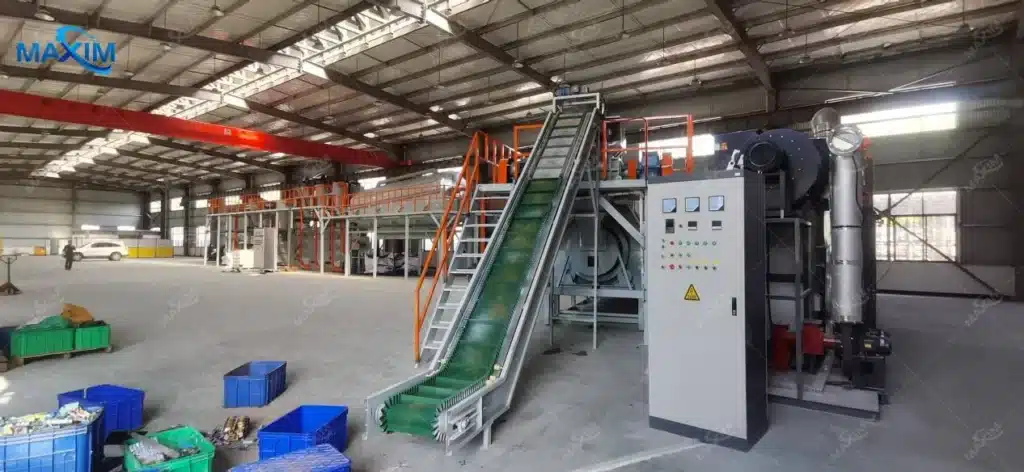
The process starts with gathering and safely moving used EV batteries to special sites. Once there:
Our efficient, intelligent, and environmentally friendly equipment helps companies reduce costs and increase efficiency, promoting green and sustainable development.
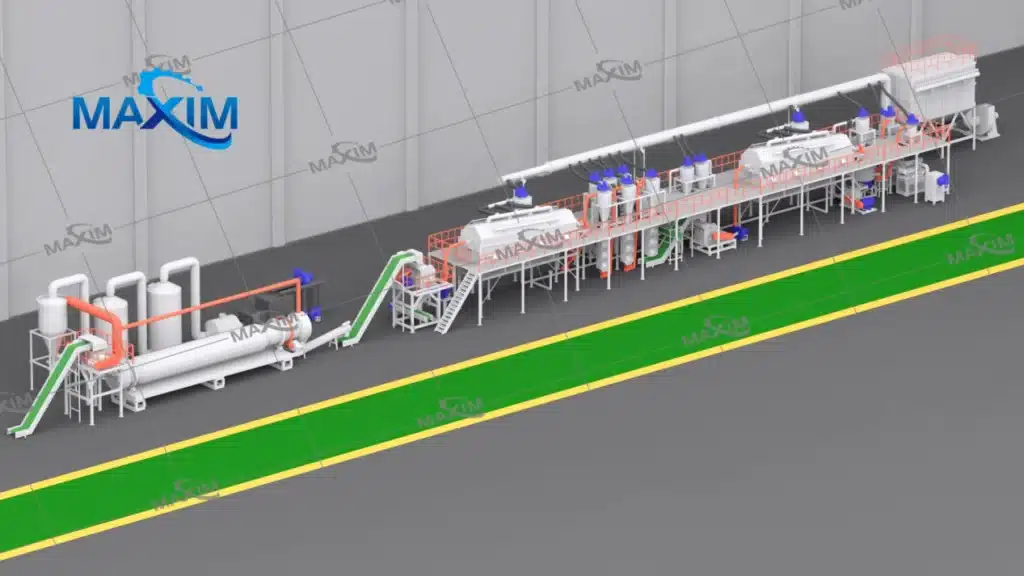
MAXIM machinery’s lithium battery recycling line offers full closed-loop processing (Pre-shredding-crushing - sorting) that meets environmental emission standards; intelligent control reduces manual intervention; adapts to various battery types, making it ideal for modern electric vehicle battery recycling needs.
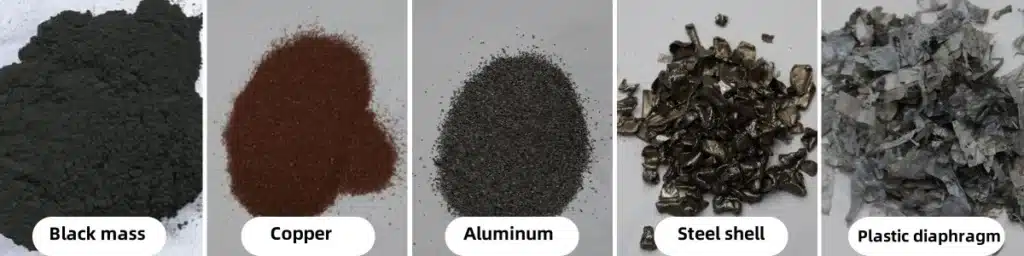
EV battery recycling allows pulling back of:
These materials can mix back into new battery making. Or they can sell into other fields like electronics or metallurgy.
Dealing with high-energy lithium-ion batteries brings risks like fire or blast if not handled right. Also, design changes across makers make auto breakdown hard.
MAXIM machinery addresses these issues through customized solutions tailored according to customer production capacity requirements, material characteristics, and site conditions, ensuring safety while maximizing recovery efficiency.
Many areas lack standard rules or setups for large-scale EV battery gathering and handling. This causes uneven ways batteries get dealt with after use.
To support compliance efforts globally, MAXIM machinery’s equipment complies with national regulations such as the "Law on the Prevention and Control of Environmental Pollution by Solid Waste" and the "Regulations on the Management of Renewable Resources Recycling."
New ideas include hydrometallurgical processes. These use chemical leaching rather than smelting to pull metals better with less dirt.
Core components, such as shredder blades and sorting systems, receive independent development from MAXIM machinery. These components feature excellent wear resistance. This resistance improves durability during heavy-duty operations.
Consumers must not toss EV batteries in normal trash due to fire risks and toxic leaks.
Instead:
Public knowledge is vital. Safe disposal makes sure these batteries go into official electric vehicle battery recycling paths. Not dumps.
Makers have a big role via Extended Producer Responsibility (EPR) setups. These require them to help with end-of-life return plans.
Sellers can aid by having drop spots or giving perks like cuts on new buys when buyers return old ones. This helps shut the gap between item use and careful disposal.
Henan MAXIM Machinery Equipment Co., Ltd. focuses on fresh ideas, creation, and manufacturing of self-made and self-built machinery. The focused lithium battery recycling line allows quick breakdown and material recovery of useful parts like battery cells, electrode materials, and metals.
MAXIM machinery features smart control systems. These systems enable remote monitoring. The machinery cuts down on hands-on work. At the same time, it maintains operating safety. This approach fits well for expanding electric vehicle battery recycling operations worldwide.
Our full-life cycle service program covering "preliminary consultation - solution design - equipment production - installation - training - after-sales maintenance" guarantees long-term value creation for clients across industries.
In addition to our leading EV battery recycling production line solutions:
These offerings demonstrate MAXIM machinery’s commitment to building a circular economy across multiple sectors through scalable, customized technology platforms.
A: Yes. Electric vehicle batteries can be recycled. Specific processes pull out main metals like lithium, cobalt, nickel, copper, aluminum, and others. These metals get reused in new products or batteries.
A: An EV battery reaches the end of its life for vehicle use at about 70% capacity. The EV battery can work in second-life uses, like energy storage. Then the EV battery goes to specialized EV battery recycling facilities.
A: Return the item to certified recyclers or manufacturer-sponsored take-back programs. Avoid throwing it into the regular trash. Safety reasons demand this method.
A: Leading EV battery recycling companies include Li-Cycle (Canada), Redwood Materials (USA), Umicore (Belgium), Glencore (Switzerland), and emerging players such as Henan MAXIM Machinery Equipment Co., Ltd., offering customized solutions worldwide.
A: A custom EV battery recycling production line follows particular customer needs. These needs cover material (ternary lithium or LFP), output capacity, plant layout limits, and automation options. This setup delivers top efficiency and full compliance.
Discover how integrated lithium battery recycling equipment enhances plant safety, automation, metal recovery rates, and operational efficiency while supporting large-scale, eco-friendly battery recycling production lines.
