Contact Us for Brochures, Free Project Designs, Product Quotes and other Support.
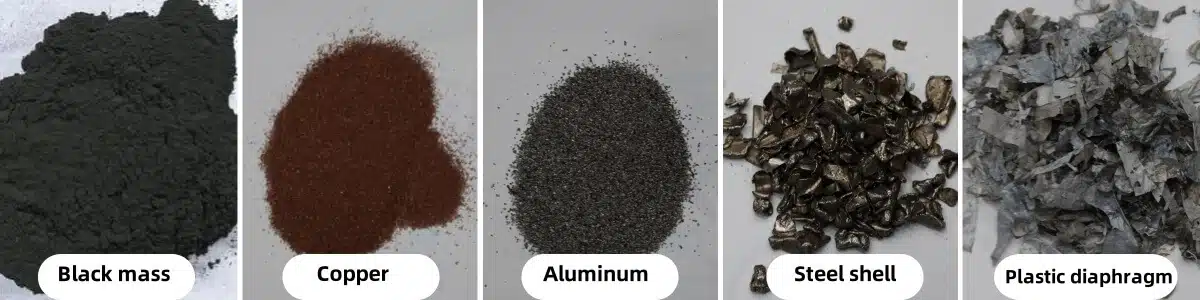
The waste lithium battery recycling production line is designed for the automated crushing, sorting, separation, and recovery of valuable materials from spent lithium-ion batteries. This lithium battery recycling equipment can process electrode sheets and battery production waste, separating copper, aluminum, cathode materials, and anode materials for further recycling and reuse.
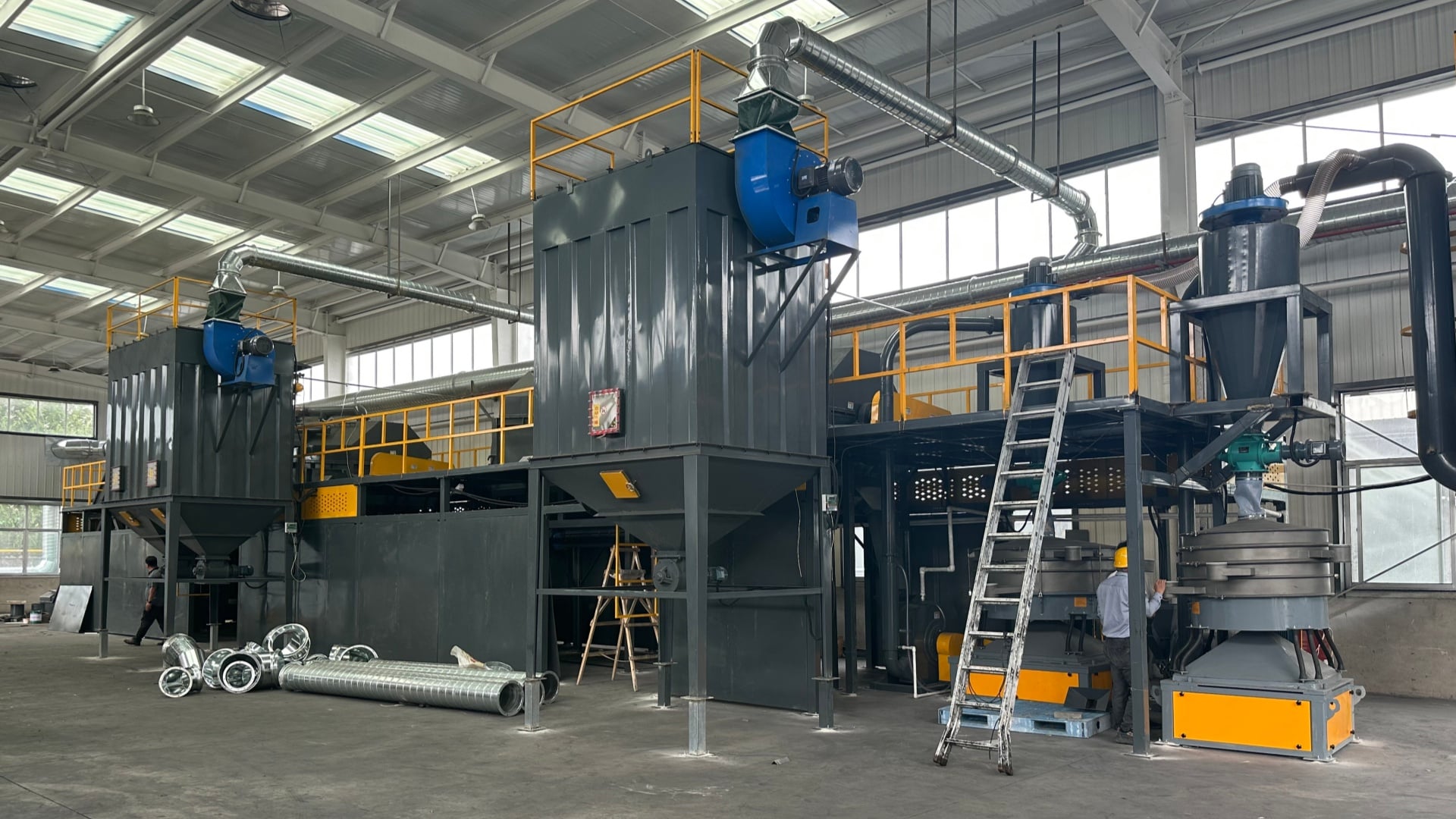
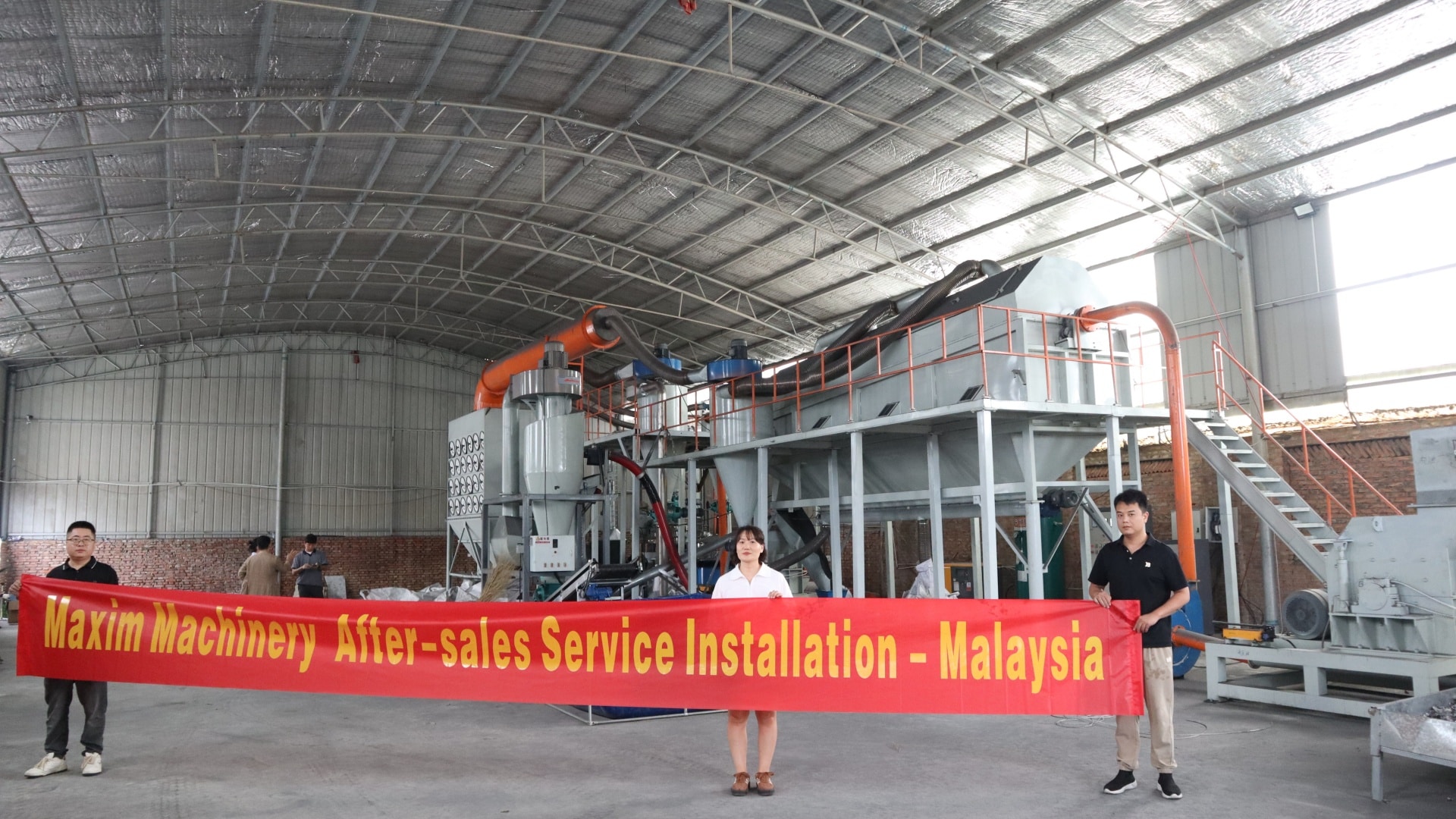
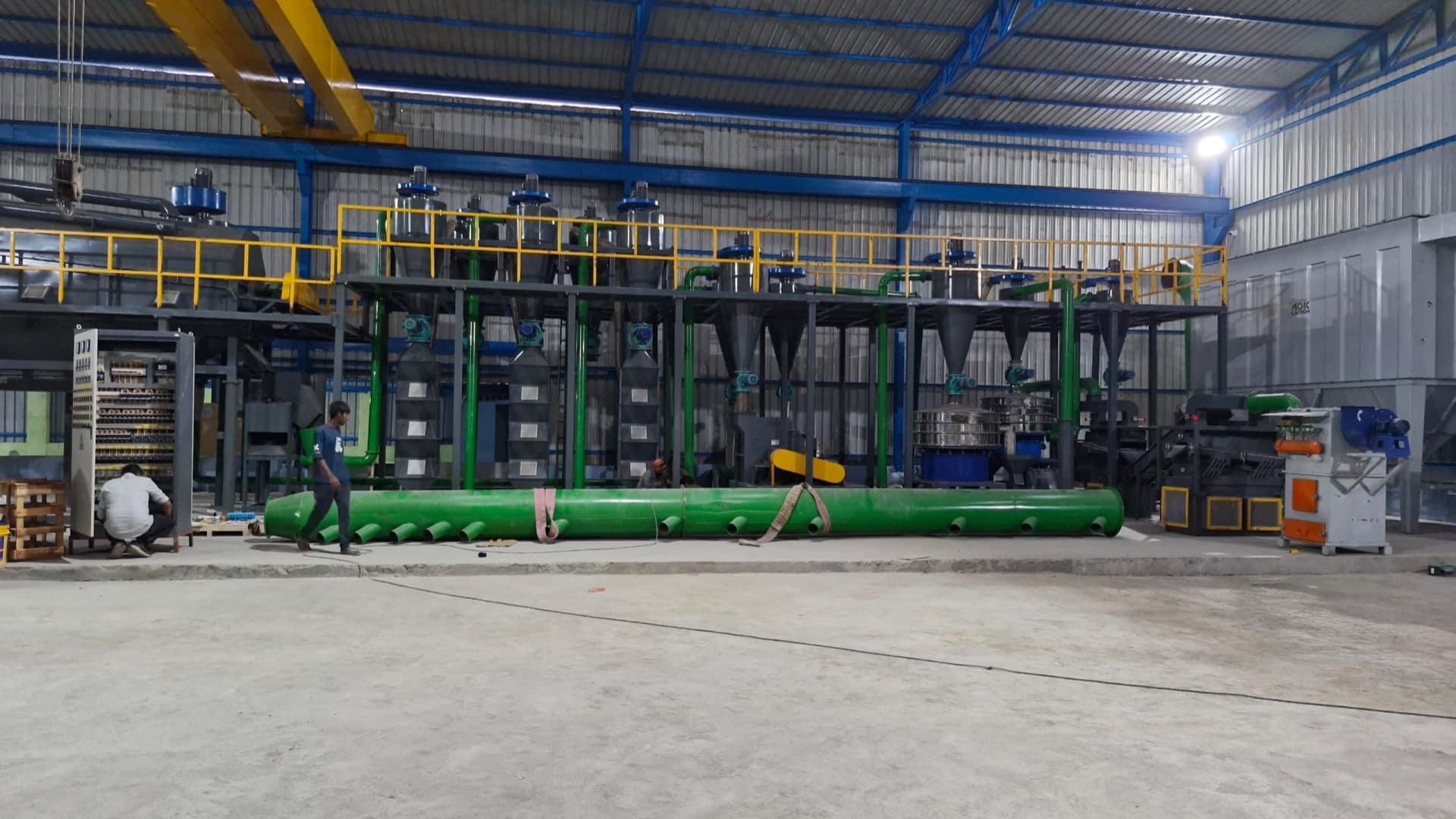
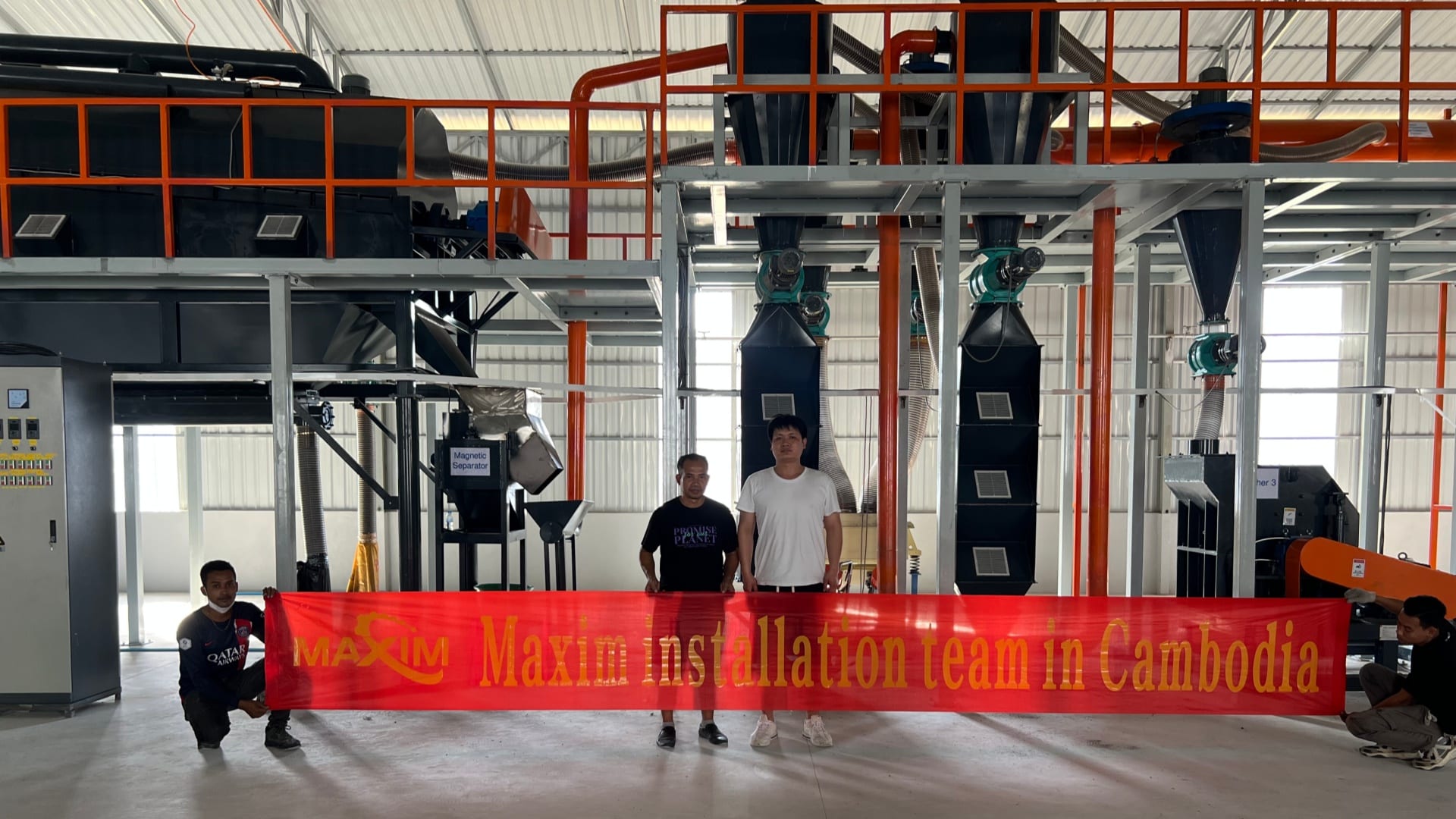
The complete lithium battery recycling production line includes a crushing system, conveying system, screening and sorting equipment, air separation equipment, automatic control units, and a centralized dust collection system. The entire process operates under negative pressure, helping reduce dust leakage and maintain a cleaner production environment.
Through multi-stage crushing and physical separation, the system can achieve efficient recovery of copper and aluminum. Under suitable raw material and operating conditions, the aluminum content in the recovered electrode powder can be controlled below 3‰, while the purity of separated copper and aluminum can reach 96% or higher.
This automated spent lithium battery recycling system is suitable for industrial-scale battery recycling projects. It provides a practical solution for recovering valuable metals, reducing solid waste, and supporting cleaner and more efficient lithium-ion battery recycling operations.

The waste lithium battery recycling production line can be configured for processing spent battery cells, positive and negative electrode sheets, cylindrical batteries, power batteries, consumer electronics batteries, and selected battery manufacturing waste.
Suitable applications may include:
The appropriate lithium battery recycling machine configuration depends on whether the feed material consists of complete batteries, discharged cells, battery modules, electrode sheets, or preprocessed battery materials. Battery condition and pretreatment requirements should be confirmed before equipment selection.

1. Battery Feeding and Pretreatment
Prepared lithium battery materials are fed into the recycling system according to the selected process configuration. Complete batteries may require discharge, dismantling, or other safety pretreatment before entering the crushing line.
2. Primary Battery Shredding
A battery shredder reduces the feed material into smaller pieces. Primary size reduction helps expose electrode materials, copper foil, aluminum foil, casings, and other internal components.
3. Secondary Hammer Crushing
The shredded material enters a battery crushing machine for further size reduction. Hammer crushing helps release black powder and separate electrode coating materials from copper and aluminum fractions.
4. Screening and Particle Classification
Vibrating screens classify the crushed material by particle size. Fine black powder is separated from larger copper, aluminum, casing, and separator fractions.
5. Airflow Separation
Air separation uses differences in particle weight and aerodynamic behavior to separate lightweight and heavier materials. This stage supports the recovery of black powder, copper, aluminum, and other fractions.
6. Material Collection
Separated black powder, copper, aluminum, and other outputs are discharged through dedicated collection points for downstream handling or further refining.
7. Negative-Pressure Dust Collection
Dust generated during shredding, crushing, screening, and conveying is collected through a centralized air purification and dust removal system.


To be recycled battery types–Cell phone batteries, car power batteries, laptop batteries, all kinds of LIB battery, not limited to the 6kinds below:
NMC (NCM) – Lithium Nickel Cobalt Manganese Oxide (LiNiCoMnO2)
LFP – Lithium Iron Phosphate (LiFePO4/C)
LNMO – Lithium Nickel Manganese Spinel (LiNi0.5Mn1.5O4)
NCA – Lithium Nickel Cobalt Aluminium Oxide (LiNiCoAlO2)
LMO – Lithium Manganese Oxide (LiMn2O4)
LCO – Lithium Cobalt Oxide (LiCoO2)

Production line indicator description:
| NO: | NAME | RECOVERY |
| 1 | Black powder recovery | ≥99% |
| 2 | Aluminum powder recovery | ≥99% |
| 3 | Copper recovery | ≥99% |
| 4 | Aluminum content of black powder | ≤1% |
| 5 | Aluminum black powder content | ≤1% |
| 6 | Copper content of black powder | ≤1% |
| 7 | Black powder content of copper | ≤1% |
| 8 | Dust content | ≤5mg/m³ |
| 9 | noise | ≤90dB |
Technical Parameters:
| Model | Capacity |
| MX-500 | 500 Kg/H |
| MX-1000 | 1000 Kg/H |
| MX-1500 | 1500 Kg/H |
| MX-2000 | 2000 Kg/H |
| MX-2500 | 2500 Kg/H |
| WORKING PERFORMANCE | |
| Raw Material | Lithium Battery |
| Final Product | Mainly Copper, Aluminum, Lithium Cobalt Oxide, Graphite Powder |
Q: What materials can a lithium battery recycling production line process?
A: A lithium battery recycling production line can process NMC, LFP, NCA, LMO, LCO and LNMO batteries, cylindrical cells, power batteries, electrode sheets and selected battery production waste.
Q: What materials can lithium battery recycling equipment recover?
A: The lithium battery recycling equipment mainly recovers black powder, copper, aluminum and other reusable battery material fractions.
Q: What capacities are available for the lithium battery recycling line?
A: The available lithium battery recycling line models provide nominal processing capacities from 500 to 2,500 kg/h.
Q: Does a lithium battery recycling machine require battery pretreatment?
A: Yes. Complete, charged, damaged or swollen batteries may require discharge, dismantling, drying or other safety pretreatment before entering the lithium battery recycling machine.
Q: How does a lithium battery recycling production line recover black powder?
A: The lithium battery recycling production line uses shredding, hammer crushing, screening and airflow separation to separate black powder from copper, aluminum and other battery components.
Q: What recovery rate can lithium battery recycling equipment achieve?
A: The published targets for the lithium battery recycling equipment include recovery rates of at least 99% for black powder, copper and aluminum under specified operating conditions.
Q: How does battery recycling equipment control dust?
A: The battery recycling equipment uses centralized negative-pressure dust collection at shredding, crushing, screening, conveying and separation points.
Q: What information is required to select a lithium battery recycling line?
A: Customers should provide battery chemistry, battery format, feed condition, residual charge status, required capacity, target recovered materials, local voltage and available plant space.