
The increase in electric vehicles (EVs), energy storage systems, and consumer electronics worldwide has led to a quick expansion in lithium-ion battery usage. These batteries reach end-of-life, and improper disposal then generates significant risks. Such risks include toxic metal leaks, fire hazards, and damage to the environment. Modern lithium battery recycling technology now serves a key function in securely and ecologically managing battery waste.
Manual methods no longer work well for dealing with the amount and difficulty of spent lithium batteries. Effective, big-scale recycling calls for industrial battery recycling systems. These systems handle discharging, crushing, and separating useful materials. They follow tight safety and environmental rules.
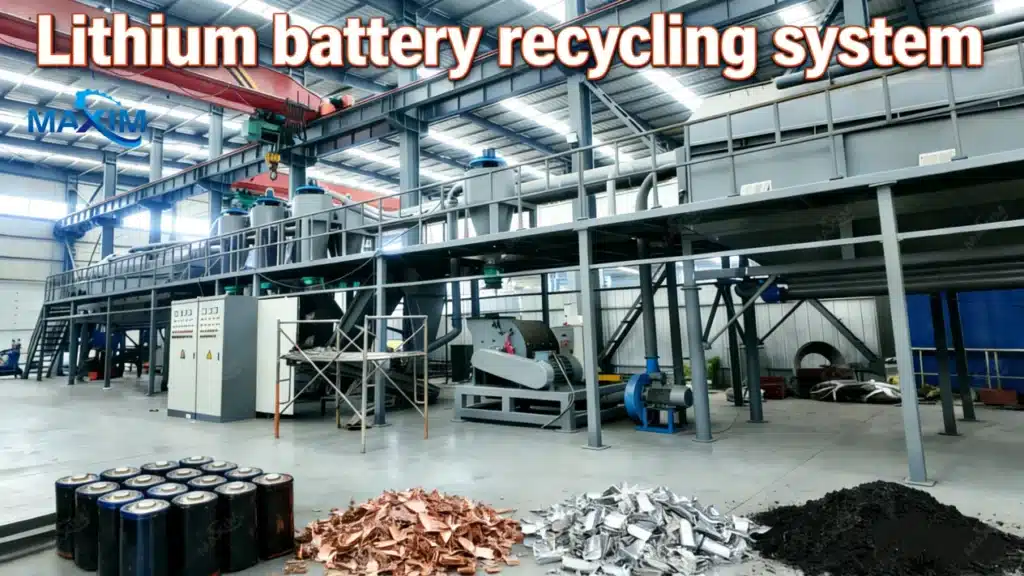
The recycling of lithium-ion batteries includes several managed steps. These steps guarantee safe breakdown and recovery of materials like copper, aluminum, and black mass. A lithium battery recycling production line usually combines shredding, crushing, air separation, magnetic separation, and dust collection. It forms a smooth process.
Manual processes demand a lot of labor. They also face risks of pollution or mishaps. Automated recycling lines deliver steady quality. They also cut down on work hazards. The comprehensive recycling and treatment equipment for waste lithium batteries has a high degree of automation and is easy to industrialize.
MAXIM machinery provides customized solutions for full-line integration, allowing flexible capacity adjustment and compatibility with various battery types such as NCM, LFP, NCA, LCO, and cylindrical cells.
Pre-treatment starts with full battery discharge to remove leftover power. This step matters greatly. It stops heat-related reactions that might cause fires or blasts during mechanical handling.
MAXIM machinery focuses heavily on safety design. Automated discharge systems limit human touch with dangerous items. This setup guarantees safer work across the full recycling process. The equipment is integrated with a PLC control system supporting remote monitoring and fault warnings.
Good material separation begins with managed shredding. MAXIM machinery’s battery crushing machine is built for strong wear resistance and impact strength. The shredding system frees electrode materials from outer shells. This action supports later separation.
The production line consists of a crushing system, a sorting system, a conveying system, an air purification system, an automatic control system, etc., and is equipped with a centralized dust removal system. This closed design cuts down dust creation. It also improves particle size spread for better sorting. Such a feature stands out in advanced lithium battery shredding technology.
After crushing, a multi-stage separation process takes place. Light items like plastics get taken away by air separation. Parts with iron come out through magnetic separation. At last, the black mass appears. This powder holds plenty of lithium, cobalt, nickel, and manganese. Vibrating screens and gravity methods handle the separation.
MAXIM machinery’s high-efficiency systems ensure high recovery rates and stable output quality, which are critical for downstream refining or reuse.
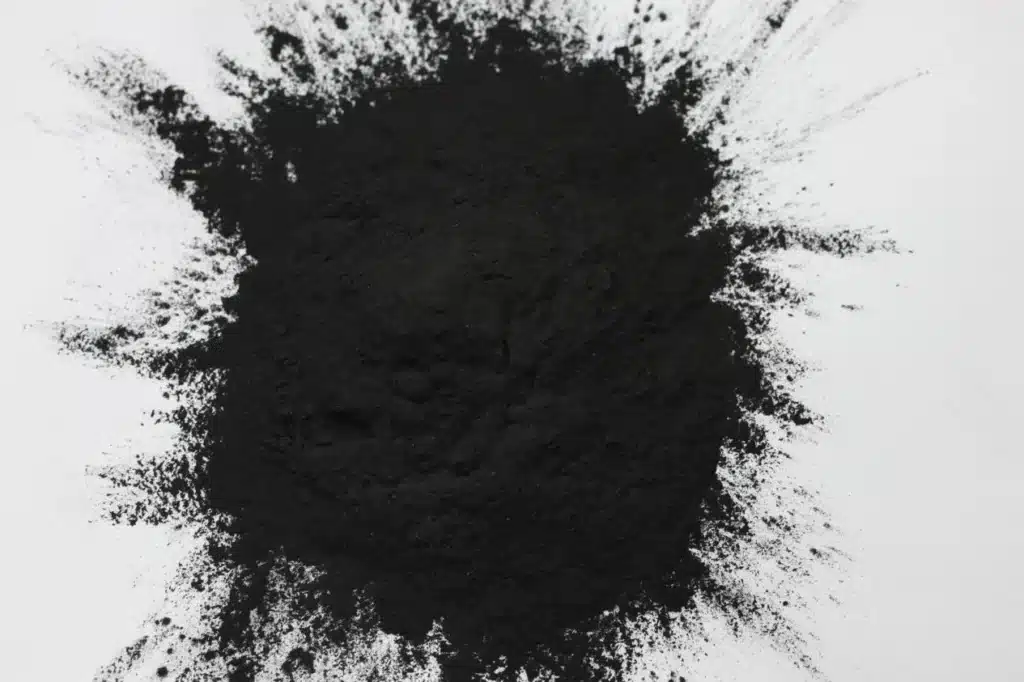
Black mass ranks as the top value part from recycled lithium batteries. Purity levels affect the cost side of battery material recovery. The lithium battery treatment equipment separates the aluminum, copper, and positive and negative electrode materials in the discarded positive and negative electrode sheets for recycling purposes.
MAXIM machinery’s improved separation methods make sure recovered black mass shows low pollution. The aluminum content of positive and negative electrode materials is less than 3 ‰, and the grade of copper and aluminum is ≥ 96%. This boosts the work of later hydrometallurgical or pyrometallurgical refining processes.
Meeting environmental standards remains essential in current recycling sites. MAXIM machinery’s equipment combines negative-pressure ventilation systems with multi-stage dust filtration.
The whole production line operates under negative pressure, and there is no dust overflow during the production process. This setup creates a tidier workspace. It also aids firms in following local environmental rules. MAXIM machinery emphasizes “environmentally friendly mechanical design”, with emissions tested by certified third parties.
Automation offers steady results along with lower costs. Advanced sensors and smart control systems power MAXIM machinery’s automated battery recycling equipment. This gear provides reliable output with little stoppage time.
Automation cuts reliance on workers. It raises material yield levels. Safety improves, too, since people face fewer dangerous substances. Each system fits particular production demands. Options range from batch size to automation level. This approach brings strong flexibility to different fields.
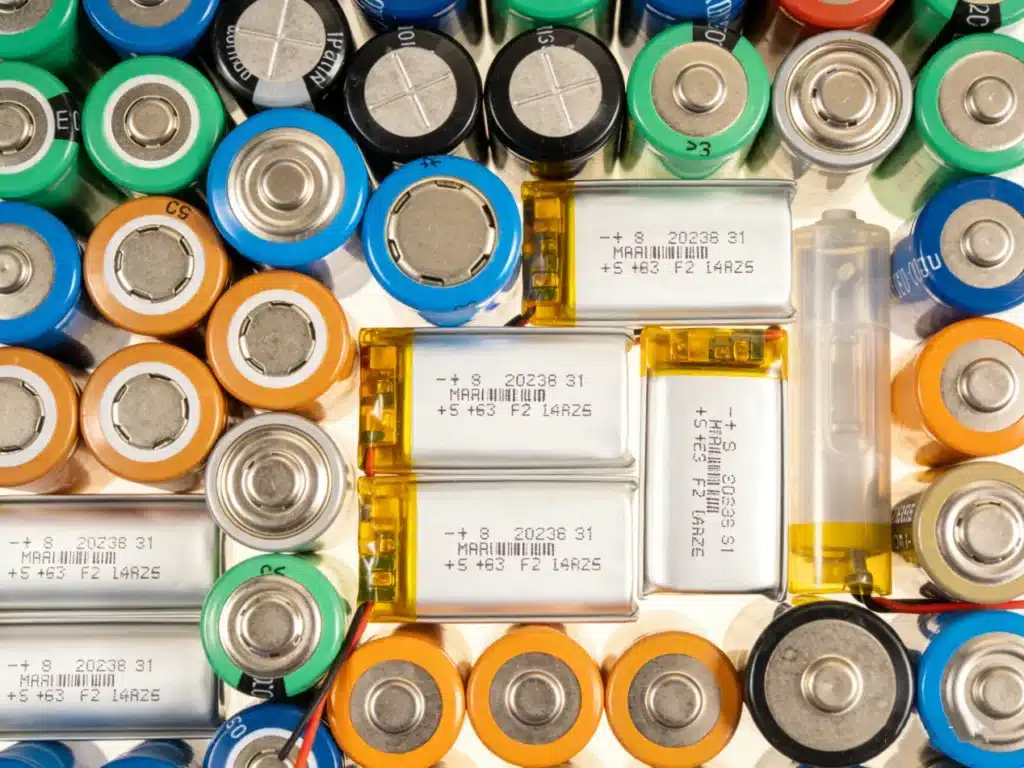
MAXIM machinery’s equipment is suitable for a wide range of battery types:
To be recycled battery types–Cell phone batteries, car power batteries, laptop batteries, all kinds of LIB battery, including NMC (Ni-Co-Mn), LFP (LiFePO4), NCA (Ni-Co-Al), LCO (LiCoO2), LMO (LiMn2O4), etc.
When selecting a supplier, enterprises should consider full-process capabilities over standalone machines. MAXIM machinery offers customized solutions designed according to material characteristics, plant layout, and capacity requirements.
Clients gain from MAXIM machinery's complete service package: "preliminary consultation - solution design - equipment production - installation and commissioning - personnel training - after-sales maintenance." MAXIM machinery builds on a solid background in international projects. The company offers quick support within 24 hours. This approach guarantees steady and effective results over time.
Proper lithium battery recycling cuts down environmental pollution. The process recovers valuable metals and uses those metals to create fresh batteries. MAXIM machinery provides a safe design, intelligent automation, and robust customization choices. These qualities enable businesses to put money into expandable recycling setups with assurance. Get in touch with us to create a tailored lithium battery recycling plan for your initiative.
A: Black mass refers to the fine powder leftover from crushing lithium batteries. This powder includes useful elements such as lithium, cobalt, nickel, and manganese, which processors turn into fresh metals ready for batteries.
A: MAXIM machinery's equipment processes NMC, LFP, NCA, LCO, and LMO batteries. The equipment also manages cylindrical cells like 18650/21700 and EV battery packs.
A: Battery discharge eliminates leftover power, which avoids fires or explosions during mechanical steps such as shredding or crushing.
A: Automation boosts output uniformity and cuts safety hazards for workers. It also decreases labor expenses while guaranteeing better material recovery rates.
Q: Does MAXIM Machinery offer international installation support?
A: Yes. MAXIM machinery provides full lifecycle services, including overseas project support, installation guidance, training, and 24-hour after-sales response.
Learn key challenges in aluminum scrap crushing and how advanced industrial crushers improve efficiency, reduce costs, and enhance recycling output.
