
Cathode and anode separation form a key step in lithium-ion battery recycling. This step affects how well companies recover materials and the quality of those materials. Good separation boosts recovery rates for precious battery materials. These materials include lithium, cobalt, nickel, and graphite. Separation also stops mixing between active materials. Such mixing harms the purity of outputs. Pure outputs work well for reuse in new battery production. Companies can then skip much raw material mining. This approach supports a circular economy.
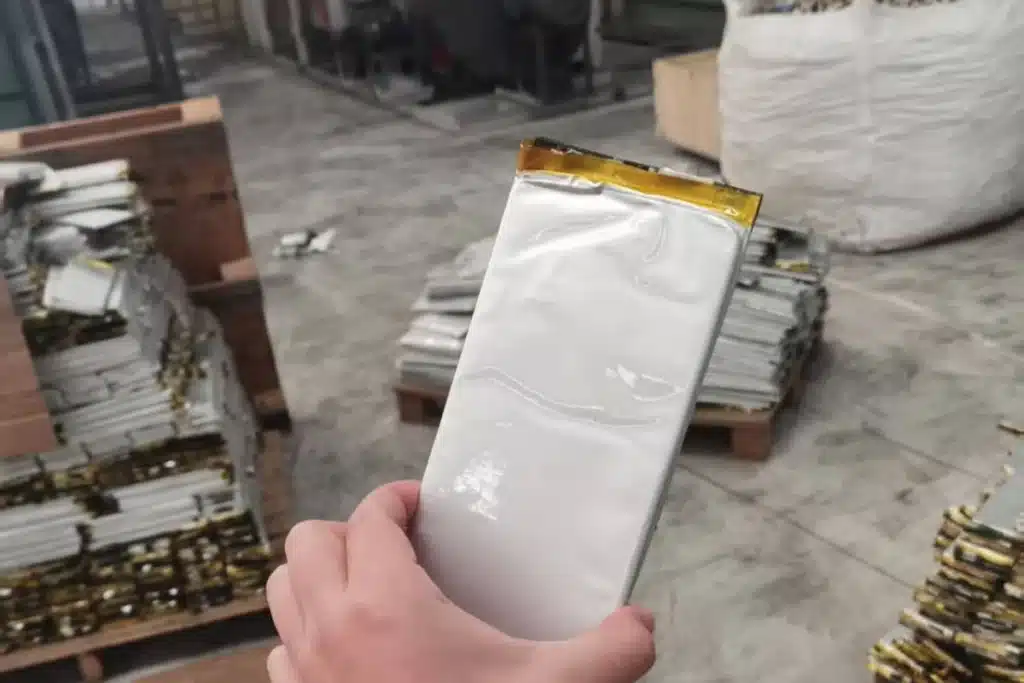
Lithium-ion battery electrodes include a number of vital materials. Cathodes often contain lithium compounds blended with certain metals. The metals consist of cobalt, nickel, or manganese. Selection relies on the specific battery chemistry. Anodes mainly use graphite. Some advanced cells use silicon-based materials. Workers coat these active materials onto metallic current collectors. Cathodes use aluminum foil for current collectors. Anodes use copper foil. Clean separation of these layers matters for later recovery. A li ion battery separator material sits between electrodes. This separator acts as a porous polymer film. The film blocks internal short circuits. At the same time, the film lets ions flow.
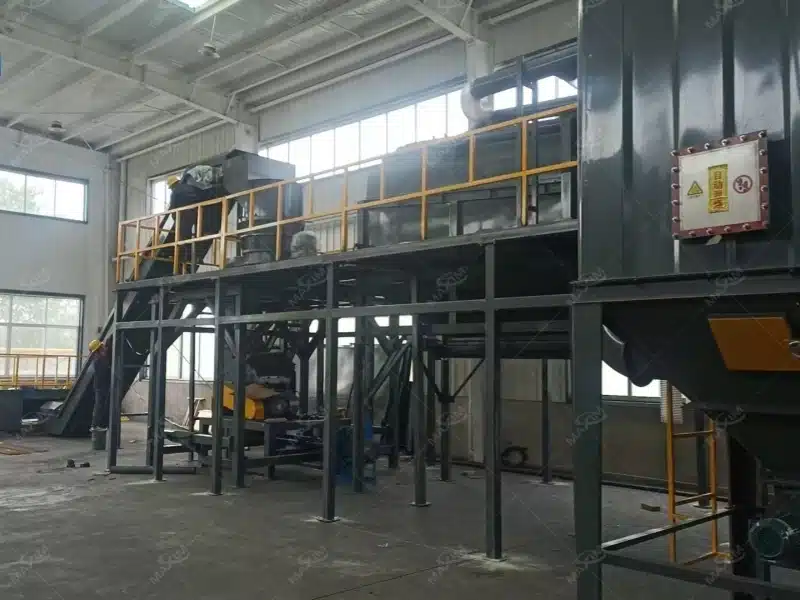
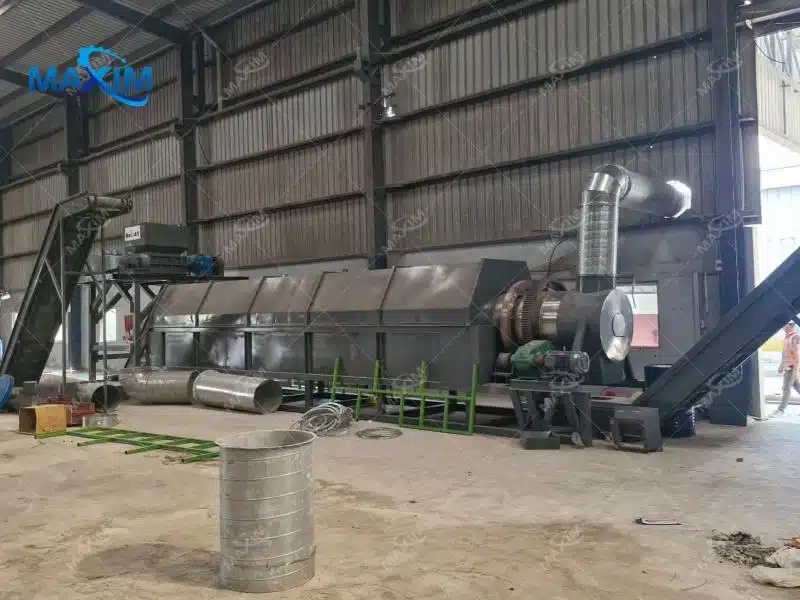
Lithium-ion battery electrode separation equipment focuses on separating cathode and anode materials from metallic current collectors. The equipment employs mechanical, thermal, or chemical techniques to dismantle used batteries. Mechanical shredding slices cells into tiny pieces, for example. Sieving and separation steps extract valuable components afterward. The main aim involves detaching active layers with little material loss. Safety stays a priority during processing. Our effective, smart, and eco-friendly equipment cuts costs for companies. This equipment also raises efficiency. In turn, the equipment aids green and sustainable growth.
Effective separation equipment needs strong automation. Automation cuts manual work and boosts worker safety. Precise control systems keep material integrity during extraction. Systems must also fit different lithium-ion battery chemistries. These chemistries cover ternary lithium and lithium iron phosphate types. Formats include cylindrical, prismatic, and pouch cells. The equipment has a PLC control system. This system allows remote monitoring and fault alerts. As a result, operation and maintenance costs drop.
The cathode-anode separation process starts with the safe discharge and dismantling of used lithium-ion batteries. This step removes the risks of short circuits or thermal runaway. Next, crushing turns batteries into small particles. This action helps isolate electrode layers and separator films. Techniques like shredding, sieving, flotation, or solvent-assisted processes create clean separation. Components include black mass, which mixes cathode and anode powders. Other components cover copper foil, aluminum foil, and separator films.
Several issues make cathode and anode separation tough. Active materials stick firmly to current collectors. Binders cause this strong adhesion. Precise mechanical or chemical treatment breaks the bonds. Batteries need proper discharge before processing. Without discharge, thermal events like fire or explosion pose big risks. Li ion battery separator material can break down under high heat or strong chemicals. This breakdown releases harmful gases. It also lowers the purity of recovered materials.
Henan MAXIM Machinery Equipment Co., Ltd. focuses on innovation, design, and production of self-developed equipment. We focus on "resource recycling." MAXIM machinery specializes in research, development, and manufacturing of eco-friendly recycling machinery. MAXIM machinery offers tailored recycling and processing solutions. These solutions serve sectors like lithium batteries, metals, and solid waste.
Our effective, smart, and eco-friendly machinery equipment lowers costs for companies. This equipment also improves efficiency. MAXIM machinery supplies high-capacity lithium battery electrode separation machines. These machines detach cathode-anode layers with a small loss and high purity. Systems work with black mass separation equipment. This integration pulls valuable metals from electrode powders. Key advantages include full closed-loop processing. The loop covers pre-shredding, crushing, and sorting. Processing meets environmental emission standards. Smart control limits manual work. The equipment fits various battery types.
MAXIM machinery offers complete lithium battery recycling line solutions. Solutions cover all stages from pre-treatment to purification. Setups adjust to plant scale and battery types. Systems handle small consumer cells or EV batteries. Tailoring matches capacity and material needs.
MAXIM machinery supplies copper and aluminum foil separation systems. These systems recover electrodes from black mass powders. Clean detachment remains the goal. Dust collection units join all processing lines. Units ensure environmental safety during crushing and sieving.
Choosing li ion battery separator material for recycling or remanufacturing requires care. The material must show thermal stability at working temperatures. These temperatures range from 60°C to 100°C. The material should also hold up against electrolyte solvents or chemical agents in recycling.
Key factors guide the evaluation of cathode and anode separation equipment. Throughput capacity must match recycling volume goals. Energy efficiency ratings matter too. Operational safety features help, such as explosion-proof designs. Ease of maintenance counts as well. We offer a full-service program. The program includes preliminary consultation, solution design, equipment production, installation and commissioning, personnel training, and after-sales maintenance.
A: Black mass means the fine powder mix from shredded lithium-ion batteries. This mix mainly holds cathode and anode materials. Valuable metals like lithium, cobalt, nickel, and graphite sit inside.
A: Special equipment handles copper-aluminum separation in battery recycling. Shredding, sieving, and eddy current separation technologies do the job. Copper foil comes from anodes. Aluminum foil comes from cathodes. These methods keep metal purity high.
A: A lithium battery electrode separation machine detaches active cathode/anode coatings from current collectors. Mechanical or chemical methods support this task. The machine aids efficient resource recovery.
A: Separating li ion battery separator material prevents contamination in the recovered black mass. This step avoids hazardous reactions in thermal or chemical processing.
A: Yes. MAXIM machinery works with various battery types. This includes ternary lithium and lithium iron phosphate. Capacity adjustments add flexibility.
Introduction The worldwide demand for small metal shredder machines continues to rise. Industries now pay close attention to effective scrap handling and reuse. Companies look for dependable places to buy a small metal shredder machine. These spots provide solid results and good value. Picking the proper vendor matters a lot. A top-notch small metal shredder for sale can excerpt …
