
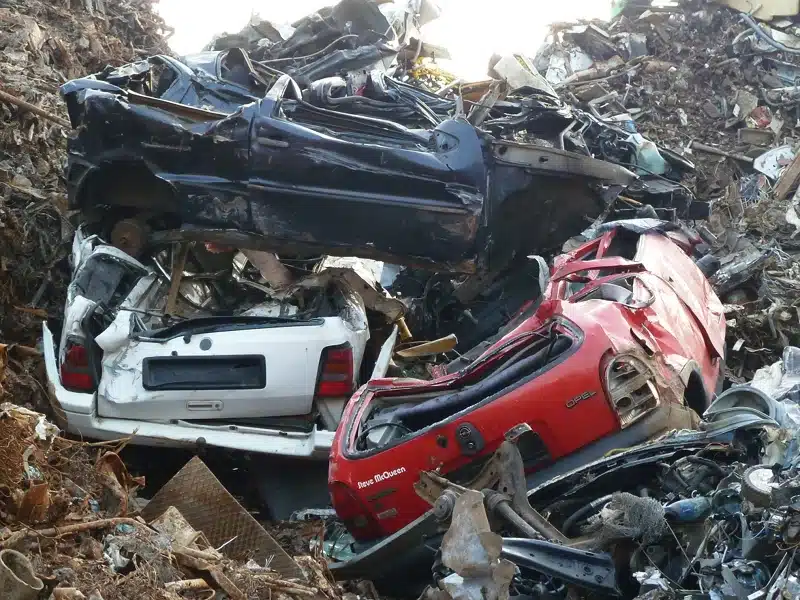
Aluminum scrap crushing plays an important part in current recycling setups. It changes thrown-away aluminum into usable raw materials for various manufacturing sectors. The worldwide need for aluminum continues to rise. Recyclers have to handle big amounts swiftly, and they must also maintain top-notch results. The main issues involve low crushing performance, quick equipment damage, and rising labor expenses. Such issues impact output levels and earnings in metal recycling activities.
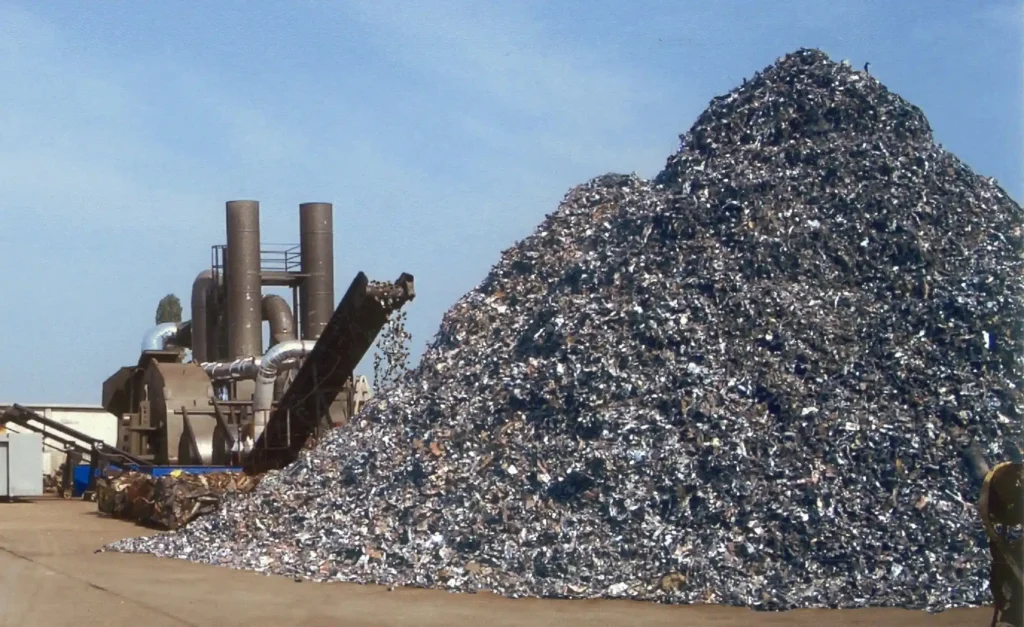
Recycling aluminum provides significant environmental and economic advantages. Producing aluminum from recycled scrap requires up to 95% less energy compared to refining it from bauxite ore. This method greatly reduces carbon emissions. It also preserves natural resources. Recycled aluminum maintains its physical properties indefinitely. That quality ensures consistent performance across numerous reuse cycles.
For manufacturers, recycled aluminum means lower costs for raw materials and a steady supply chain. Global aluminum prices may change, but the supply stays stable. MAXIM machinery concentrates on "resource recycling." The company works on research, development, and manufacturing of eco-friendly recycling machinery. MAXIM machinery offers tailored recycling and processing solutions for sectors like lithium batteries, metals, and solid waste. This approach guides MAXIM machinery’s work on sustainable metal recycling solutions. These solutions help businesses meet environmental rules and cut costs.
Aluminum scrap appears in many forms, such as beverage cans, extruded profiles, and automotive parts. Each form has different alloys, densities, and shapes. This variety can cause uneven crushing results if the equipment lacks proper setup or design for mixed materials. Uneven feed sizes raise stress on crusher parts. As a result, wear rates rise, and maintenance costs increase.
A big problem in aluminum scrap crushing involves contamination from coatings, plastics, rubber seals, or other non-metallic materials. These impurities slow down crusher efficiency. They block screens or wear down blades over time. Impurities also drop the purity of the output metal fraction. This issue calls for extra sorting steps, which raise operational costs.
Transportation costs and manual handling affect recycling economics in a big way. Poor logistics between collection points and processing plants slow down throughput. Fuel use goes up as well. Labor costs keep rising. These factors highlight the need for automation in crushing lines to stay competitive.
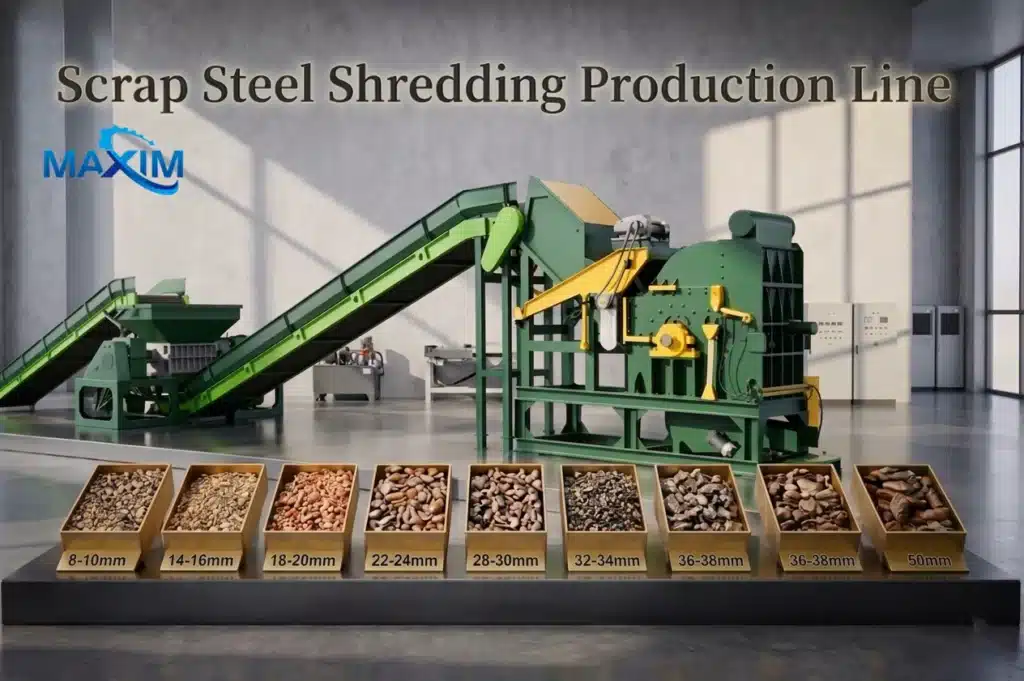
MAXIM machinery’s high-efficiency metal recycling shredder systems work well with many aluminum scrap types. Each crusher reaches a high crushing ratio. The output size stays uniform and fits downstream separation processes, such as eddy current sorting or smelting preparation. The machines manage materials like beverage cans, extrusion profiles, cast parts, and automotive scrap with ease.
Scrap Metal Recycling Production Line completes "crushing - impurity removal - sorting - forming" for metal waste, including scrap steel, aluminum alloy, and copper. MAXIM machinery builds magnetic separation technologies into the system design. This setup assures clean separation between metallic and non-metallic fractions. Recovery rates improve, and manual sorting needs drop.
Durability stands at the core of every customized shredder machine from MAXIM machinery. Core components, such as shredder blades and sorting systems, come from independent development by the company. Wear and impact resistance go beyond industry standards. This quality supports a long service life under steady heavy-duty operation in industrial settings.
The modular construction of the machines makes maintenance straightforward. Downtime drops during component replacement or inspection cycles. This feature helps keep the production flow without stops.
Automation marks a key feature in MAXIM machinery’s aluminum scrap crushing lines. Each system includes PLC-based control units. These units track operational parameters in real time, such as motor load, vibration levels, temperature sensors, and throughput rates. The equipment has a PLC control system. This system supports remote monitoring and fault warnings, which lower operation and maintenance costs. Automated adjustment mechanisms keep performance steady across different feed compositions. Human intervention drops to a minimum.
Every customer faces a different material composition. For this reason, MAXIM machinery stresses customized solutions. These solutions match specific production capacities, from small-scale recyclers at 1 ton per hour to large industrial facilities over 50 tons per hour. MAXIM machinery tailors the solutions to customer production capacity requirements, material characteristics, and site conditions. These solutions blend well with auxiliary systems, such as conveyors, magnetic separators, dust collectors, or full closed-loop recycling lines. Optimal plant layout efficiency follows.
Environmental compliance ranks high in modern recycling operations. The entire series of equipment follows national regulations, such as the "Law on the Prevention and Control of Environmental Pollution by Solid Waste" and the "Regulations on the Management of Renewable Resources Recycling." Third-party testing laboratories check emission indicators, including dust concentration levels. This process confirms adherence to strict environmental standards.
Safety features like overload protection devices and interlocked access panels protect operators during maintenance activities. These features also stop accidental operation under unsafe conditions. Energy-efficient motors cut power use without losing output capacity. Recyclers see lower operating expenses over time.
MAXIM machinery offers full life-cycle service support. This support covers consultation through after-sales assistance. The company provides a one-stop service program that includes "preliminary consultation - solution design - equipment production - installation and commissioning - personnel training - after-sales maintenance." This support assures stable long-term operation for all installed systems worldwide.
Selecting a suitable aluminum scrap crusher involves evaluating key aspects such as efficiency levels and the required per hour throughput rate. Durability expectations play a vital role, along with automation capabilities and environmental compliance measures. Integration flexibility with existing plant infrastructure matters greatly, just as cost-effectiveness over the lifecycle period does. Reliability under continuous operation conditions remains essential too.
MAXIM machinery supplies reliable and flexible solutions. These solutions cover each parameter in full. Through innovative engineering, advanced automation, durable construction materials, and customized configurations tailored to unique client requirements, businesses gain better productivity, stronger sustainability, and lower operational risk. Recyclers around the world should consider bespoke aluminum recycling systems. These systems deliver real value over the long term.
A: The machines suit multiple forms, including beverage cans, extruded profiles, automotive castings, and mixed alloy scraps. The output stays uniform and ready for further separation or melting.
A: Automated control systems watch load balance, adjust feed rates, prevent blockages, and optimize motor usage. Performance stays stable and consistent. Downtime falls.
A: Yes, all equipment complies with national environmental emission standards. Independent tests confirm secure and environmentally sound operation.
A: Certainly, each solution arrives tailored to production capacity, site space, and material type. Each solution fits smoothly into existing recycling lines.
A: Full support covers installation, commissioning, operator training, spare parts supply, and remote diagnostics. Support ensures ongoing and dependable system performance.
Learn key challenges in aluminum scrap crushing and how advanced industrial crushers improve efficiency, reduce costs, and enhance recycling output.
