
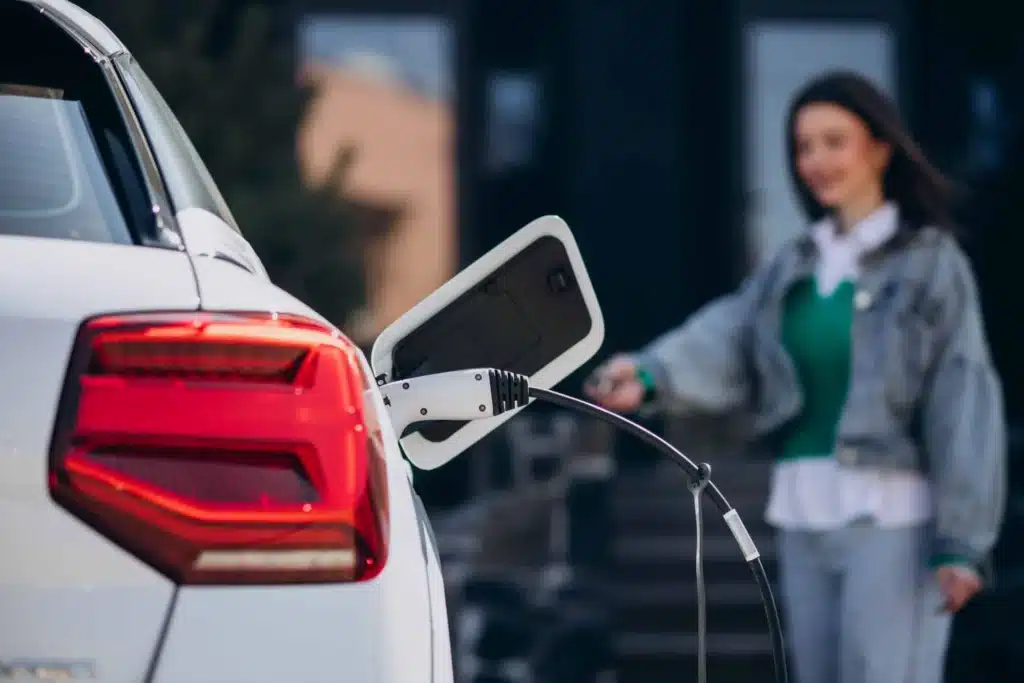
Electric vehicles (EVs) form a main element in sustainable transport. EV batteries consist mostly of lithium-ion types. End-of-life stages bring unique challenges. Awareness of electric car battery disposal matters greatly. The awareness shields the environment. Resource recovery benefits as well.
EV batteries stand apart from everyday household batteries in scale and structure. Hazardous elements like lithium, cobalt, and nickel fill EV batteries. Landfill placement risks toxic substance releases. Fire hazards develop, too. Valuable metals reside inside EV batteries. Suitable recycling approaches reclaim those metals. Electric car battery disposal demands firm regulations. Pollution avoidance follows from such measures. Resource conservation results similarly.
Incorrect handling releases heavy metals and toxic electrolytes from electric vehicle batteries. Pollutants seep into soil and water. Ecosystems suffer harm. Human health faces threats. Abrupt fires or explosions add further dangers. Residual energy in spent batteries triggers those events. Public safety requires managed EV battery disposal.
Electric car batteries average 8 to 15 years of service. Driving habits and weather factors shape the span. A capacity under 70-80% disqualifies electric car batteries from vehicle duty. Secondary functions persist before full recycling or disposal.
Recycling methods advance steadily. Methods address EV battery intricacies. Electric car battery recycling equipment improves material extraction.
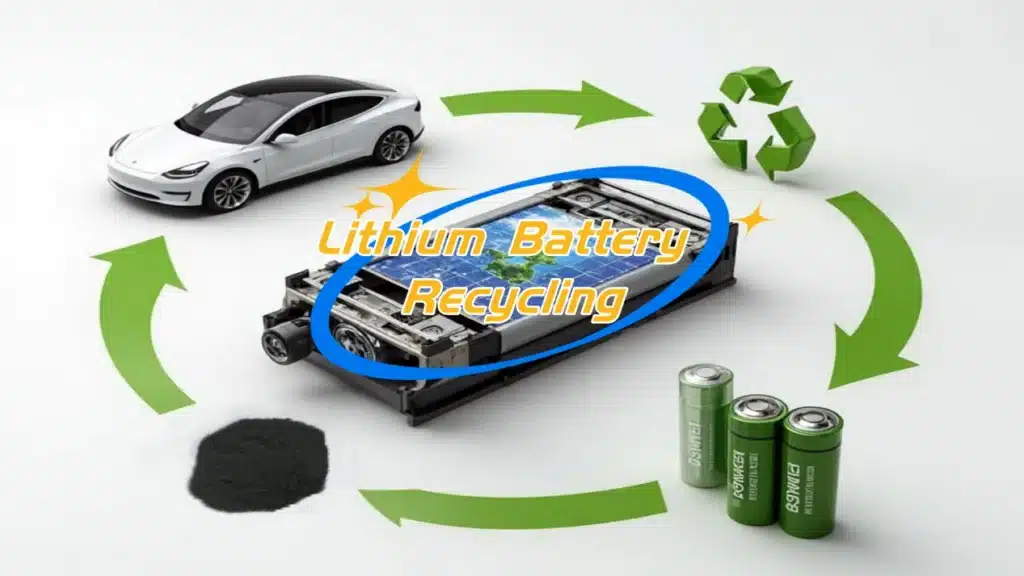
Mechanical breakdown and shredding mark the starting phase in electric car battery recycling. Battery assemblies are reduced to basic parts. Sorting simplifies accordingly. Henan MAXIM Machinery Equipment Co., Ltd. supplies a lithium battery recycling line. The line promotes smooth separation. Components like battery cells, electrode materials, and metals gain reuse value. MAXIM machinery delivers a total closed-loop cycle (Pre-shredding-crushing - sorting). Emission levels align with standards. Capacity shifts easily across battery varieties.
Thermal treatment heats battery components. Smelting pulls out metals, including cobalt, nickel, and copper. Metal retrieval succeeds through the technique. Energy demands run high. Emissions demand oversight. Compliance with environmental guidelines follows.
Hydrometallurgy applies chemical liquids. Liquids break down metals in crushed battery scraps. Targeted collection secures clean metals. Energy needs stay below smelting levels. Favor rises from strong lithium extraction. New battery creation relies on lithium.
Technical gains emerge. Various hurdles limit wide EV battery recycling adoption.
EV batteries show wide differences in chemistry (e.g., NMC vs LFP), design, and producer-specific arrangements. Uniform recycling grows difficult. Specific disassembly methods or chemical steps suit each variety.
Spent EV batteries hold remaining power. Mishandling sparks fires or bursts in transit or treatment. Secure packaging, oversight tools, and skilled workers cut those dangers.
Recycling plant construction carries steep costs. Recovered material prices shift often. EV battery disposal lacks profit absent state support or producer accountability schemes.
End-of-life EV batteries take one of several paths. This depends on their state and local rules.
Before complete recycling or disposal, numerous EV batteries shift to lighter storage tasks. Solar setups or reserve power units qualify. Service periods extend. Material reclamation postpones.
Pending batteries reside in dedicated sites. Fire controls and climate regulation feature prominently. Safety holds during storage intervals.
Suitable EV battery disposal draws multiple parties. Frameworks of regulation guide cooperation.
Vehicle producers run return initiatives. Customers submit spent batteries at outlets or repair sites. Secure transport is ensured. Collection centralizes for volume recycling.
MAXIM machinery focuses on research, development, and production of green recycling tools, including units designed for lithium-ion batteries in electric vehicles. Efficient, smart, and eco-conscious gear cuts expenses and raises output, positioning MAXIM machinery as a leader in ev battery recycling.
Producers drive system expansion. Consumers bear responsibilities in electric car battery disposal.
Check with your vehicle maker or local waste management group for certified drop-off points. These accept used EV batteries safely under regulatory compliance guidelines.
Ask if your dealership joins in maker take-back programs. Inquire about how they manage end-of-life batteries. Ensure they use certified recyclers like MAXIM-machinery-equipped facilities that meet environmental standards.
Governments around the world are setting stricter rules for EV battery disposal practices. This is due to rising amounts from growing EV use.
Numerous nations currently mandate that producers finance collection systems through Extended Producer Responsibility (EPR) laws. Moreover, the whole range of equipment adheres to country-specific rules like the "Law on the Prevention and Control of Environmental Pollution by Solid Waste". This approach guarantees regulatory adherence during the full recycling process.
The Basel Convention governs transboundary movements of hazardous waste, including lithium-ion batteries. Exporters must obtain prior consent from receiving countries before shipping used EV batteries abroad for processing or reuse purposes.
With the mission of "Enabling Environmental Protection with Machinery, Creating Value with Recycling," we will continue to deepen our efforts in the field of environmental recycling equipment by delivering tailored solutions that address real-world challenges in ev battery disposal.
Our lithium battery recycling line addresses the pain points of post-decommission lithium battery recycling, including difficulty in disassembly, pollution control issues, and material recovery inefficiencies.
Intelligent control reduces manual intervention, increasing safety while lowering labor costs.
Emission indicators (dust, noise, wastewater) are certified by third-party testing, making our solutions fully compliant with current environmental laws.
In addition to lithium-ion solutions, MAXIM machinery also provides scrap metal recycling production lines that achieve crushing, impurity removal, sorting, and forming. These lines integrate magnetic separation technologies ideal for recovering metal content from e-waste streams related to electric vehicle components. We provide a one-stop service program covering "preliminary consultation - solution design - equipment production - installation," ensuring long-term value creation across industries involved in sustainable mobility solutions.
A: You should return it through your vehicle manufacturer's take-back program or deliver it to a certified facility specializing in EV battery disposal, like those using MAXIM machinery equipment.
A: Yes! Many are repurposed for second-life uses, such as home energy storage, before being recycled completely when no longer viable.
A: In most jurisdictions, yes—it is considered hazardous waste requiring special handling under solid waste management laws like China’s “Law on the Prevention and Control of Environmental Pollution by Solid Waste.”
A: Lithium-ion EV batteries contain cobalt, nickel, copper, aluminum—and even lithium—all recoverable through mechanical processing or hydrometallurgical techniques provided by advanced systems like MAXIM machinery's closed-loop lines.
A: MAXIM machinery offers customized solutions based on production capacity requirements with independently developed core components designed for durability, supporting remote monitoring via PLC control systems—making us an industry leader in electric car battery disposal technology.
Discover how integrated lithium battery recycling equipment enhances plant safety, automation, metal recovery rates, and operational efficiency while supporting large-scale, eco-friendly battery recycling production lines.
