
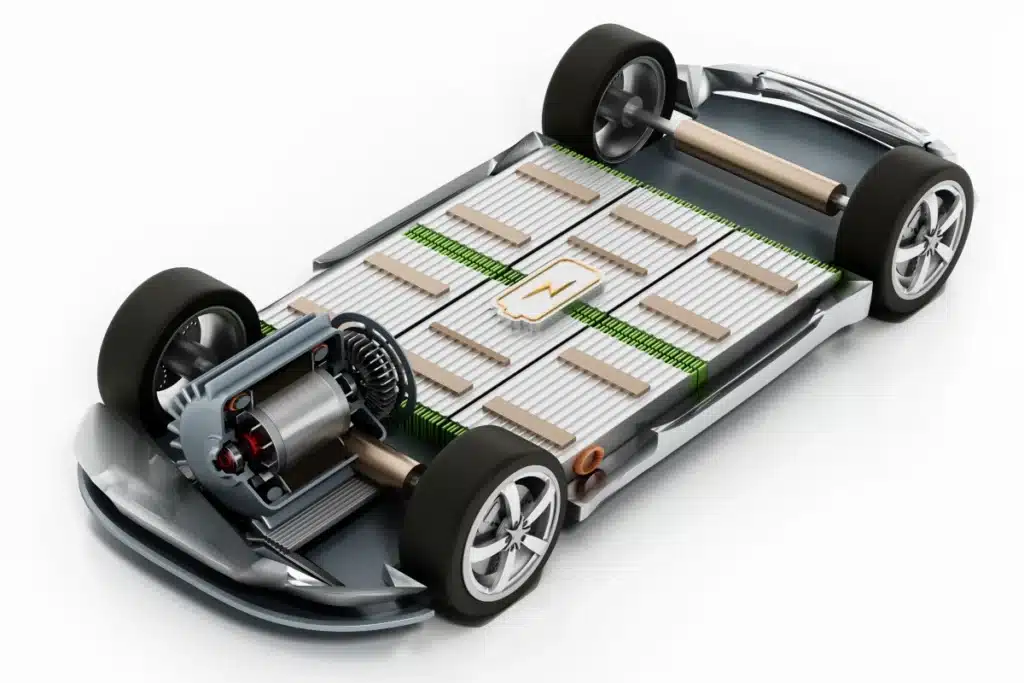
The recycling of batteries from electric vehicles (EVs) has grown from a duty to the environment into an essential business need for industry players. As more people buy EVs, the flow of old lithium-ion batteries will soon overload current waste systems and supplies of raw materials. For companies in manufacturing, metal recovery, and energy storage, this situation presents a problem and a major chance for change.
By the end of this decade, millions of EVs sold in recent years will reach the end of their useful life. This will create a large increase in used lithium-ion batteries. Without a strong setup for the recycling of batteries from electric vehicles, this increase will cause serious harm to the environment and interrupt the supply of resources.
Putting off the building of large-scale recycling systems leaves industries open to higher fines from rules and duties for harm to the environment. In regions where Extended Producer Responsibility (EPR) takes effect, not complying with disposal guidelines often leads to substantial fines. Moreover, firms investing in battery recycling processes sooner obtain vital resources such as lithium, cobalt, and nickel. This action creates possible shortages for companies that fall behind.
Active plans for recycling lithium-ion batteries from electric vehicles allow industry players to create fresh sources of income from reused materials. These plans also cut reliance on unstable markets for raw materials. As a result, companies build lasting strength and gain an advantage over rivals in the battery supply network.
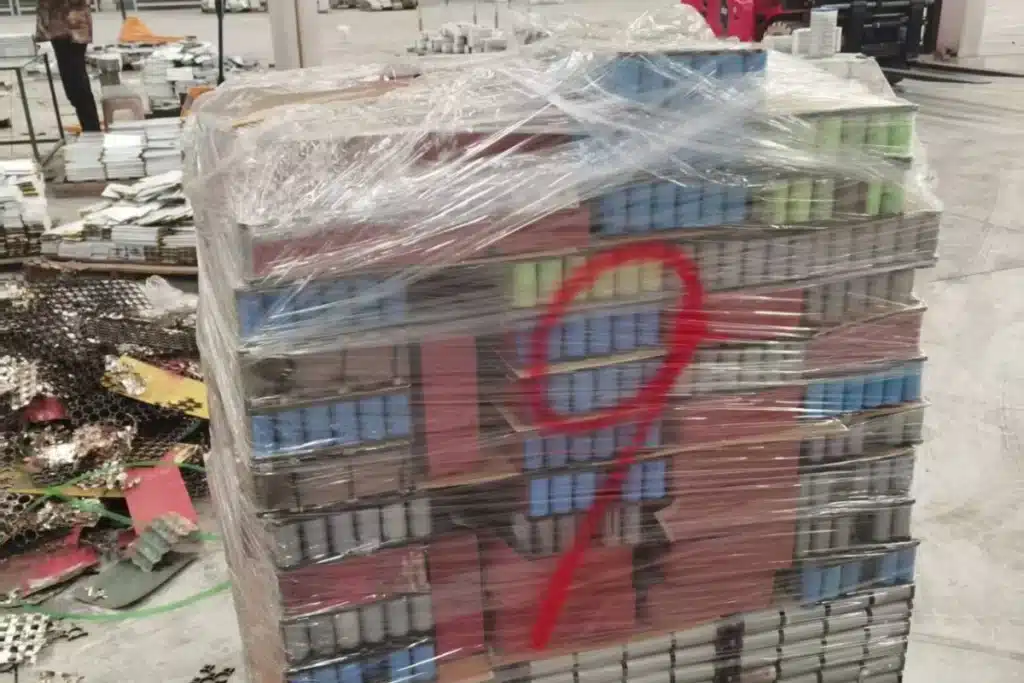
Governments worldwide strengthen EPR systems and require programs for taking back batteries. These rules that must be followed force makers and recyclers to spend on systems for handling end-of-life batteries. Companies face the risk of breaking rules if they do not act.
As supplies of main battery metals grow tighter, prices swing more. Systems for closed-loop recycling take materials from old batteries and turn them into new ones. These systems help keep supply chains steady and aid goals for a circular economy.
Buyers now want products with full sustainable life cycles. At the same time, strong Environmental, Social, and Governance (ESG) results affect choices by investors and buyers. Industries that add the recycling of batteries from electric vehicles to their work gain a better reputation.
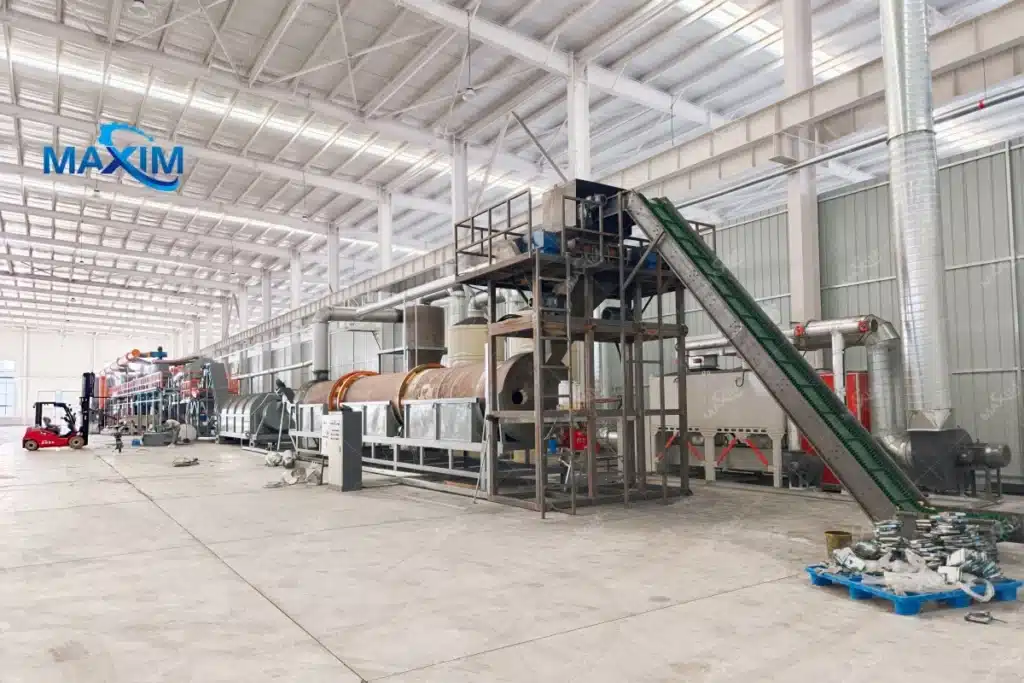
Disassembly with mechanical or partly automatic tools ensures safety and speed in the first steps of processing. Tools for shredding and crushing play a key role in readying battery parts for later recovery.
MAXIM machinery’s lithium battery recycling line uses a complete closed-loop method that includes pre-shredding, crushing, and sorting. This method allows quick separation and reuse of useful parts like battery cells, electrode materials, and metals.
Hydrometallurgy uses solvents for careful extraction. This approach gives high rates of recovery with fewer emissions. It works best for getting lithium and cobalt from even types like NMC or LCO.
Pyrometallurgy handles mixed battery flows better but uses more energy. This method stays useful for big operations where speed matters most.
Direct recycling methods keep cathode crystal structures intact. These methods cut down on steps and energy needs. The methods work best with standard types like LFP or NMC.
Using modular pack designs makes disassembly easier. This change lowers the cost of disposing of batteries from electric vehicles. Standard sizes let recyclers grow their work with more reliability.
Closed-loop systems return recycled materials to the production of new batteries. Creating such systems requires collaboration between OEMs, recyclers, and logistics companies.MAXIM machinery offers customized recycling lines suitable for various battery types, such as ternary lithium and lithium iron phosphate (LFP). These lines ensure adaptability in creating such circular systems.
Knowing differences in EPR laws by region proves crucial. Taking advantage of local aids like subsidies or tax cuts can boost returns on spending for recycling setups.
Digital records built into battery management systems track details like chemistry, usage, and ownership past. This data helps recyclers plan processing steps before handling the batteries physically.
Platforms based on AI predict amounts of end-of-life batteries from trends in EV use. These platforms also improve transport plans to lower costs in reverse logistics.
Agreements for shared duties spread money and work risks across the network. Platforms for sharing data build openness and raise efficiency for the whole system.
Models with deposits and refunds push users to return old batteries to set spots. Collection points run by stores, backed by digital notices, raise return rates in effective ways.
Thermal runaway poses a clear threat during the storage and movement of damaged EV batteries. Special packaging rules and skilled workers prove vital to follow hazardous material standards.
A shortage of standard designs in batteries makes disassembly harder and sorting more complex. The wide use of modular setups in the industry would ease recycling processes a lot.
MAXIM machinery’s scrap metal shredder handles tough metal parts from EV battery packs well. This shredder boosts output while keeping good accuracy in separation.
The shredder supplies steady input for later recovery systems. It does this by adding magnetic separation and eddy current technology.
• Industrial Crusher Systems – Reduce large battery components into manageable fractions.
• Automated Sorting Systems – Sensor-based separation of ferrous, non-ferrous, and valuable metals.
• Dust Collection Units – Maintain air quality and operational safety.
• Custom Material Handling Solutions – Conveyors, feeders, and storage systems tailored to existing lines.
MAXIM machinery also offers customized solutions tailored to site conditions, capacity requirements, and material types.
One way to look at it: pulling lithium-ion batteries from EVs isn’t only about meeting green standards. Behind that act sits access to essential materials made safer, processes running smoother, progress in sustainable economies powered by electricity gaining ground. Though small on paper, each reused cell adds weight to future-proofed systems. What seems minor actually ties into broader stability when supply meets demand across energy networks. With each collection piling up potential long after the first use ends. Not by choice alone does this cycle keep momentum alive beyond initial drive. A machine from Henan MAXIM machinery is shaping the recycling answers fit specific industry changes, all guided by planet demands shifting over time.
A: Mechanical pre-treatment followed by hydrometallurgical processing stands out as a strong choice right now. This method works well because it produces fewer emissions and achieves a solid recovery rate for key materials such as lithium and cobalt.
A: MAXIM machinery delivers a complete lineup of tailored recycling options. These options include shredders, crushers, sorting systems, dust collectors, and material handling equipment. All pieces suit lithium-ion batteries perfectly.
A: MAXIM machinery’s equipment handles NMC, LFP, LCO, NCA, LMO, and LNMO chemistries. These chemistries appear in different shapes, including cylindrical (18650/32650), prismatic, pouch cells, and scrap car power batteries.
A: Yes, numerous areas provide subsidies, tax breaks, or grant programs. Such measures encourage spending on recycling lithium-ion batteries from electric vehicles. These fall under EPR policies.
A: The process starts with gathering used EV batteries. Next comes pulling out valuable materials using steps like crushing and hydrometallurgy. After that, those materials go back into making fresh batteries. Overall, this setup builds a lasting cycle for battery materials.
Explore EV battery recycling technologies, regulations and closed-loop solutions for industrial stakeholders.
