
Electric vehicles (EVs) mark a major advance in the worldwide push to cut transportation emissions. EVs offer a clear path to lower tailpipe emissions a lot. Climate neutrality comes closer with this path. This green shift hides a growing problem: handling millions of lithium batteries after their useful life ends. The quick growth of the EV market creates a battery waste issue without planning.
Used batteries risk changing from climate help into toxic environmental dangers without proper end-of-life care. The move from a basic linear "take-make-dispose" model to a strong circular battery economy proves an urgent environmental need. Electric mobility needs a sustainable future. Advanced recycling setup supports this future. Spent batteries change from problems into useful industrial materials through the setup. Henan MAXIM Machinery Equipment Co., Ltd. leads this shift. Experienced application engineers form the team at MAXIM machinery, and professional designers join the team. Technicians join too. The team commits to customer value across the product lifecycle.
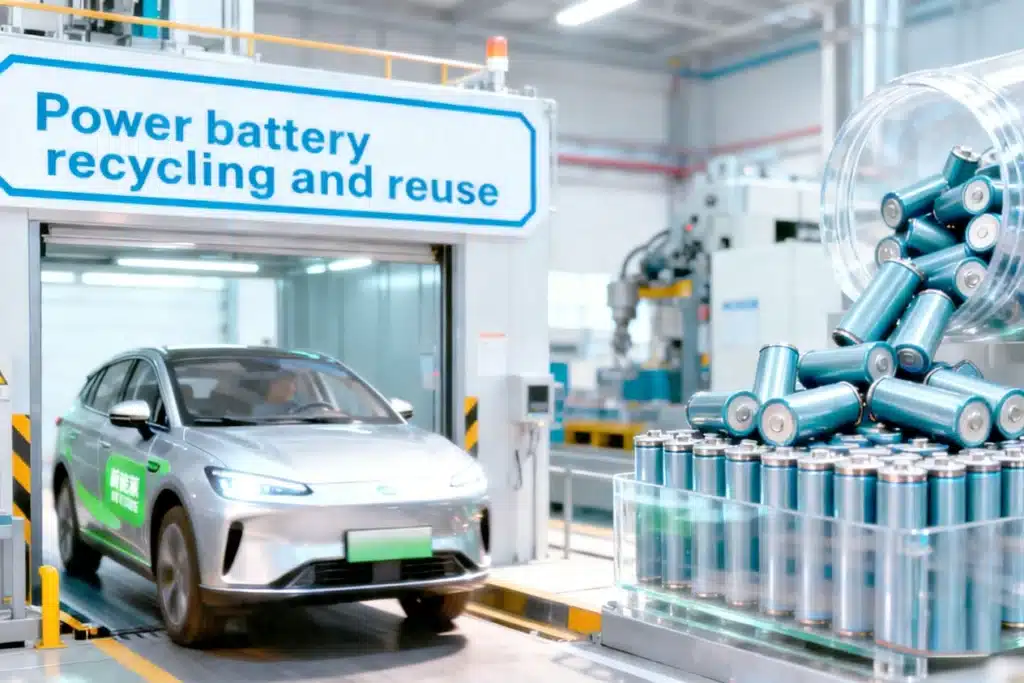
Failing to recycle EV batteries brings harsh results. Throwing spent lithium-ion batteries into landfills proves risky. Hazardous electrolytes fill the batteries. Heavy metals fill them, too. These substances leak into soil and groundwater as time passes. Local ecosystems suffer contamination from the leaks. MAXIM machinery tackles these key issues.. Recycling difficulty stands as one issue. High pollution levels stand as another. Resource waste stands as the third.
Chemical contamination extends past the main concern. Improper storage adds a clear fire risk. Disposal adds the risk too. Lithium batteries face thermal runaway if crushed. Unregulated handling causes thermal runaway as well. Safety worries push for professional recycling sites. Industrial-grade facilities meet the need. Improper disposal wastes key resources. Valuable metals like lithium, cobalt, nickel, and manganese prove limited.. The green energy shift needs these metals. Landfills take these materials without recovery. Virgin mining dependence grows without recovery. Virgin mining harms the environment. Urban mining recovers these elements from end-of-life products.. Urban mining cuts emissions. The global supply chain gains steadiness from urban mining. Sustainable development gains support from urban mining.
Modern battery recycling facilities serve as planned systems. Toxins neutralize in the systems. Material recovery reaches top levels in the systems. MAXIM machinery focuses on research.. Development joins the focus. Manufacturing of eco-friendly recycling machinery joins too. The lithium battery recycling line separates components well.. Valuable parts reuse through the line. Battery cells count as one part. Electrode materials count as another. Metals count as the third.
MAXIM machinery creates the "Pre-shredding—Crushing—Sorting" workflow.. The process forms a full closed-loop. Environmental emission standards meet through the process. Automation defines the process.. Intelligence also defines it. Hazardous components handle safely through the process. Manual work drops with the process. Mechanical methods reclaim materials. Energy use drops a lot compared to primary ore extraction. Energy use reduction cuts the carbon footprint of the battery lifecycle.. Industrial production matches green development goals through the cut.
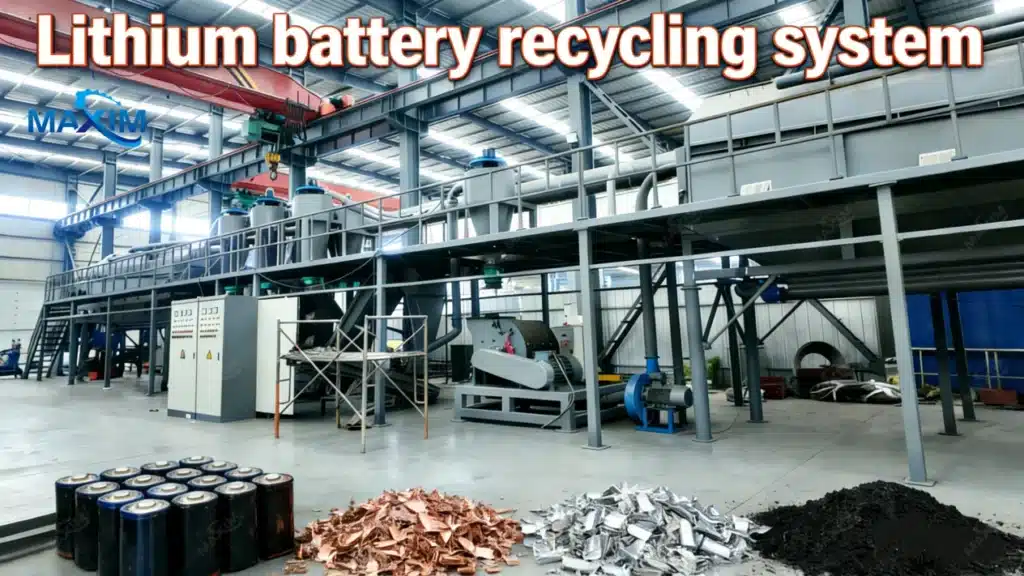
Battery chemistries create technical hurdles in recycling. Complexity adds to the task. Ternary lithium batteries need special methods.. Lithium iron phosphate batteries need special methods too. High recovery rates demand these approaches. MAXIM machinery equipment adapts to various battery types.. Capacity adjustments stay flexible with the equipment.
Closed-Loop Integration forms the main focus. Closed-Loop Integration. MAXIM machinery develops high-capacity shredders.. Sorting systems develop independently too. Shredder blades count as core components. Wear resistance tops industry standards for the blades. Impact resistance tops standards too. The mechanical process creates quality outputs. Manufacturers use the outputs as key inputs. Scrap metal recycling lines reach high purity.. Magnetic separation integrates into the lines. Eddy current separation integrates too. Metals separate from non-metallic impurities well. Strategic materials stay in the economic loop longer.. Efficiency rises through this stay. The circular economy grows through this stay.
Battery disassembly mastery builds the base for the EV ecosystem. Material recovery mastery builds the base too. The full ecosystem gains from this base. Spent batteries turn into high-purity raw materials. MAXIM machinery supports new energy infrastructure. Recycled components build the infrastructure. A future with recycled components takes shape. The mission at MAXIM machinery reads "Enabling Environmental Protection with Machinery, Creating Value with Recycling"..
The "Resource Gap" hits the global market head-on. EV battery demand passes mined mineral supply. Localized recovery turns into a key strategy. MAXIM machinery targets electronic waste too. Circuit boards count as one waste type. Home appliances count as another. Precious metal loss challenges the waste. Toxic contamination challenges it, too. Precious metals recover precisely from the waste.. Gold counts as one metal. Silver counts as another. Copper and palladium join the list. Hazardous substances avoid environmental harm. Lead counts as one substance. Mercury and cadmium count as others. Recycling beats destructive traditional mining.. Industries gain clean production cycles. Economic growth supports the cycles. Environmental protection supports the cycles too.
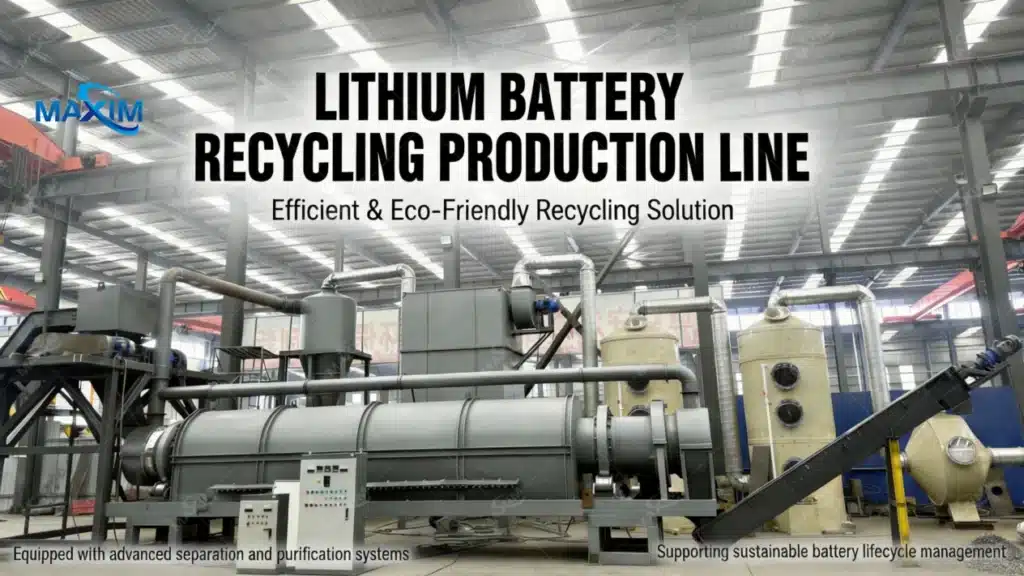
MAXIM machinery supplies tailored solutions.. Commercial clients get the tailoring to customers’ needs. Municipal clients get the tailoring too.
Customization Capabilities: Customer capacity requirements shape production lines.. Material characteristics shape the lines too. Site conditions shape them as well. Waste avoids through the tailoring.
Technical Strength: Independent development covers core components.. Shredder blades gain strong durability. Sorting systems gain strong durability too.
Intelligent Control: PLC control systems equip the equipment.. Remote monitoring works through the systems. Fault warnings work too. Maintenance costs drop with the setup.
MAXIM machinery technology feeds high-purity materials to the green energy supply chain. Safety standards stay strict with the technology.
Premium Metal Recovery: Metal recycling lines hit high purity.. Smelting standards meet for front-end raw materials.
Environmental Standards: Equipment series follows regulations.. The "Law on the Prevention and Control of Environmental Pollution by Solid Waste" counts as one regulation.
Third-Party Certification: Third-party testing certifies emission indicators.. Dust counts as one indicator. Noise counts as another. Wastewater counts as the third.
Full-Life Cycle Service: One-stop service program covers consultation.. Design joins the coverage. Production joins too. Installation and personnel training complete the program.
After-Sales Support: After-sales response happens within 24 hours.. Stable production line operation follows the response.
Comprehensive lifecycle planning starts true EV sustainability. MAXIM machinery commits to research.. Development commits too. Manufacturing of eco-friendly recycling machinery cuts costs. Efficiency rises with the machinery. Customized recycling solutions come from MAXIM machinery. Processing solutions join the custom work. Green development grows through the solutions. Sustainable development grows too.
Innovation commitment holds at MAXIM machinery. Professional engineering joins the commitment. Circular mobility turns real for partners through the work. "Dual carbon" goals advance worldwide.. High-efficiency recycling shifts the focus. Intelligent recycling joins the shift. The green revolution succeeds through these changes. MAXIM machinery serves as the partner for resource recycling.. A greener planet follows from the system.
A: Recycling plants process the batteries. Valuable materials like lithium, cobalt, and copper recover through mechanical shredding. Chemical separation aids the recovery. New batteries use the materials again.
A: Production line layout receives tailoring from MAXIM machinery. Equipment parameters adjust to client needs. Specific capacity requirements guide the changes. Site constraints influence the setup. Maximum efficiency results from these steps.
A: Shredding and sorting produce the high-value powder. Critical cathode and anode materials fill the powder. Lithium, Nickel, and Cobalt form these materials. Battery manufacturing requires the Black Mass.
A: The entire series follows solid waste pollution laws. Dust collection appears in all systems. Noise control integrates fully. Independent third-party testing certifies the performance.
A: Used batteries yield metals with much lower energy use than virgin ore mining. Ecological damage from traditional mining methods gets avoided. Environmental and economic sustainability improves with recycling.
The shift to electric vehicles and renewable energy storage has sharply boosted demand for lithium-ion batteries. The use of lithium-ion batteries continues to grow rapidly across multiple industries. So, managing old batteries turns into a key ecological and industrial issue. Lithium battery recycling technology lets useful metals like lithium, cobalt, nickel, copper, and aluminum go excerpt …
