
Electric vehicle adoption increases rapidly worldwide. Consequently, Tesla battery recycling becomes a crucial concern for EV makers, recyclers, and environmentally aware businesses. The Tesla battery recycling process starts with end-of-life pickup. It ends with material extraction. Understanding this process remains essential for establishing cost-effective and environmentally compliant recycling operations. This guide explains the recycling of Tesla EV batteries. The guide describes the technologies currently in use. The guide identifies the companies involved in the recycling network. The guide further describes how recovered lithium, nickel, and cobalt get reused in producing new batteries.
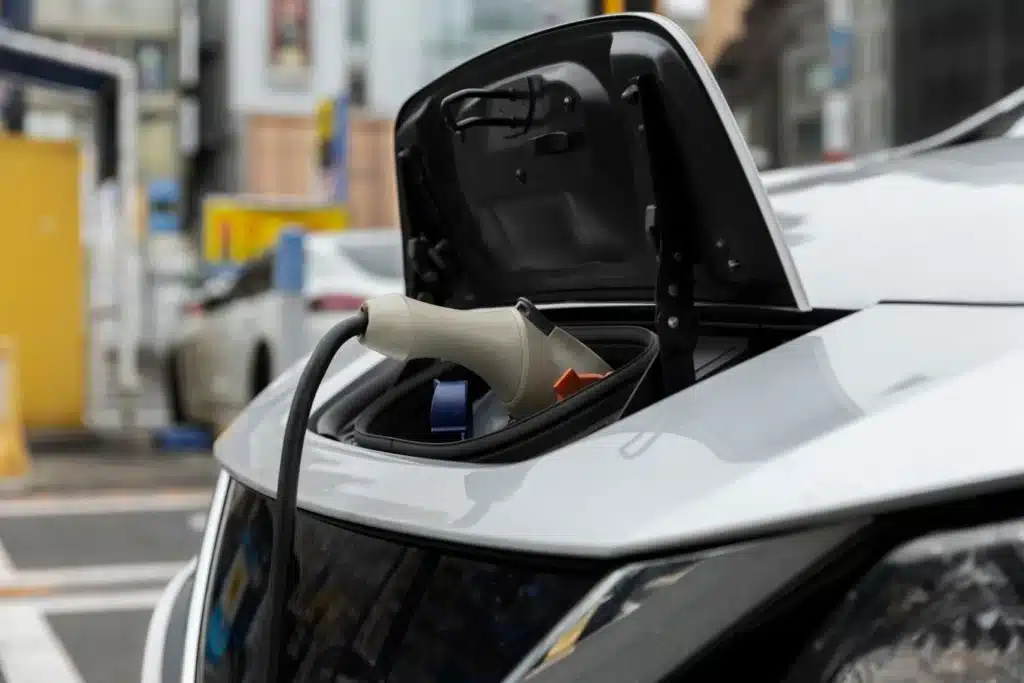
According to the International Energy Agency (IEA), worldwide need for lithium-ion batteries should rise over seven times by 2035. Electric vehicles mainly fuel this growth. Organizations such as Redwood Materials state that up to 95% of key battery metals—including lithium, nickel, and cobalt—can be recovered through modern recycling methods.From an operational viewpoint, large-scale Tesla battery recycling demands more than simple disassembly. Industry deployment experience shows that recycling facilities need to handle battery chemistry differences. Facilities also require measures for fire-risk reduction. Plus, facilities must ensure production capacity growth.
Tesla’s quick expansion in world markets has caused a rise in old EV batteries. As older models hit their end-of-life stage, recycling turns vital to handle this flow. Each Tesla battery pack holds large amounts of metals that can be recovered. These are key to making new EV batteries. Good recycling methods let these materials go back into the production loop. This attains a more lasting EV system.

Once a Tesla battery hits the end of its working life—either from capacity drop or harm—it gets taken out of the car. It is gathered via approved paths. Special shipping is used to move these high-voltage items safely to recycling sites. This ensures they follow rules for risky materials.
When it reaches a recycling center, each battery gets a first check. Workers judge if it can be fixed for second use or needs a full breakdown. Batteries then get grouped by chemistry type (e.g., NMC or LFP) and state before going into the right recycling path.
Battery recycling firms use both machine shredding and chemical handling to break down Tesla battery packs. The process often starts with taking apart. Then shredding into smaller parts follows. These bits then face hydrometallurgical or pyrometallurgical treatments to pull out valuable materials.
1. Battery Disassembly
2. Mechanical Shredding
3. Material Separation
4. Chemical Extraction
For recycling operators evaluating Tesla battery recycling solutions, equipment selection is a critical decision. Factors such as automation level, chemistry compatibility, safety controls, and customization flexibility directly affect operating costs and long-term ROI.
MAXIM machinery’s efficient, intelligent, and environmentally friendly equipment helps companies reduce costs and increase efficiency, promoting green and sustainable development.
Modern separation tech is applied to split key elements like lithium, nickel, cobalt, copper, and aluminum from the shredded stuff. The Lithium Battery Recycling Line allows good separation and reuse of resources for valuable parts like battery cells, electrode materials, and metals. This makes sure high-purity materials can return to the supply chain for new battery making.
Due to the flammable trait of lithium-ion batteries, safety is key during breakdown and handling. Sites use strict fire stop systems, heat control rules, and auto handling setups to cut risks in operations.
Tesla works with various experts who deal with recycling around the world. These have skills in dealing with high-energy lithium-ion batteries. They include companies running special EV battery recycling lines that can handle thousands of tons each year.
Tesla has teamed up with firms like Redwood Materials in North America for closed-loop recycling answers. These recover up to 95% of the main metals from used batteries. Besides outside teams, Tesla also plans to build its own skills for battery material recovery.
Auto systems are more and more used for breaking down complex battery modules with exactness. This cuts the chance of human contact with dangerous parts. It not only boosts safety, It also raises speed and correctness in material recovery.
The equipment is equipped with a PLC control system, supporting remote monitoring and fault warnings, reducing operation and maintenance costs.
Recycling lines include modern filter units for air pollution control. They also have liquid pull-out systems for chemical treatment steps. Full closed-loop processing (Pre-shredding-crushing - sorting) that meets environmental emission standards ensures compliance with national regulations while maximizing resource recovery rates.
Recovered materials face strict quality checks before getting approved for reuse in new EV batteries. Purity levels must hit tough industry norms to ensure steady performance in next-gen cells.
Tesla pushes for circular supply chains where recycled content gets mixed back into making processes. This way lowers environmental harm. It also locks in long-term access to vital raw materials like cobalt and lithium.
Tesla’s high-level battery designs—while tuned for performance—bring issues in taking apart due to closely packed cells and a unique setup. Distinguishing various chemistries adds more trouble to separation processes at big scale.
While possible in tech terms, large-scale car battery recycling from Tesla remains cost-heavy. This is due to work needs, energy use, rule-following costs, and changing tech demands. Tailored answers are key to better running efficiency across varied site types.
Customized according to customer production capacity requirements, material characteristics, and site conditions, MAXIM machinery offers tailored approaches that avoid one-size-fits-all waste management strategies.
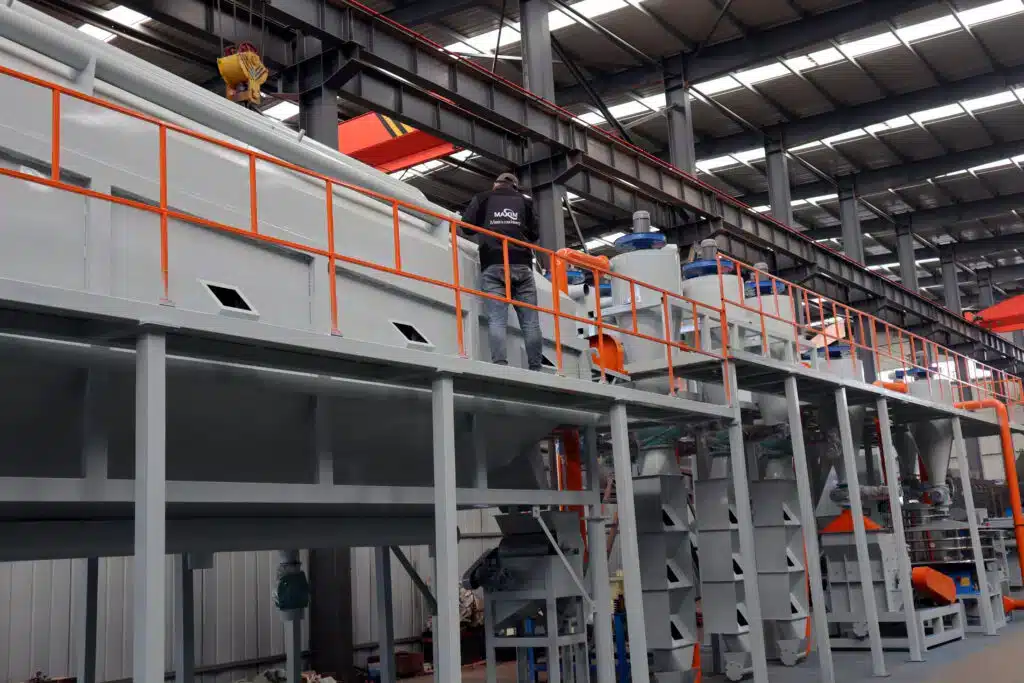
Henan MAXIM Machinery Equipment Co., Ltd. is dedicated to innovation, design, and production of independently designed and developed equipment. Specializing in resource recovery technologies—including customized EV battery recycling lines—MAXIM machinery supports green transformation across industries by offering sustainable solutions tailored specifically for lithium-ion battery decommissioning challenges.
Focusing on "resource recycling," we specialize in the research, development, and manufacturing of environmentally friendly recycling machinery, providing complete solutions from consultation through after-sales service.
MAXIM machinery’s core product—the Lithium Battery Recycling Line—is engineered with advanced features:
These features make it ideal for customized EV battery recycling applications where precision recovery is required without compromising environmental safety standards.
Yes. In addition to MAXIM machinery lithium battery line:
Henan MAXIM Machinery Equipment Co., Ltd. specializes in the design and production of tailored lithium-ion battery recycling systems. These solutions support efficient EV battery recycling. At the same time, the solutions ensure environmental standards and workplace security.For evaluating various Tesla battery recycling methods or for developing an expandable EV battery recycling plant, ask for a technical summary. Or ask for a tailored recycling line review. Such resources help assess system efficiency.
A: It is removed from service either through dealerships or certified centers, where it's evaluated for refurbishment or sent directly into car battery recycling from Tesla via specialized facilities like those supported by MAXIM machinery's customized solutions.
A: While full recovery is challenging due to complex chemistries, advanced systems like those offered by MAXIM machinery can reclaim up to 95%+ of valuable metals using mechanical sorting combined with chemical extraction methods.
A: Costs vary depending on logistics, labor intensity, and local regulations—but using automated customized EV battery recycling equipment from MAXIM machinery significantly reduces operational expenses over time.
A: Yes—demand is growing quickly because natural resources remain scarce. Recycled lithium, nickel, and cobalt provide vital inputs for fresh cell manufacturing pipelines. These pipelines aid circular economies. Companies like MAXIM machinery push such economies.
A: Depending on the configuration chosen during the customization phase,the MAXIM machinery production line can handle 10–50 tons/hour, making it suitable even for high-volume Tesla battery recycling company operations seeking scalable throughput rates.
Discover how integrated lithium battery recycling equipment enhances plant safety, automation, metal recovery rates, and operational efficiency while supporting large-scale, eco-friendly battery recycling production lines.
