
Lithium iron phosphate (LFP) batteries get used more in electric vehicles, energy storage systems, and buyer gadgets. However, wrong battery disposal adds to nature harm and resource drop. Harmful items like lithium and heavy metals can seep into dirt and water setups. They bring Eco dangers. In money terms, not recycling leads to loss of precious materials. These could get reused in making.
Henan MAXIM Machinery Equipment Co., Ltd. is dedicated to innovation, design, and production of independently designed and developed equipment. Our customized battery recycling equipment is designed specifically to address the environmental challenges of LFP battery disposal by enabling safe extraction and reuse of core materials.
As the world call for electric move and green energy rises, so does the need for lasting battery making. Recycling LFP batteries helps cut reliance on fresh raw items like lithium and iron ore. This not only saves natural resources. It also backs a tougher supply chain.
What Materials Can Be Recovered from LFP Batteries?
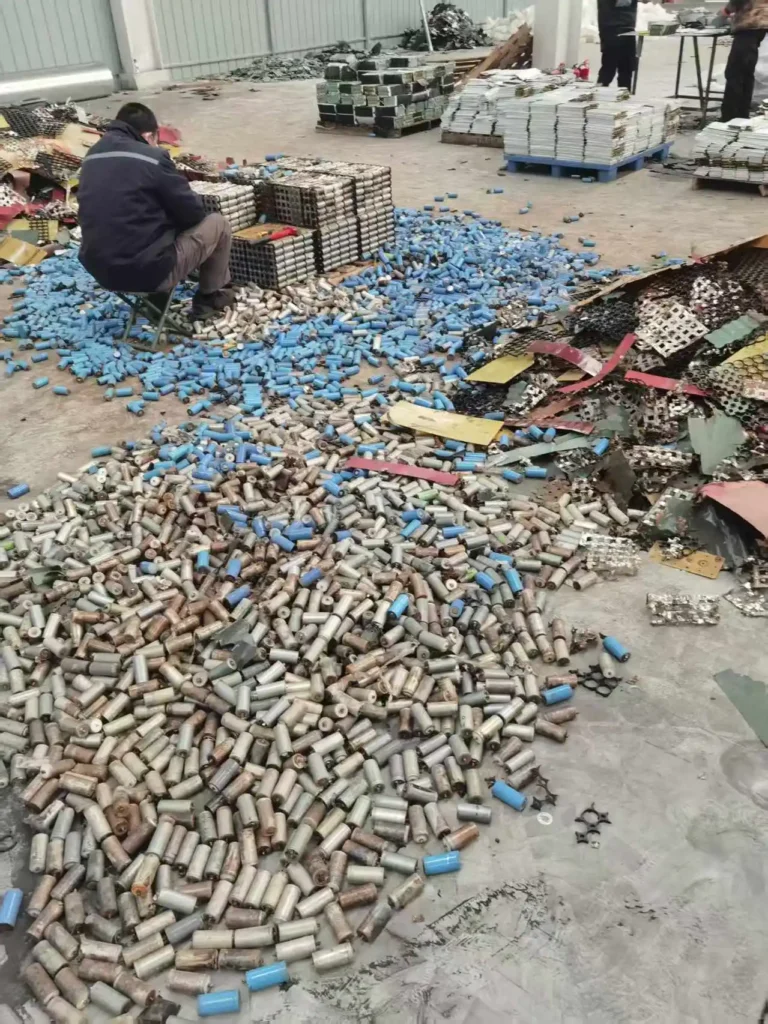
Key Components Found in LFP Battery Cells
LFP batteries hold precious parts such as lithium, iron, phosphate compounds, copper foils, aluminum foils, graphite anodes, electrolyte residues, and plastic separators. These items can get pulled back via high-end machine and chemical steps.
Our efficient, intelligent, and environmentally friendly equipment helps companies reduce costs and increase efficiency, promoting green and sustainable development.
Methods for Extracting Lithium, Iron, and Phosphate
Recycling steps start with pre-shredding the cells using a customized shredder machine. Then comes the crushing to split the build. Next, grouping ways—such as magnetic separation for iron pullback or flotation for splitting graphite—are used.
Key Advantages: Full closed-loop processing (Pre-shredding-crushing - sorting) that meets environmental emission standards; intelligent control reduces manual intervention; adapts to various battery types, including ternary lithium and lithium iron phosphate.
Chemical leaching methods are used next. They pull lithium compounds from the black mass slurry made in crushing. Iron phosphate can be split via picky fallout or solvent pull ways.
How Are Recycled Materials Processed for Reuse?
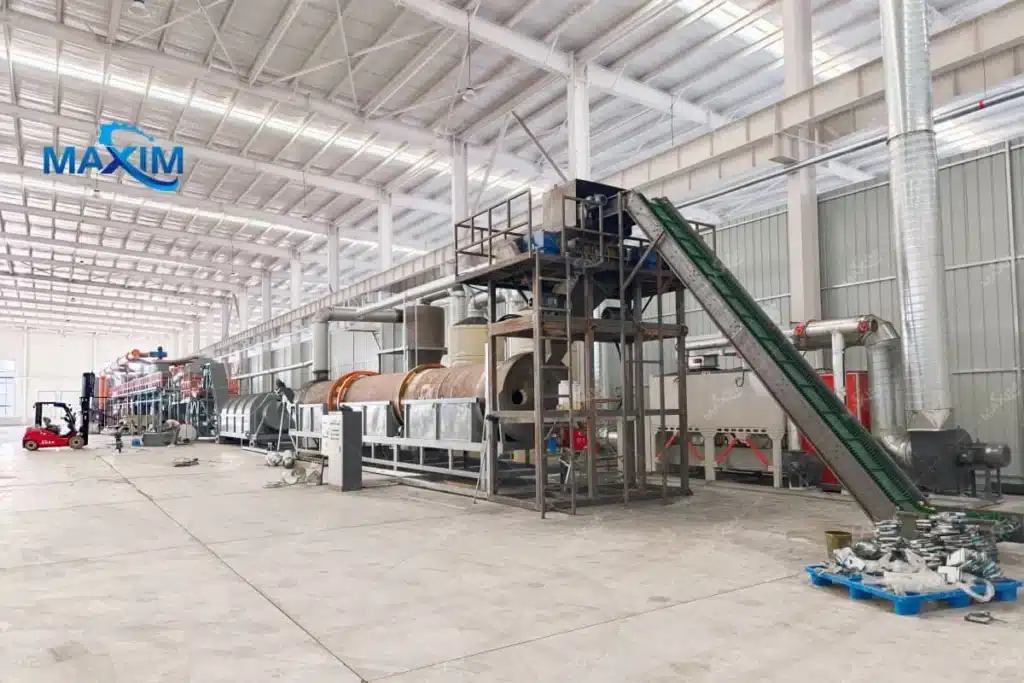
A standard LFP battery recycling flow includes three main phases:
1. Mechanical Pre-treatment: Used batteries receive safe discharge and mechanical shredding. Crushing and screening divide plastics, current collectors (copper and aluminum), plus black mass containing lithium, iron, and phosphate.
2. Physical Separation: Magnetic separation recovers iron-based materials. Air classification and eddy current separation extract aluminum and copper sections.
Chemical Recovery and Purification: Hydrometallurgical leaching extracts lithium compounds from black mass. Purification refines outputs to battery-grade levels for cathode material production.
MAXIM machinery’s battery recycling equipment integrates multiple stages of material separation tailored for LFP batteries. The process starts with mechanical shredding followed by air separation to isolate light plastics from heavier metals. Magnetic separators remove ferrous content while eddy current separators target non-ferrous materials like aluminum.
Integrated magnetic separation and eddy current separation technologies effectively separate metals from non-metallic impurities; the production line is highly automated.
Chemical treatment follows mechanical separation to recover active materials like lithium carbonate or lithium hydroxide, suitable for reuse in new cathode production.
Pulled-back materials often hold dirt that must be taken off before reuse. MAXIM machinery’s recycling lines use cleaning stages such as filtration systems, pH adjustment tanks, or ion exchange columns, depending on the target material.
The equipment is equipped with a PLC control system, supporting remote monitoring and fault warnings, reducing operation and maintenance costs.
These steps ensure high-quality outputs that meet industry standards required for new battery manufacturing.

Studies show that recycled lithium compounds can achieve comparable purity levels to mined materials when processed correctly. When reintroduced into new LFP cathodes or electrolytes under controlled conditions, recycled inputs deliver similar electrochemical performance—comparable cycle life, charge retention, and safety profiles.
MAXIM machinery’s customized solutions ensure consistency across batches by integrating quality assurance checkpoints throughout the recycling workflow.
To meet stringent quality requirements in battery manufacturing, our machines incorporate real-time monitoring systems into our recycling lines. These systems track variables like temperature profiles during crushing or chemical concentrations during leaching.
We provide a one-stop service program covering "preliminary consultation - solution design - equipment production - installation and commissioning - personnel training - after-sales maintenance."
This approach guarantees that recycled outputs conform to technical specifications required by downstream battery producers.
How Does Recycling Reduce the Cost of Battery Manufacturing?
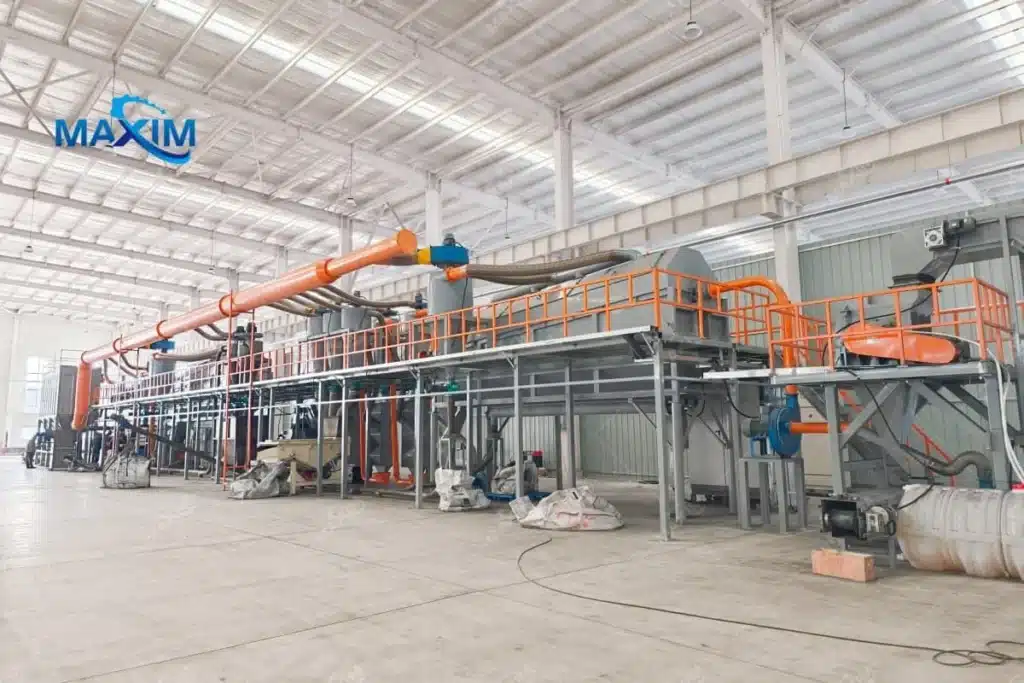
Recycling LFP batteries helpfully cuts the costs for raw items like lithium carbonate or iron phosphate. By getting these straight from used batteries via MAXIM machinery's customized recycling lines, makers can balance rising goods prices.
Focusing on "resource recycling," we specialize in the research, development, and manufacturing of environmentally friendly recycling machinery.
Reducing Waste Management Expenses
The right disposal of risky waste from stopped batteries brings high regulatory costs. By turning this waste into reusable item flows via MAXIM machinery's closed-loop system—which includes dust collection units meeting national emission standards—companies avoid fines. They also make money worth from waste flows.
What Role Does Battery Recycling Play in Supply Chain Security?
World supply chains for key minerals like lithium face risks from world fights. Recycling cuts these dangers by making local sources of raw materials via city mining plans. These are helped by MAXIM machinery's high-end battery recycling gear.
Our efficient equipment helps companies reduce costs, promoting green development.
Creating a Circular Economy for Battery Components
By putting pulled-back materials back into new goods without lowering work or safety rules, MAXIM machinery backs circular economy models. Here, waste turns into a resource. It boosts lasting at both product life ends.
What Are the Challenges in Scaling LFP Battery Recycling?
Technical Barriers to Efficient Material Recovery
LFP batteries lack cobalt—a high-value metal found in other chemistries—making their economic viability more dependent on process efficiency rather than metal value alone. Therefore, highly optimized recovery methods are necessary to make LFP recycling profitable at scale.
MAXIM machinery addresses this through customized solutions tailored according to customer production capacity requirements, material characteristics, and site conditions, ensuring maximum yield per unit processed.
Regulatory and Infrastructure Limitations
In many areas, rule setups lag behind tech jumps in battery recycling. Plus, set up gaps block gathering moves needed for a steady input supply amounts. With the full-life cycle service model—from consultation to after-sales—MAXIM machinery helps clients handle these blocks well.
How Is MAXIM Machinery Advancing LFP Battery Recycling Technology?
MAXIM machinery’s lithium battery recycling line offers full closed-loop processing (Pre-shredding-crushing - sorting) that meets environmental emission standards. Our intelligent control system minimizes manual labor while ensuring process stability across varying input compositions, including both ternary lithium-ion cells and LFP batteries.
The line supports flexible capacity adjustments, making it ideal for small-scale startups or large-scale industrial operations alike—a testament to MAXIM machinery’s commitment toward scalable innovation through customization.
Beyond batteries alone,the company also manufactures scrap metal recycling lines capable of processing 10-50 tons/hour using integrated magnetic separation technologies—ideal for recovering copper/aluminum used in EV motors or wiring harnesses during vehicle decommissioning phases.
MAXIM machinery’s waste electronic appliance line enables precise recovery of precious metals such as gold/silver/copper/palladium, further supporting circular economy goals beyond just energy storage applications.
A: Yes. When properly purified using advanced processes like those offered by MAXIM machinery’s battery recycling equipment line, recovered lithium carbonate or iron phosphate can match virgin material performance standards used in new cathode production.
A: Advanced lines include full closed-loop flows with smart oversight. MAXIM machinery’s option cuts manual effort. Adaptation to battery types like LFP occurs smoothly. The full flow stays within tight environmental rules. Efficiency and endurance result.
A: Absolutely. Recycling reduces raw material procurement costs while eliminating waste management expenses associated with hazardous disposal—a dual advantage offered by MAXIM machinery’s efficient systems.
A: Projects are customized based on individual customer requirements such as processing power, battery type (e.g. ternary lithium batteries vs. LFP batteries), and site constraints. For example, at MAXIM machinery, engineers are tasked with developing customized solutions that are optimal in processing power utilization as opposed to standard solutions.
A: In addition to energy storage and battery recycling applications, MAXIM machinery’s technology is also used in other resource recovery sectors. These include scrap metal shredding for steel, aluminum, and copper recovery, as well as e-waste recycling systems designed to reclaim precious metals—supporting the development of a more integrated and sustainable resource reuse ecosystem.
Discover how integrated lithium battery recycling equipment enhances plant safety, automation, metal recovery rates, and operational efficiency while supporting large-scale, eco-friendly battery recycling production lines.
