

The fashion industry is one of the most resource-intensive and polluting sectors worldwide. Recycling textiles via garment shredders greatly cuts environmental harm by lessening the demand for fresh raw materials. Rather than depending on water- and energy-demanding cotton growing or oil-based synthetic fibers, reused fibers provide a green option. This method aids in saving water, cutting greenhouse gas releases, and reducing energy use.
Around the world, millions of tons of clothing wind up in landfills yearly. When garments get shredded into fibers, they can be reused in diverse ways—from insulation to fresh textiles. This stops them from turning into waste. A clothes shredder allows effective size reduction and material retrieval. It makes handling textile waste in a green way simpler.
Fabric shredders are key tools in the circular fashion economy. These machines tear down worn garments into reusable fibers. These can be added back into the supply chain. This not only backs recycling. It also boosts ethical making practices by cutting reliance on harmful fast fashion loops.
Henan MAXIM Machinery Equipment Co., Ltd. is dedicated to innovation, design, and production of independently designed and developed equipment. Focusing on "resource recycling," we specialize in the research and development and manufacturing of environmentally friendly recycling machinery, including customized solutions for textile waste management.
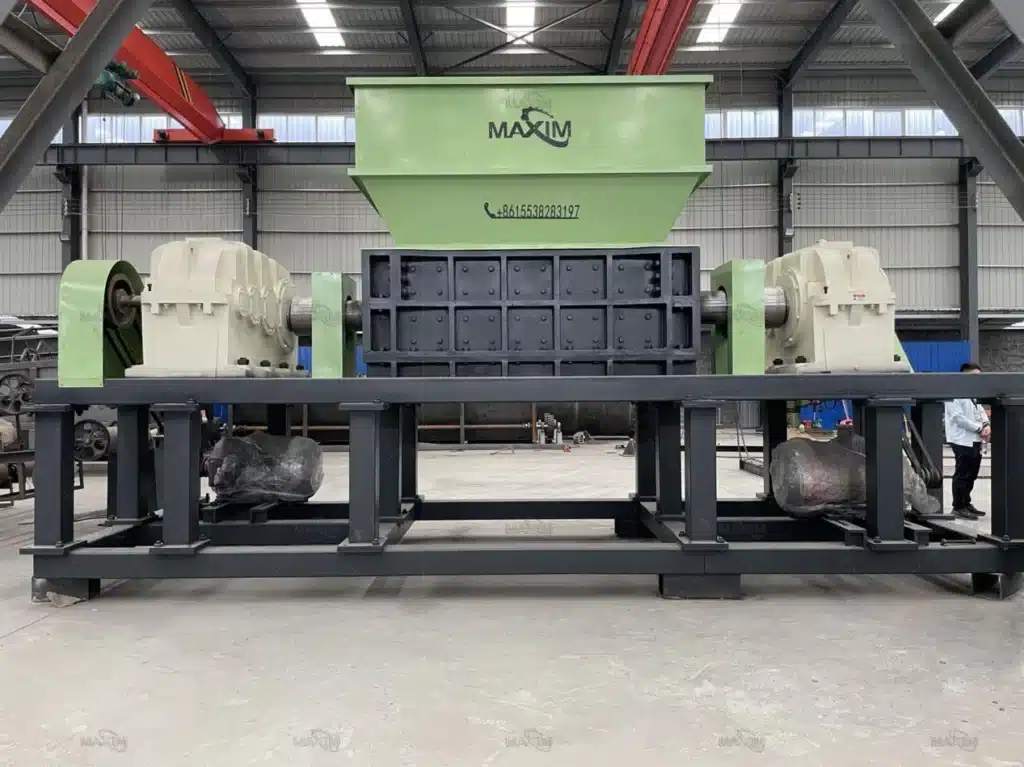
A cloth shredder operates by mechanically ripping garments apart with rotating blades or cutters. The process starts with putting old clothes into the hopper. Then, inner parts grab and shred the fabric into smaller strips or bits fit for more processing.
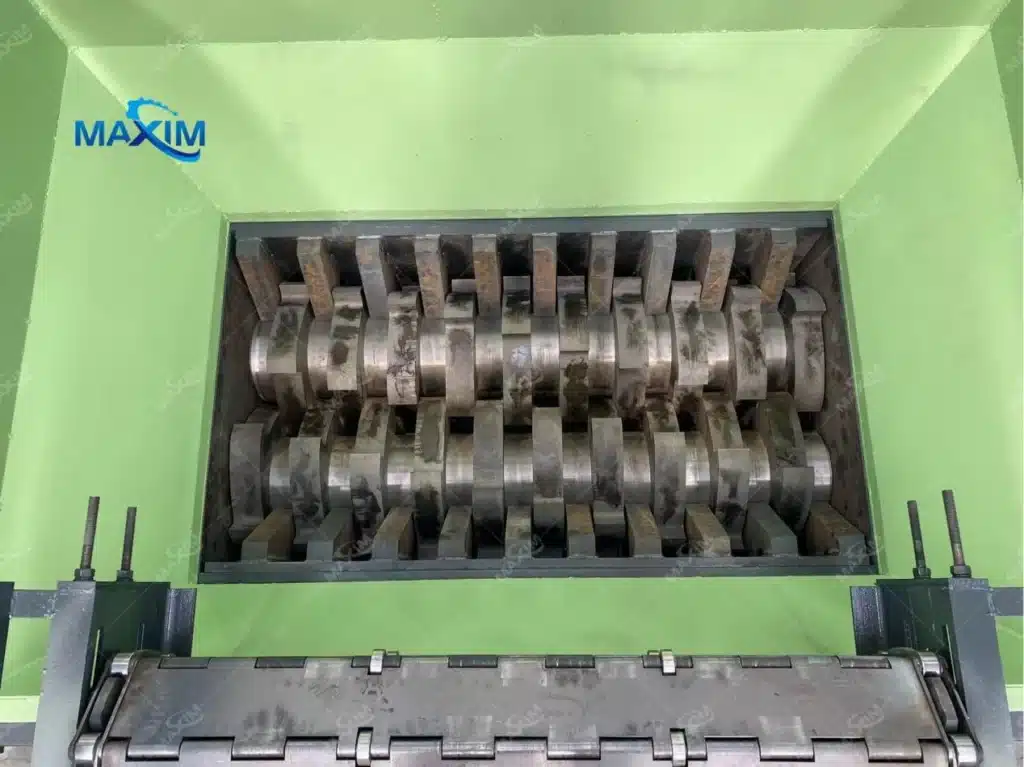
Garment shredders usually use dual-shaft or single-shaft setups with hardened steel blades made for strength and accuracy. The blade kinds differ based on fabric thickness—softer textiles might need serrated blades. Tougher materials require high-torque cutters.
Core components (such as shredder blades and sorting systems) are independently developed, with wear and impact resistance exceeding industry standards. MAXIM machinery’s customized shredder machine ensures optimal performance for different fabric types through advanced engineering.
Industrial garment shredders provide higher output capacities, stronger motors, and automated feeding systems fit for big-scale work like textile mills or recycling centers. On the other hand, a fabric shredder for home use is small, easy to use, and built for personal upcycling tasks or small firm uses.
MAXIM machinery supports both industrial-scale operations and can develop customized solutions based on site conditions and capacity requirements.
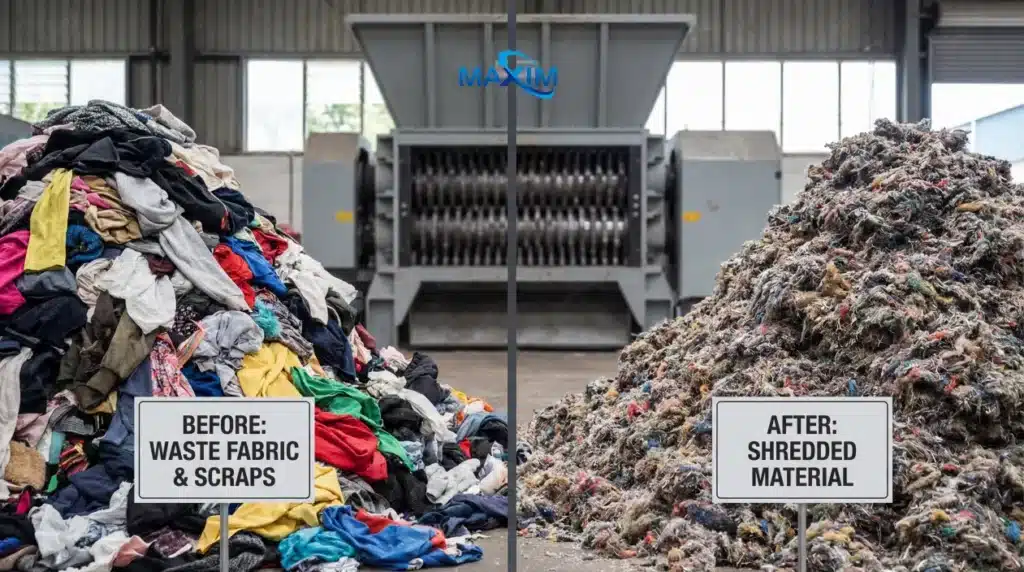
Once shredded, fabrics get sorted based on their fiber makeup—natural (like cotton or wool) versus synthetic (like polyester). This split is crucial because varied materials need certain processing ways before being re-spun into yarns.
Through a combination of screening, air separation, and magnetic separation, MAXIM machinery’s systems efficiently distinguish recyclables from non-recyclables during the sorting phase.
After separation, shredded cloth goes through cleaning to take out dyes, pollutants, or leftovers that could harm fiber quality. Washing systems might include chemical treatments or mechanical stirring based on dirt levels.
MAXIM machinery’s machines can be integrated with cleaning modules to ensure high-quality fiber recovery aligned with environmental standards.
Cleaned fibers are carded (aligned) and pulled out into slivers before being twisted into yarns via spinning machines. These yarns can then be woven or knitted into new textiles. This finishes the recycling loop started by a cloth shredder.
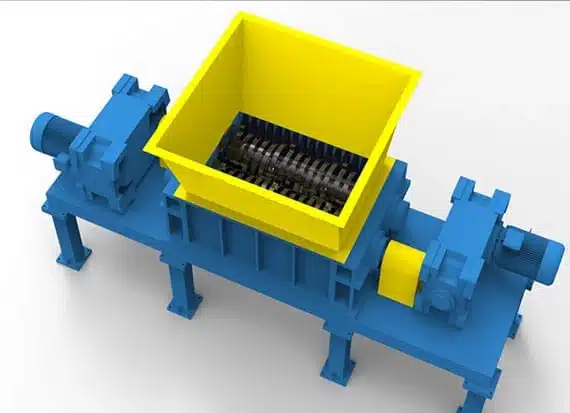
A home fabric shredder should have safety features like overload protection, automatic shut-off devices, quiet operation, and ease of maintenance. In addition to these, compactness, energy efficiency, and flexibility of use with various kinds of fabrics are also key aspects to consider.
MAXIM machinery offers customized shredder machines based on the client's requirements—small-scale domestic recycling or boutique-level textile resurrection.
The equipment of MAXIM machinery has a PLC control with remote monitoring and fault notification features for a safer operation.
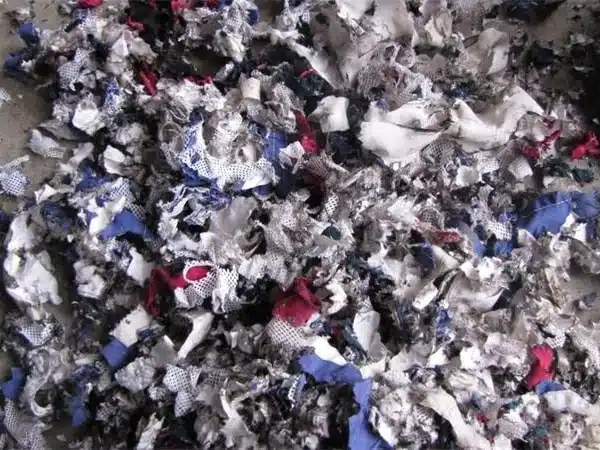
Both natural (cotton, wool) and synthetic (polyester, nylon) fibers can be processed using garment shredders. However, natural fibers tend to break down more easily. Synthetics may need extra steps such as melting or chemical treatment before reuse.
Customized shredding solutions from MAXIM machinery allow adaptability across various material types without compromising processing efficiency.
Blended fabrics holding both synthetic and natural fibers create issues due to different melting points or chemical traits. Advanced sorting technologies are needed to split these parts well before recycling can go on smoothly.
Our efficient, intelligent, and environmentally friendly equipment helps companies reduce costs and increase efficiency, even when dealing with complex mixed-material garments.
By turning old clothes into new raw materials via cloth shredders, makers close the loop between production and disposal. This is a core idea of circular fashion. This cuts dependency on virgin resources while backing green product design ways.
MAXIM machinery provides end-to-end support from consultation to installation—ensuring seamless integration of recycling systems within existing production lines through customized layout planning.
Fashion brands more and more team up with textile recyclers using garment shredders to gather post-consumer waste for reuse in new lines. This teamwork boosts brand green credentials while meeting rising buyer demand for eco-friendly clothing choices.
We provide a one-stop service program covering "preliminary consultation - solution design - equipment production - installation and commissioning - personnel training - after-sales maintenance."
At MAXIM machinery, we tell everyone: "The best relationships start when we provide you with products." Our garment shredder machines feature independently developed cutting systems that exceed industry standards in wear resistance. The equipment is equipped with a PLC control system, supporting remote monitoring and fault warnings, ensuring safe operation even under demanding conditions.
Whether you're handling post-consumer fashion waste or pre-production scraps from factories—we offer customized shredder machine solutions tailored precisely to your needs.
In addition to clothes shredders:
Each solution is fully customized based on capacity, space limitations, material type—and always compliant with national environmental regulations.
A: A garment shredder breaks down old clothing into small pieces so they can be reused as raw materials in producing new textiles or other industrial applications like insulation padding.
A: Most natural and synthetic fabrics can be shredded; however blended materials may require additional sorting steps due to differences in fiber properties such as melting point or biodegradability.
A: Yes! There are compact models available designed specifically as fabric shredders for home use—ideal for DIY projects or small-scale textile businesses focused on upcycling garments responsibly.
A: Customization Capabilities: Customized according to customer production capacity requirements, material characteristics, site conditions—we tailor layout & parameters accordingly.
A: MAXIM machinery offers superior durability through independently developed components plus intelligent controls that reduce downtime—all backed by full-lifecycle service including installation & after-sales support within 24 hours.
Why Shredding Old Clothes Matters Environmental Benefits of Recycling Textiles The fashion industry is one of the most resource-intensive and polluting sectors worldwide. Recycling textiles via garment shredders greatly cuts environmental harm by lessening the demand for fresh raw materials. Rather than depending on water- and energy-demanding cotton growing or oil-based synthetic fibers, reused fibers excerpt …
