
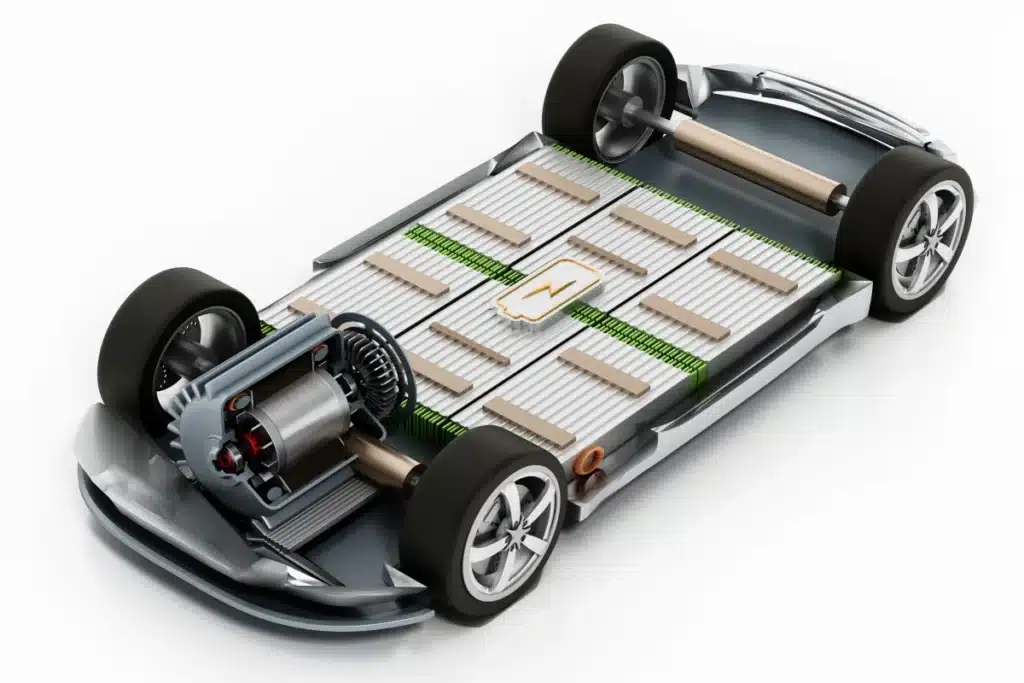
Batteries left unused often leak harmful stuff into soil and rivers. When old cars get replaced, parts get tossed carelessly. Hidden underground, they start breaking down slowly. Acid from expired cells seeps into dirt over time. Heavy metals creep into nearby streams unnoticed. Water changes color where contamination lingers. Humans drinking from these places may face health issues later. Wildlife spaces suffer extra harm from these materials. When electric car batteries wear out or get damaged, they can catch fire - or just burn - due to rising heat. Such events often spark large fires while sending toxic fumes into the air.
A move against similar threats finds most countries imposing tight rules on how used car batteries are handled. Rules like the "Regulations on the Management of Renewable Resources Recycling" set clear expectations for recycling efforts. Landfills now block access to hazardous battery trash, thanks to strict bans put in place. Every piece of gear meets rules like the country's law on stopping pollution from trash. That includes what's called the "Law on the Prevention and Control of Environmental Pollution by Solid Waste" - one of several guiding standards.
After they are gathered through approved drop-off centers or recycling collections, used motor vehicle batteries are sorted by chemistry type—e.g., lead-acid or lithium-ion—and condition. Sorting is critical to select the appropriate processing methods. Sorted batteries are shipped safely to specialty facilities in containment equipment that avoids leakage or fire during shipping.
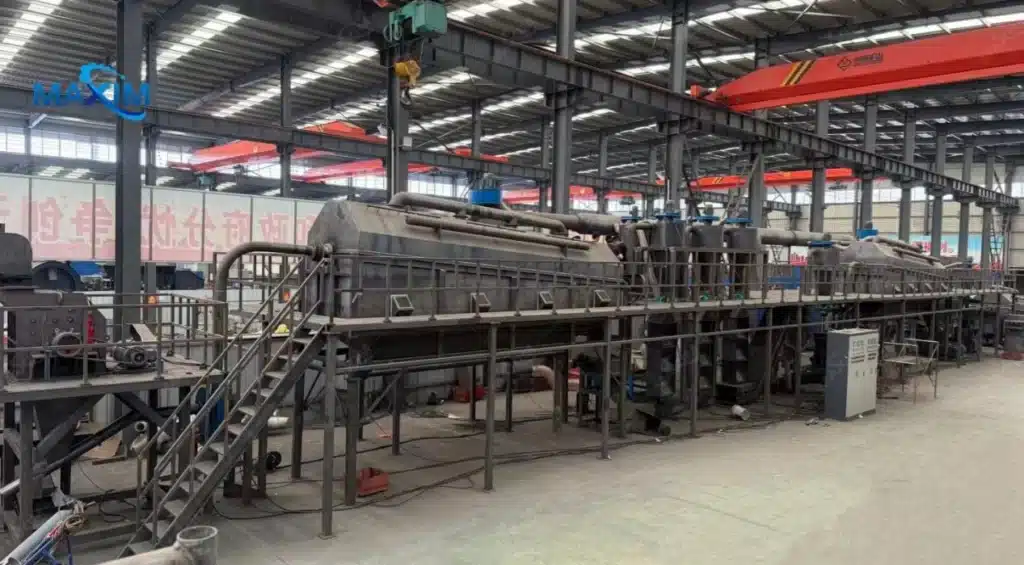
In recycling plants, dismantling starts with draining residual energy from the cells of the batteries to prevent electrical risks. The casing is next destroyed. Breaking inner parts like electrodes, separators, electrolyte solutions, and metal foils follows. Henan MAXIM Machinery Equipment Co., Ltd. specializes in innovation, design, and production of self-designed and developed equipment. Our custom-made recycling line ensures safe disassembly and high material recovery efficiency.
Mechanical processes like shredding, crushing, magnetic separation, and screening play a key role in pulling out useful materials from vehicle batteries. Businesses benefit from our practical, budget-friendly, and eco-conscious equipment. This gear helps companies cut expenses. It boosts productivity. Plus, the equipment supports eco-friendly and lasting growth. Take MAXIM machinery's vehicle batteries recycling shredder as one case. The shredder handles different battery designs. It uses pre-shredding, crushing, and sorting technology. All this happens inside a fully closed-loop system.
Integrated magnetic and eddy current separation technologies effectively separate metals from non-metallic impurities. The operations ensure high-purity ferrous metal recovery, like steel casings, and non-ferrous metals like copper and aluminum.
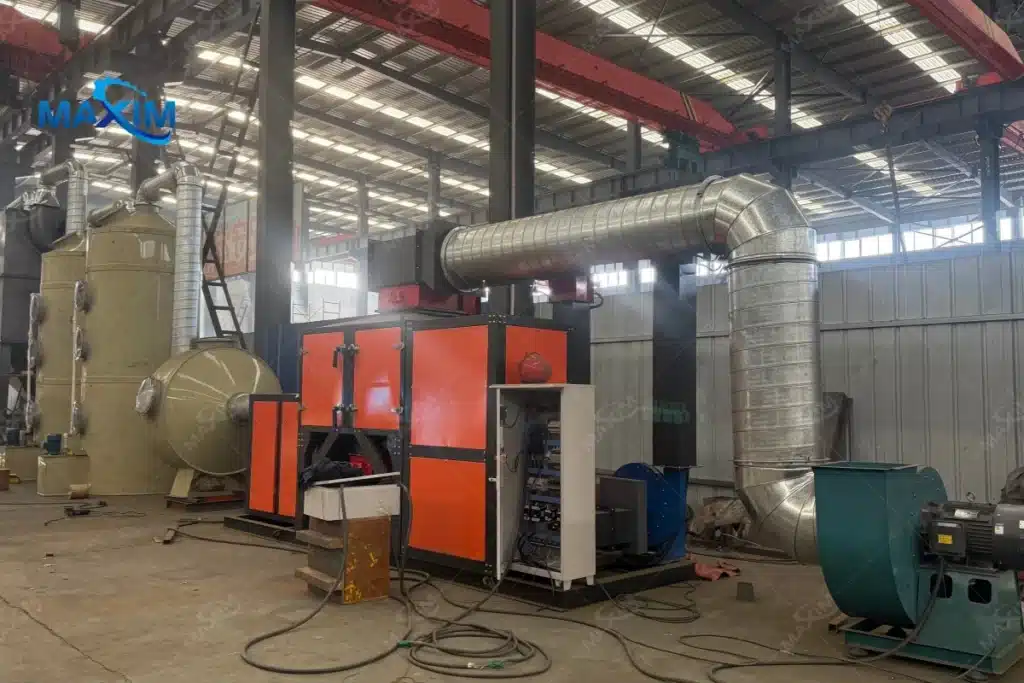
Following mechanical processing, pyrometallurgical (thermally) or chemical leaching processes are applied to leach core elements like lithium, cobalt, nickel, and manganese. These processes involve dissolving compounds into a solution or exposing them to melting at high temperatures to isolate pure forms for recycling.
MAXIM machinery's lithium battery recycling stream addresses concerns like "difficulty in recycling" through the application of a combination of smart control systems that minimize manual intervention while ensuring environmental sustainability.
Recovered material gets a new life in different industries. Lead recovered from lead-acid batteries is reused to make new batteries. In the same way, lithium recovered from EV batteries is reused as a new cathode material for future energy storage systems.
Enabling efficient separation and reuse of valuable materials such as battery cells, electrode material, and metals supports a circular economy system wherein less virgin material is required.
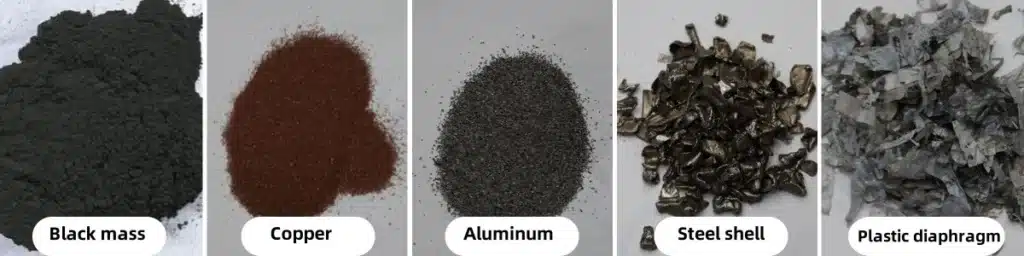
These metals are crucial to modern technology—smart phones to electric vehicles—and are strategic materials by virtue of limited global supply chains. Successful recovery halves the dependence on mining and lowers the geopolitical risks involved in raw material supply.
MAXIM machinery's custom solutions optimize extraction rates regardless of battery chemistry—ternary lithium (NMC) or lithium iron phosphate (LFP).
Apart from metals, plastic from casings can be recovered as automotive parts or building material-grade resins. Electrolytes are typically toxic or flammable and are neutralized by chemical treatment processes before safe disposal or reuse.
It permits the selective recovery of precious metals (gold, silver, copper, and palladium) and recycling of others like plastics and resins, and prevents environmental pollution by toxic substances like lead or mercury.
You may be asked to provide some basic information about what kind of battery it is (e.g., lead-acid or lithium-ion). Some of these centers offer rewards like store credit for returns. The center will then transport your battery in safety to begin its demolition process with devices like MAXIM machinery's vehical batteries recycling shredder systems.
Choose services that are certified under national environmental standards with transparent handling procedures. Costs may vary depending on whether you’re disposing of waste individually or at an industrial scale; however, we tailor production line layout and equipment parameters to avoid "one-size-fits-all" waste, ensuring cost-efficiency at every scale.
Henan MAXIM Machinery Equipment Co., Ltd. has built a reputation for delivering customized solutions across various recycling sectors, including lithium-ion batteries, scrap metal, electronic waste, and solid waste streams.
We provide a one-stop service program covering "preliminary consultation - solution design - equipment production - installation and commissioning - personnel training - after-sales maintenance."
Our PLC-controlled systems support remote monitoring with fault alerts—ensuring maximum uptime during operations while reducing labor costs.
In addition to vehicle batteries recycling shredder lines, MAXIM machinery also offers scrap metal production lines capable of processing 10–50 tons per hour. Our electronic waste lines recover gold, silver & copper while neutralizing toxic substances like cadmium & mercury.
Customization Capabilities: Customized according to customer production capacity requirements, material characteristics ensure each client receives optimal performance tailored specifically for their needs.
A: The proper approach requires delivering the battery to a certified recycler. This recycler sticks to environmental rules. Recyclers rely on modern shredding tools, such as MAXIM machinery's vehicle battery recycling shredder system.
A: In certain situations, the battery holds some remaining worth. This worth can cut down or wipe out recycling expenses. Commercial fleets often need recycling for lithium batteries from electric vehicles. Damaged batteries call for extra care during handling and transport. Fees can come up in those cases. The exact fees depend on the battery's state, dimensions, and local rules.
A: Yes—with suitable technology. MAXIM machinery’s customized recycling line manages different battery compositions. The compositions cover ternary lithium (NMC), LFPs, and standard lead-acid varieties. The line processes these compositions effectively.
A: Absolutely! Workers recover materials such as lead and lithium from old car batteries. Manufacturers reuse these materials in fresh items. The items span from new EV cells to factory uses. Correct recycling turns these materials into financially useful resources.
A: Core components (such as shredder blades and sorting systems) are independently developed, exceeding industry standards with full life cycle services from consultation through after-sales support—ensuring long-term reliability & compliance.
Introduction The worldwide demand for small metal shredder machines continues to rise. Industries now pay close attention to effective scrap handling and reuse. Companies look for dependable places to buy a small metal shredder machine. These spots provide solid results and good value. Picking the proper vendor matters a lot. A top-notch small metal shredder for sale can excerpt …
