
The worldwide increase in electric vehicles, renewable energy storage systems, and smart electronics drives a sharp rise in lithium battery use. Batteries reach end-of-life. Recycling facilities face growing pressure to handle them at large scale. Experts predict millions of tons of lithium-ion batteries will retire soon. Demand grows fast for dependable, high-capacity battery recycling production line systems. Environmental rules tighten. Manufacturers adopt more sustainable and effective recycling methods.
Traditional battery recycling methods use separate systems. Each stage—discharge, dismantling, crushing, separation—happens on its own. This broken workflow causes uneven output and heavy reliance on workers. Manual dismantling creates major safety dangers from leftover charge and flammable electrolytes. Such methods limit growth. Lithium batteries hold residual charge and flammable electrolytes. Poorly connected recycling systems risk thermal runaway and accidents.
Safety stands as the top issue in lithium battery recycling. Dangers from leftover voltage, toxic gas releases, and flammable materials can lead to fires or blasts if managers fail to control them. Traditional setups suffer from single failures. A spark during dismantling might cause full plant shutdowns or worse. Advanced lithium battery recycling plant designs focus on fire prevention and system strength.
Battery volumes rise quickly. Recycling facilities must manage steady loads without losing speed. Manual shifts between stages cause delays and lower output quality. Full automation and modular workflows prove vital for high-volume work.
Integrated systems mark a big change in strategy. Central control platforms cut human mistakes. These platforms offer real-time monitoring and tracking across the process. Coordinated equipment design improves material flow from discharge to final metal recovery. Operations gain better stability.
MAXIM machinery tackles this problem with fully automated discharge and dismantling units. Workers avoid direct touch with risky parts. The equipment features a PLC control system. This system allows remote monitoring and error alerts. Operation and upkeep costs drop. Enclosed systems block leaks of electrolytes and other harmful substances.
Advanced sensors in MAXIM machinery’s integrated recycling equipment track temperature and pressure all the time. Anomalies trigger automated fire suppression systems right away. These steps contain dangers. Such measures help avoid thermal runaway events.
Shredding and crushing stages include built-in filtration units. These units catch harmful dust particles. Containment chambers handle volatile reactions. The full equipment line follows national rules like the "Law on the Prevention and Control of Environmental Pollution by Solid Waste" and the "Regulations on the Management of Renewable Resources Recycling."
MAXIM machinery’s lithium battery recycling production line combines every step—discharge, crushing, sorting—into one smooth process. Downtime and blocks decrease. Full closed-loop processing covers pre-shredding, crushing, and sorting. This processing meets environmental emission standards. Intelligent control cuts manual work. The modular setup allows easy growth as needs expand.
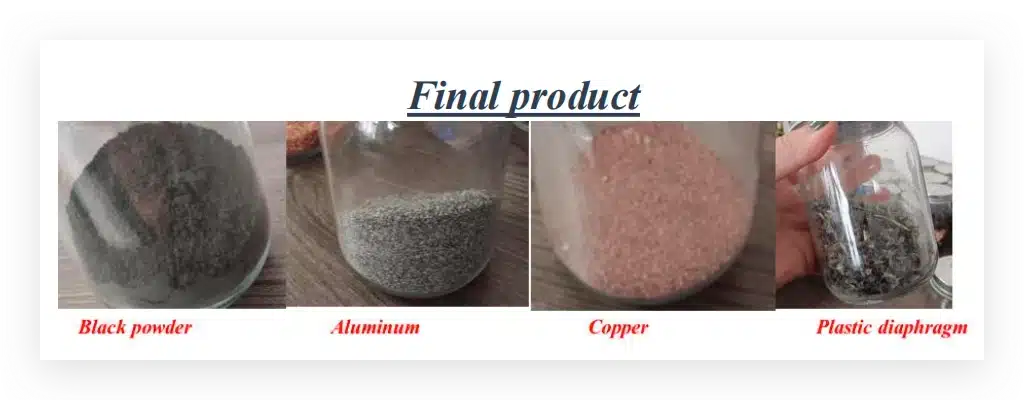
The hydrometallurgical processing unit improves the recovery rate of key metals such as cobalt, nickel, and lithium. Purity is significantly increased. Advanced sorting and separation production lines effectively separate electrode materials from casings and plastics.
Smart control systems adjust power based on current load. Unneeded energy use falls. Heat recovery technologies capture thermal energy from hot processes. Plants reuse this energy in other areas.
Yield per unit improves with MAXIM machinery. Reliance on new mineral mining drops. Equipment solves key problems in post-decommission lithium battery recycling. Problems include hard collection, high pollution, and resource loss. Valuable parts like battery cells, electrode materials, and metals are separated and reused efficiently.
Integrated plants cut emissions from transport by keeping operations in one place. Automated workflows use less energy per ton than old setups. Efficient, smart, and eco-friendly equipment lowers costs and boosts speed for companies. Green and sustainable growth follows.
MAXIM machinery delivers full solutions for large-scale battery recycling. Focus stays on "resource recycling." Specialization covers research, development, and production of eco-friendly recycling machinery. Customized recycling and processing solutions serve sectors like lithium batteries.
Our full lineup includes:
Customization covers every part—from a customized shredder machine to customized recycling solutions—based on capacity needs or battery types.
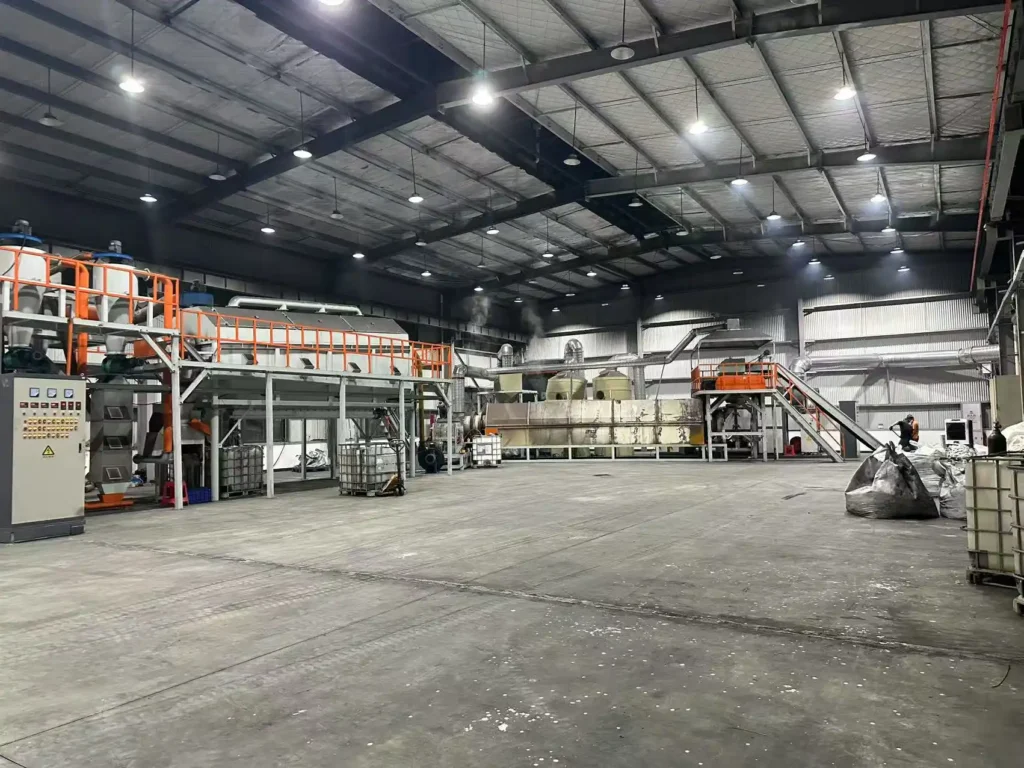
All MAXIM machinery equipment is built for nonstop work with strong durability and low upkeep time. Safety and environmental standards compliance ensures solid investment for changing rules.
Launch a new facility or update an old one. MAXIM machinery provides fully customized recycling solutions. Solutions match battery type, production scale, site conditions, and recovery goals. Engineers support from consultation to installation with ongoing service.
One-stop service covers "preliminary consultation - solution design - equipment production - installation and commissioning - personnel training - after-sales maintenance."
Integrated systems go beyond upgrades. They form the base for next-generation lithium battery recycling.
A: Our equipment handles various battery types, such as ternary lithium-ion batteries (NCM/NCA), lithium iron phosphate (LFP), and others. We apply custom processing steps for these materials.
A: Combined systems contain live monitoring sensors, fire suppression devices, sealed processing areas, and automatic discharge lines. These components prevent manual contact with dangerous parts.
A: Our equipment applies modern hydrometallurgical methods to obtain pure recovery levels that surpass standard industry benchmarks for cobalt, lithium, and nickel.
A: Yes, MAXIM machinery offers fully customized recycling solutions tailored to your desired capacity, site layout, material characteristics, and budget.
A: Our full equipment series follows national rules, including the "Law on the Prevention and Control of Environmental Pollution by Solid Waste" and the "Regulations on the Management of Renewable Resources Recycling." Third-party tests verify that dust, noise, and wastewater emissions align with environmental requirements.
Discover how integrated lithium battery recycling equipment enhances plant safety, automation, metal recovery rates, and operational efficiency while supporting large-scale, eco-friendly battery recycling production lines.
