
The energy use of a scrap crusher machine relies on various operational and design elements. The key factors involve the kind and toughness of the metal scrap under processing. They also include the wanted output particle size. Plus, the machine’s motor power level and its duty cycle matter. Heavier, denser items like steel need greater crushing power. So, these items use more energy than lighter items such as aluminum.
Another big factor is throughput capacity. Machines built to handle larger amounts per hour use more power by nature. Also, efficiency drops in mechanical transmission setups and electrical parts can affect total power use more.
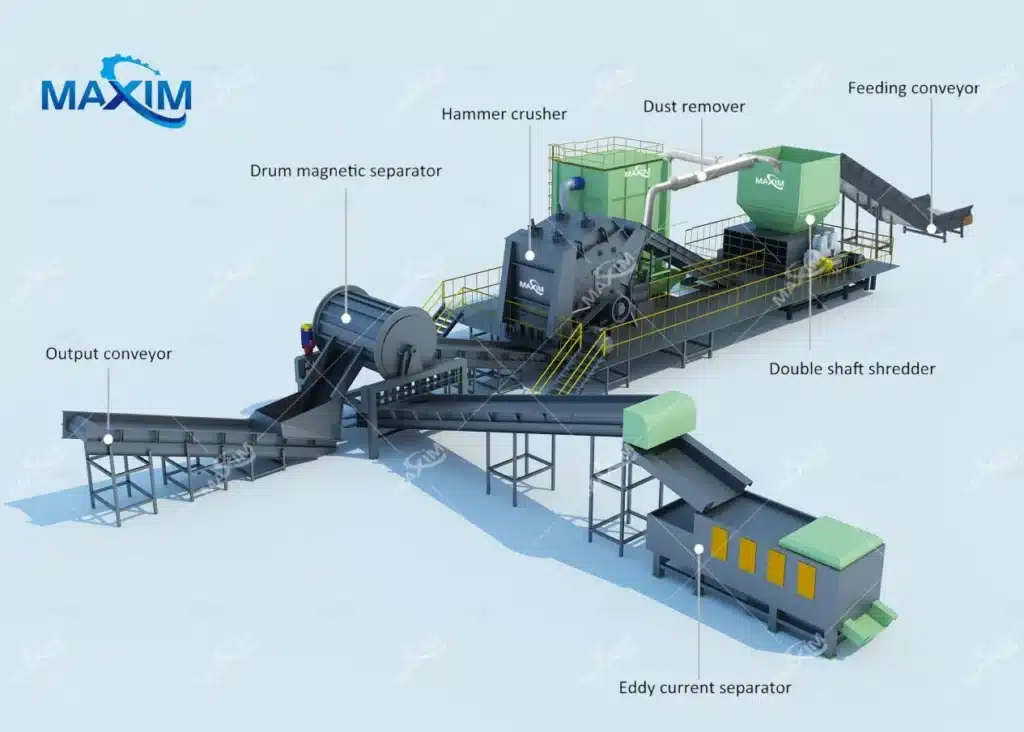
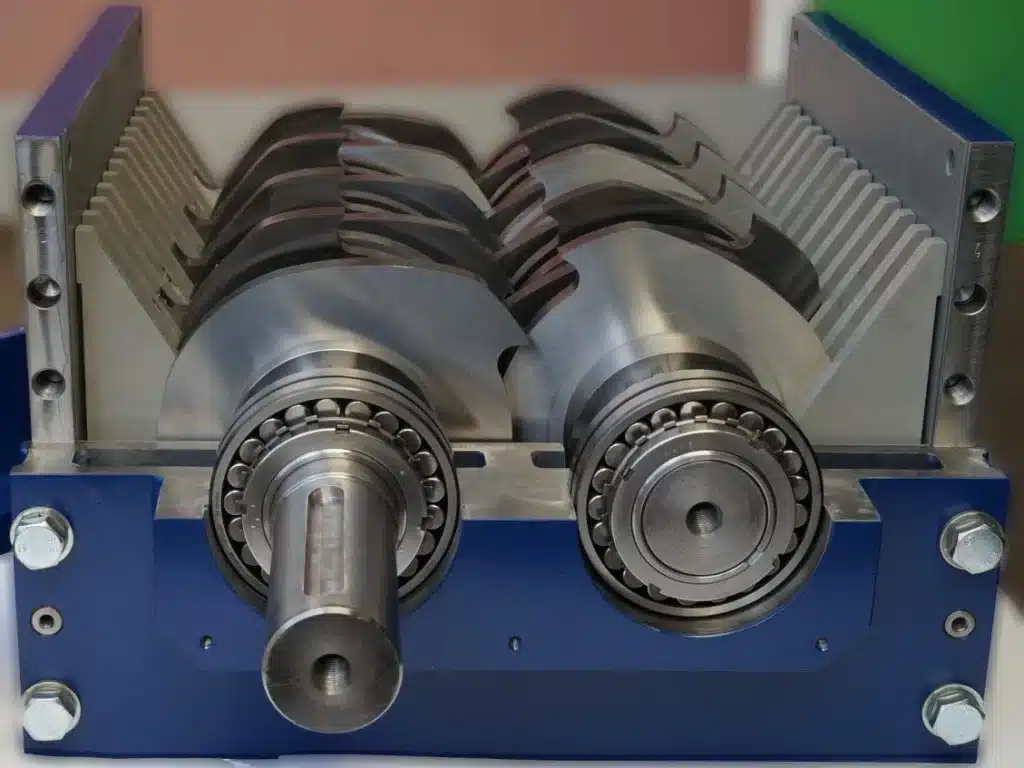
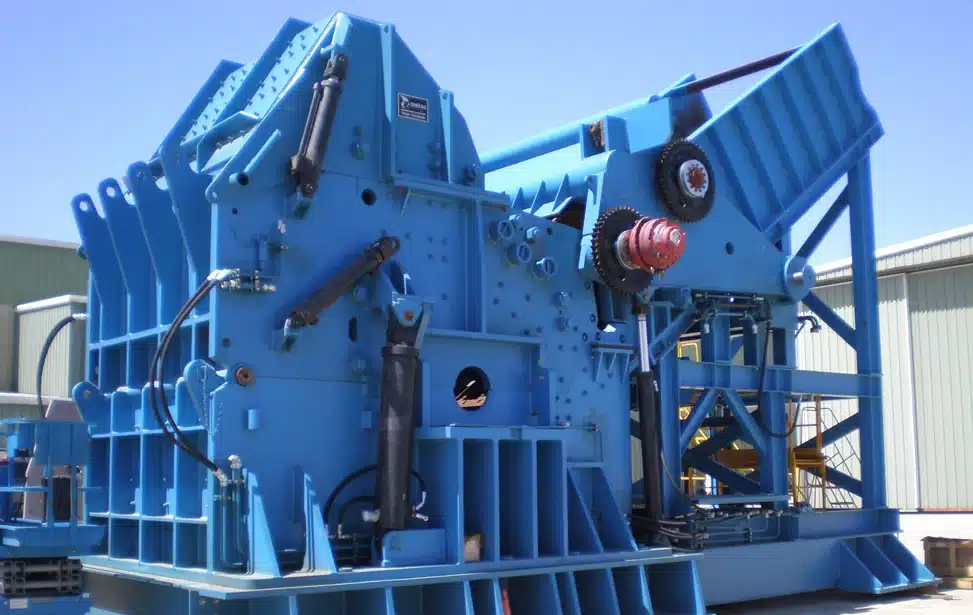
Scrap crusher machines exist in different setups based on application demands. MAXIM machinery focuses on machines like dual-shaft shredders and hammer mills to break down metal scrap into smaller pieces. Each type uses a unique method to break metal scrap into smaller bits, impacting the power needs accordingly. For example, hammer mills require large kinetic energy inputs due to the high-speed spinning hammers, while rotary shear shredders, working at slower speeds, produce high torque and are suitable for tougher materials.
MAXIM machinery's crushers are designed to handle a wide range of materials, including tougher metals like stainless steel and thick-walled iron, which naturally require more power for effective processing. We emphasize efficiency in processing larger volumes, but the exact output sizes depend on the specific machine model and configuration. MAXIM machinery provides tailored solutions between output size and power consumption which you need, as expected in the industry, finer output sizes generally require more power due to additional crushing rounds.
MAXIM machinery’s product lineup mainly focuses on electric-powered scrap crushers and shredders, which offer higher efficiency due to direct-drive systems with fewer energy losses. These machines are optimized for continuous operations and have lower energy drops compared to hydraulic models. While hydraulic systems, known for providing higher torque, are commonly used in baler machines and shear machines for metal compaction, MAXIM machinery’s focus remains on electric-driven systems for scrap crushers and shredders to optimize energy efficiency in large-scale operations.
Small-scale scrap crushers often has minimum motors of 15 kW. They get used for local recycling tasks or small production units. These machines are small and use less electricity. But they have restricted capacity.
Industrial-grade metal scrap crushers in big recycling sites or steel plants come with motors from 100 kW up to 800 kW or more. These systems usually add built-in feeding conveyors, magnetic separators, and discharge lines. They support ongoing work at high amounts—up to 50 tons/hour in some cases.
The production line is highly automated, with a processing capacity of 10-50 tons/hour; it meets the standards for front-end raw materials for metal smelting and directly connects to the downstream supply chain.
Tougher metals like stainless steel or thick-walled iron demand more crushing power than aluminum or light alloys. Also, making finer output sizes raises crushing rounds per unit material. Thus, it boosts energy need.
Customized shredder machines can be tuned based on material traits. This balances power use and output quality well.
Customized according to customer production capacity requirements, material characteristics, and site conditions, we tailor production line layout and equipment parameters to avoid "one-size-fits-all" waste.
Electric-powered scrap crushers often give better efficiency due to direct drive systems with fewer energy drops. Hydraulic models offer stronger torque. But they usually use more electricity because of pump issues during idle times or partial loads.
Electric systems also permit simpler links with smart tracking tools. These track kilowatt-hour use in real time.
Modern scrap crusher machines often include PLC-based control systems. These can watch real-time power use via sensors linked to motors and drives.
The equipment is equipped with a PLC control system, supporting remote monitoring and fault warnings, reducing operation and maintenance costs.
External tools like smart meters or IoT-based energy monitors can get added at the power input lines of your metal scrap crusher system. They provide exact tracking over time.
To estimate operational costs:
1.Multiply average kilowatts used per hour by local electricity rates.
2.Consider duty cycle—whether the machine runs without stops or with breaks.
3.Factor in maintenance downtime. It affects overall efficiency.
4.Use past data logged via PLCs or smart meters for better planning.
Routine upkeep ensures smoother work with less drag in moving parts:
l Regular lubrication cuts friction drops.
l Blade sharpening boosts cutting efficiency.
l Belt tension changes stop slippage-caused energy loss.
Core components (such as shredder blades and sorting systems) are independently developed, with wear and impact resistance exceeding industry standards.
Operators should skip overfeeding or underfeeding the crusher. Both cause poor work. Running machines at best load levels ensures top throughput per kilowatt used.
Using load-sensing automation helps control feed rate based on crusher load states. It cuts needless energy jumps during idle phases.
A well-fit machine not only cuts starting costs but also lowers long-term running expenses. At MAXIM Machinery Equipment Co., Ltd., we provide customized metal crusher solutions. These solutions fit exactly to your material type, volume demands, site limits, and sustainability aims.
We tailor production line layout and equipment parameters to avoid "one-size-fits-all" waste.
Machines that work without stops under heavy loads will use more electricity by nature than those running with breaks under lighter loads. Check your work schedule when assessing total energy needs over time.
Longer duty hours also call for tougher components. Otherwise, frequent stops will cause poor energy use due to start-stop rounds.
High-efficiency motors (IE3/IE4 rated) cut electrical drops a lot compared to standard models. Variable frequency drives (VFDs) tune motor speed according to load states. This leads to extra savings, especially during partial-load work common in recycling settings.
Henan MAXIM Machinery Equipment Co., Ltd. is dedicated to innovation, design, and production of independently designed and developed equipment. We offer complete solutions from customized shredder machines to full-scale scrap metal recycling lines that integrate crushing – impurity removal – sorting – forming processes efficiently.
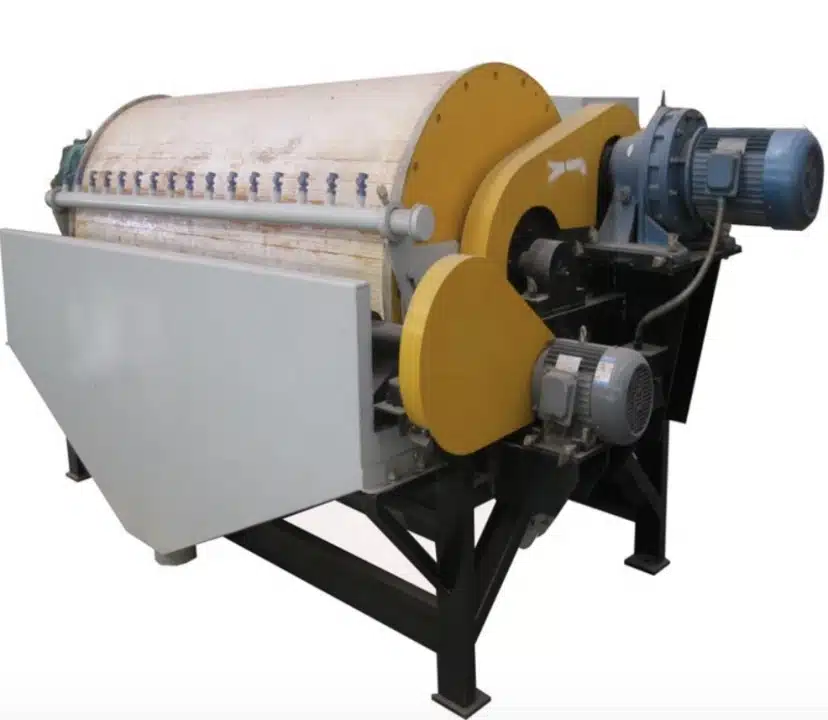
Integrated magnetic separation and eddy current separation technologies effectively separate metals from non-metallic impurities; our automated systems ensure high throughput while maintaining low energy footprints through intelligent design principles.
Our customized shredder machines are built using wear-resistant blades developed in-house—ideal for pre-processing large volumes of ferrous/non-ferrous metals before final crushing stages.
MAXIM machinery’s hydraulic balers compress processed scrap into dense blocks ready for smelting—reducing storage space while improving transport efficiency downstream.
From lithium battery recycling lines to e-waste dismantling solutions—we provide end-to-end resource recovery tools designed around environmental compliance standards.
With the mission of "Enabling Environmental Protection with Machinery, Creating Value with Recycling," we will continue to deepen our efforts in the field of environmental recycling equipment.
FAQ :
A: Depending on model size and material input type, industrial-grade machines may consume between 250–800+ kilowatts per hour during full-load operation.
A: Yes—regular maintenance like blade sharpening plus installing a VFD can significantly improve efficiency without needing a new machine.
A: Electric systems generally offer better energy efficiency; however hydraulic models provide higher torque useful for tougher materials—selection depends on your specific needs.
A: Absolutely—MAXIM machinery specializes in customized shredder machines tailored according to your site dimensions, material types, capacity needs & regulatory requirements.
A: Yes—all machinery equipment from MAXIM machinery complies with national environmental regulations including dust/noise/wastewater emission standards certified by third-party testing bodies.
Explore EV battery recycling technologies, regulations and closed-loop solutions for industrial stakeholders.
