
As electric vehicles (EVs) grow more common, the ecological effects of wrong disposal of lithium-ion batteries are turning into a bigger worry. These batteries hold useful but dangerous substances like lithium, cobalt, and nickel. If not managed properly, they can cause dirt and water pollution. Also, pulling out fresh materials for new batteries uses a lot of resources. It harms the environment, too.
Recycling these electric vehicle batteries cuts down on ecological damage. It also gives a financial benefit by getting back precious metals. Recycling EV batteries lowers reliance on mining raw materials. It helps keep supply chains steady in the EV sector.
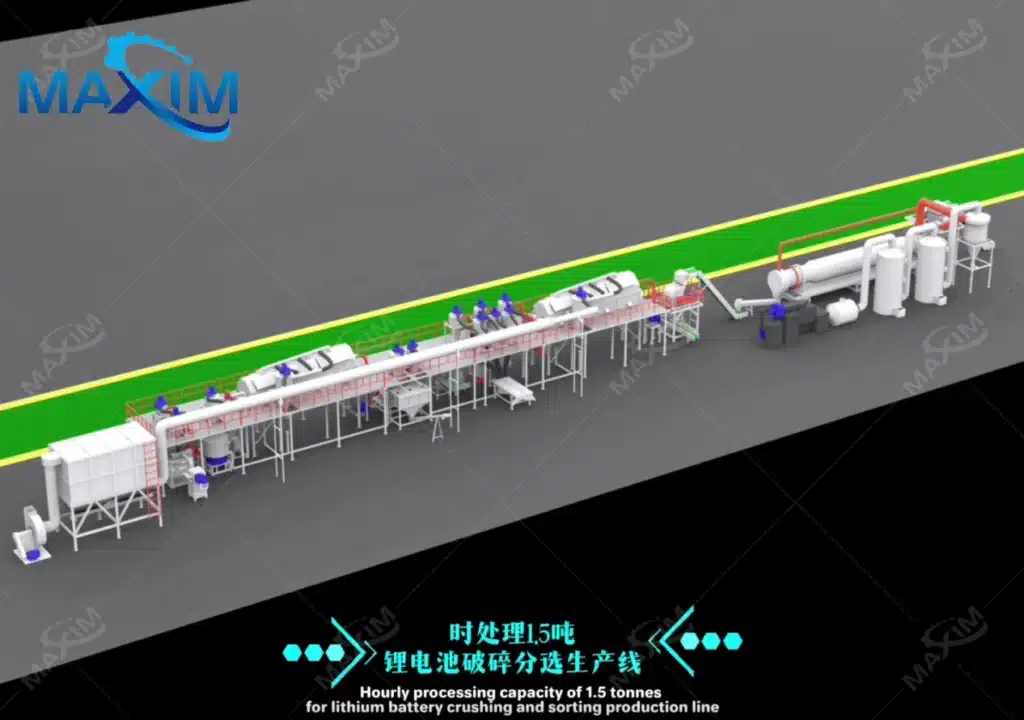
With worldwide EV use speeding up, lasting answers for vehicle battery recycling are no longer just choices anymore. They are vital. Governments and businesses are putting money into tech that backs a circular economy. In this setup, resources get reused rather than thrown away. Firms like Henan MAXIM machinery equipment Co., Ltd. lead this shift. We provide cutting-edge recycling EV-battery setups that handle both Eco rules and work efficiency.
When an electric vehicle battery hits the end of its working life, it goes through gathering at approved spots or from recycling electric vehicle batteries manufacturers. These batteries then get grouped by their makeup—such as ternary lithium or lithium iron phosphate—and state. Right grouping makes sure each battery kind gets treated with the best way for top material pullback.
Not every worn EV battery heads right to recycling plants. Many keep enough power for easier tasks like energy hold systems or spare power units. This extra-life use stretches the battery's working time before it joins the recycling flow. Thus, it boosts its full worth.
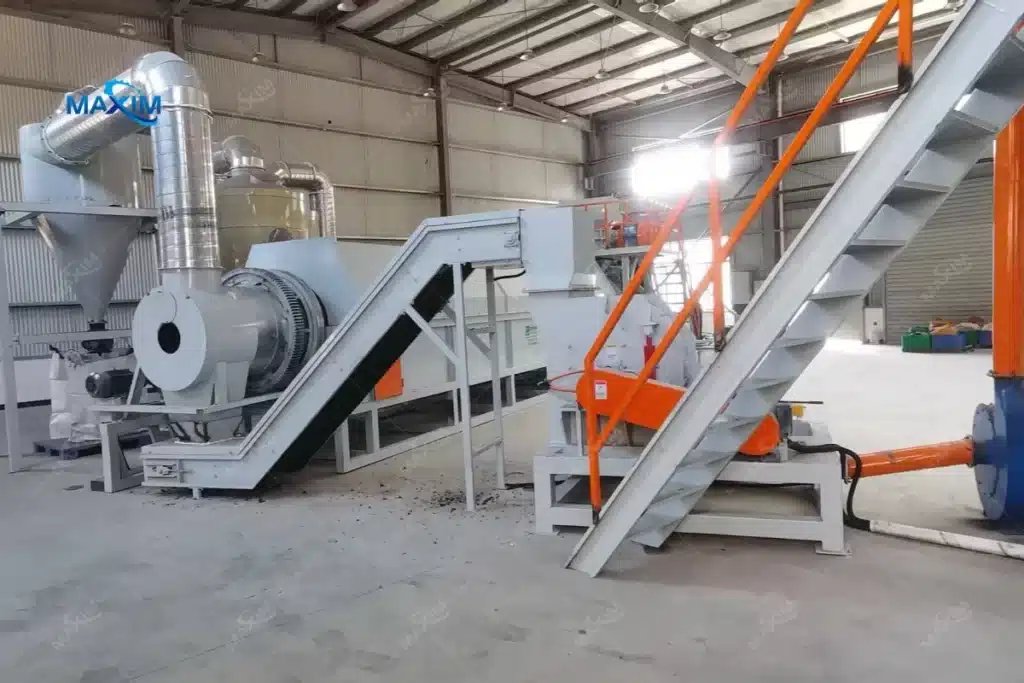
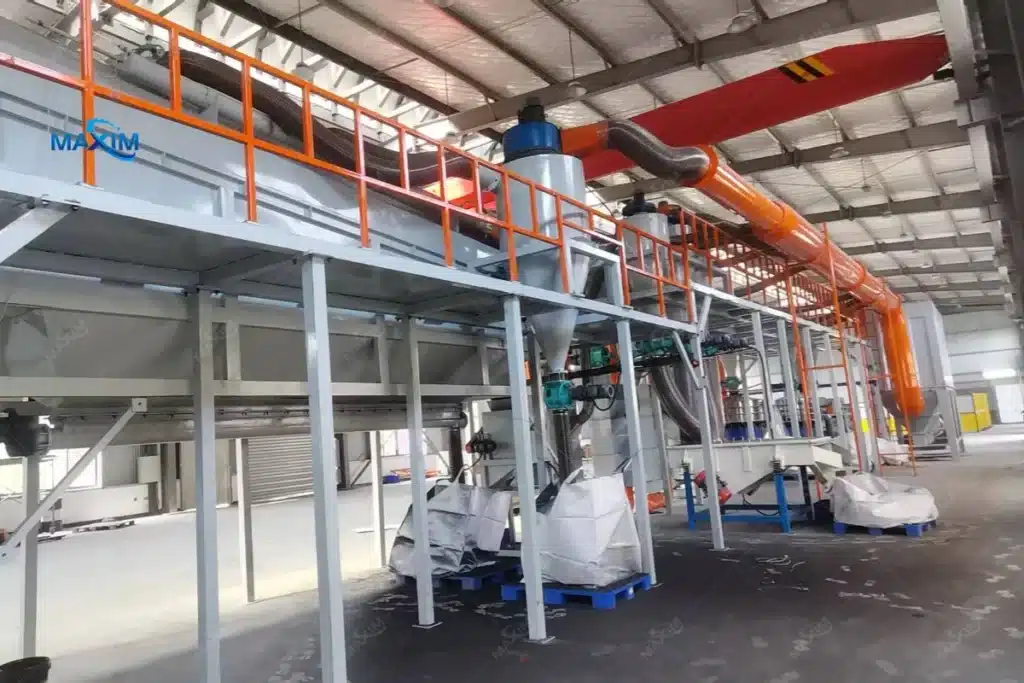
Current vehicle battery recycling ways often begin with machine steps like tearing and smashing to split battery packs into easy parts. MAXIM machinery’s lithium battery recycling line has full closed-loop handling (Pre-shredding-crushing - sorting) that fits Eco release rules. This phase covers plastics, electrode materials, and current collectors.
Hydrometallurgical processes come next. They use chemical soaking to pull out key metals like lithium, cobalt, and nickel from the smashed stuff. These ways give high pullback rates with fewer releases than the old melting methods.
Pyrometallurgy utilizes high-temperature melting to extract metals from batteries. While suitable for some items, such as cobalt and nickel, this method requires a lot of energy. It is less good at getting lithium. Plus, it makes more greenhouse gas releases than hydrometallurgical options.
EV batteries have a span of pullback materials key to future battery making. These cover:
-Lithium: Vital for new battery building.
-Nickel: Boosts energy thickness.
-Cobalt: Improves steadiness.
-Copper & Aluminum: Used in current collectors.
MAXIM machinery’s gear allows smooth splitting and resource reuse of key parts such as battery cells, electrode materials, and metals. This raises the total pullback worth.
Even with tech progress, hurdles stay in splitting close-tied parts without lowering the material grade. Changes in battery build also make auto pull-apart steps harder.
Battery packs differ a lot in build and makeup based on maker specs. This range needs bendy systems that can adjust to various forms without losing speed. This is a hurdle MAXIM machinery tackles via made-to-fit recycling answers. They are shaped by client output needs, material traits, and spot setups.
Lithium-ion batteries bring fire dangers when hurt or wrongly managed in move or handling stages. Top safety rules must blend into each step. This goes from draining before taking apart to inert air tearing. It stops heat runaway events.
Big startup costs tied to special gear can block wide use of vehicle battery recycling tech. However, firms like MAXIM machinery balance these costs. We give smart control systems that cut manual work and back far-off watch and provide fault alerts. Thus, MAXIM machinery drops long-run running costs.
Building EV batteries with modularity in view lets easy pull-apart in end-of-life handling. Standard modules can be split fast into single cells or parts without too much work or risk.
Adding recyclable items like aluminum covers instead of mixed plastics boosts recycle-ability levels. Makers who think about end-of-life care in design add a lot to a greener life cycle for EVs.
Nations in Europe, Asia, and North America have set rules that order careful end-of-life care for EV batteries. Extended Producer Responsibility (EPR) laws make sure makers take blame for their goods even after the buyer's use stops.
China’s dual carbon goals have also sparked funding into green tech. This is a field where MAXIM machinery fits well with the country's aims. It pushes green and lasting growth via MAXIM machinery’s high-end machine offerings.
Many firms worldwide aim to grow high-speed recycling plants. They use AI-led auto or closed-loop chemical steps. Among them is MAXIM machinery with the tech power. Core parts like shredder blades and sorting systems are built on our own. MAXIM machinery’s duration of equipment beats sector norms.
Centering on "resource recycling," MAXIM machinery focuses on study, growth, and making of eco-friendly recycling machines. Our goal—"Enabling Environmental Protection with Machinery, Creating Value with Recycling"—sets this as a main helper toward a circular economy around electric mobility answers.
MAXIM machinery’s lithium battery recycling line fixes tough spots like hard recycling, high dirt levels, and resource loss. MAXIM machinery uses a full closed-loop system covering pre-shredding, crushing and sorting. All fit release rules. Machines from MAXIM machinery pull electrode materials well from both ternary lithium-ion cells and LFP chemistry.
The system backs bendy size changes. This makes recycling equipment great for work, from small test lines to big plant pots needing flow tailored to customers’ options.
Past vehicle battery recycling answers, MAXIM machinery gives:
lA scrap metal recycling production line that hits "crushing - impurity removal - sorting - forming" for ferrous/non-ferrous metals.
lAn e-waste processing line aiming at circuit boards & electronics with exact metal pullback.
lSystems made just for mixed waste flows, including plastics & kitchen waste via air/magnetic split ways.
Each answer comes as a made-to-fit production line setup shaped by exact spot setups. It ensures top output speed while cutting waste low.
A: Modern technologies allow over 90% of valuable metals like lithium, cobalt, nickel and copper to be recovered from EV batteries using mechanical-hydrometallurgical processes offered by companies like MAXIM machinery.
A: Improper disposal can lead to soil/water contamination due to toxic elements like lead or cadmium present inside some older chemistries; fire risks also increase if damaged cells aren't safely neutralized first.
A: Yes! Many used EV batteries still retain enough charge capacity for stationary energy storage applications before entering final material recovery phases at facilities like those powered by MAXIM machinery’s customized lines.
A: It features fully enclosed systems, flexible PLC controls for different chemistries, strict environmental compliance, and customization to meet client needs. MAXIM machinery’s equipment is a prime example.
A: Absolutely! With scalable designs ranging from wide capacity lines tailored to customer requirements, even small recyclers can adopt cost-effective solutions using MAXIM machinery’s technology suite.
Discover how integrated lithium battery recycling equipment enhances plant safety, automation, metal recovery rates, and operational efficiency while supporting large-scale, eco-friendly battery recycling production lines.
