
Selecting an industrial metal shredder is a vital choice for any firm in metal recycling. From handling speed to power use, each part of the device affects running expenses and future greenness. One of the basic picks you will meet is choosing between hydraulic and electric-driven shredders.
Hydraulic industrial metal shredders apply fluid force to run their slicing tools. These devices are noted for giving strong torque at slow paces. This makes them perfect for dealing with thick or large scrap metals. On the other hand, electric shredders apply motors that run on electricity. They give quicker running speeds and more exact control setups.
Both kinds are often used in current recycling spots. But their fit depends a lot on your exact work needs.
The power source not only sets how a shredder works. It also impacts upkeep plans, power prices, environmental harm, and safety rules. For firms seeking to boost output while cutting stops and releases, this pick can greatly affect total earnings.

Hydraulic shredders such as hydraulic twin-shaft shredders are liked when top torque is needed. They do well at handling thick or hard items like engine blocks or steel beams. Electric types give less torque. But they make up for it with faster spin speeds and steady work across lighter metals.
For works dealing with blended items such as copper wires, aluminum cans, or light steel sheets, electric shredders offer quicker round times. However, “the production line is highly automated, with a processing capacity of 10-50 tons/hour”, which shows that MAXIM machinery’s solutions—whether hydraulic or electric—are built to handle high-volume loads efficiently.
Electric shredders tend to be more effective in ongoing use cases. This is due to fewer shifting parts and less heat creation. Hydraulic types may need cooling setups during long runs. But they give unmatched power when breaking down very hard items.
Hydraulic systems include pumps, valves, hoses, and cylinders. All of these face wear over time. Leaks and force drop can happen if not kept well. However, “core components (such as shredder blades and sorting systems) are independently developed, with wear and impact resistance exceeding industry standards.” This makes MAXIM machinery’s hydraulic units more durable than many off-the-shelf alternatives.
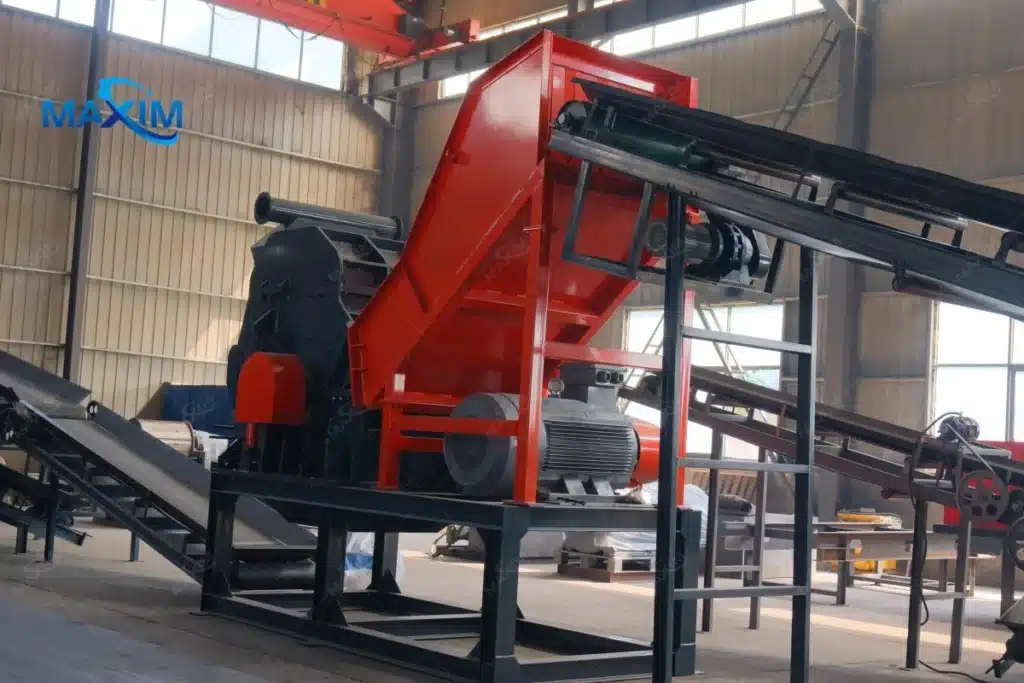
Industrial electric shredders have fewer machine parts. But they depend on motors and electronic control systems. These parts usually last longer. However, they can cost a lot when a swap is required. MAXIM machinery blends PLC control systems that aid remote watch and fault alerts. This helps cut sudden upkeep prices.
Hydraulic fixes often need special workers and longer stops. This is due to fluid cleanup or part swap. On the flip side, electric types give faster checks via blended software tools.
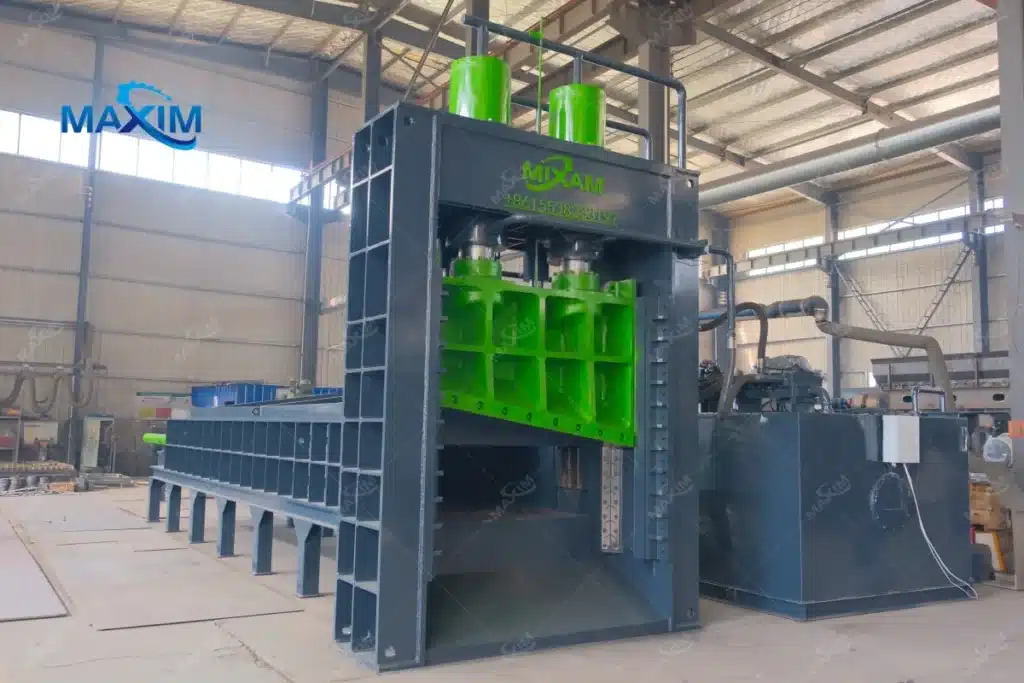
Electric industrial metal shredders use power straight from the grid. This is usually more effective than running hydraulic pumps all the time. In contrast, hydraulic units need regular fluid additions and filter setups. These add to running prices.
While hydraulic machines may have lower start prices for high-torque uses, electric types often show more cheap over time. This is due to lower upkeep needs and power speed. This is true mainly when paired with MAXIM machinery’s smart control tech that cuts hand input.
Both kinds of shredders come with sudden stop buttons and overload sensors. However, electric types usually blend these into digital screens. These allow real-time watching. This is a standard trait in MAXIM machinery’s product lines.
Electric shredders give better exactness thanks to advanced motor controllers. These adjust speed based on load states. While hydraulic units can be controlled via pressure changes, they lack the fine-tuned quickness of electric drives. This is unless paired with complex valve systems.
Hydraulic units often need extra room for tanks, pumps, and cooling setups. Electric types have a smaller spot. But they may need a better electrical setup based on motor size.
MAXIM machinery offers “customized according to customer production capacity requirements, material characteristics, and site conditions,” ensuring optimal equipment layout regardless of power type.
Setting up a hydraulic shredder involves pipes for fluid lines plus electrical links for control panels. Electric units make setup simple by focusing only on electrical supply needs. But they may need higher amperage paths.
Hydraulic oil leaks pose nature risk if not held well. Disposal of used fluids must follow strict rules. This worry is lessened by picking green-compliant gear like that from MAXIM machinery that “comply with national regulations such as the ‘Law on the Prevention and Control of Environmental Pollution by Solid Waste.’”
Electric shredders run quieter than hydraulics. This is a big plus in city or inside spots where sound dirt matters. Their direct-drive ways also turn into better power speed per ton handled.
If your work handles heavy-duty ferrous metals or large amounts needing brute force crushing power, a hydraulic shredder might fit more. For finer items like aluminum cans or copper wire bundles handled at high speed, an electric type gives better output steadiness.
MAXIM machinery’s scrap metal recycling production line “achieves ‘crushing - impurity removal - sorting - forming’ for metal waste,” providing flexibility across both system types depending on your material stream.
While first spending may lean toward one kind based on money limits, think of lifecycle prices. These include power use, upkeep rate, and spare parts supply. And how tailored answers from MAXIM machinery can balance these factors via fitted engineering plans.
Henan MAXIM machinery equipment Co., Ltd. is committed to new ideas, design, and the making of self-designed and grown gears. Our industrial metal shredder machines blend smart controls. These cut-hand work while boosting uptime via real-time fault-finding systems.
We aim to give ongoing value: from the start, a chance to project setup, and through the product life. This full-life service ensures a smooth blend into your current works with the least break.
MAXIM machinery gives both single-shaft pre-shredders for rough crushing as well as twin-shaft designs tuned for a steady particle size cut. Each is open as a tailored shredder machine choice fitted around your feed type.
Beyond shredding answers alone,“integrated magnetic separation and eddy current separation technologies effectively separate metals from non-metallic impurities.” This ensures higher purity levels post-processing—critical when selling recycled metals into smelting markets or OEM supply chains.
A: A hydraulic shredder uses fluid pressure for high torque applications like dense metal scrap; an electric shredder uses motors offering faster speeds ideal for lighter materials with greater precision control.
A: Electric shredders are generally better suited for continuous use due to fewer moving parts generating less heat during long shifts.
A: Yes, for MAXIM machinery, “we tailor production line layout and equipment parameters” based on material characteristics, capacity needs (customer needs), site dimensions—ensuring no one-size-fits-all solution is applied.
A: Electric models typically consume less energy over time since they don’t require constant fluid pumping like hydraulics do; this translates into lower operating costs long-term.
A: The shredders include emergency stop functions, overload protection in electric models, and intelligent PLC systems with remote monitoring for enhanced safety. MAXIM machinery’s machines offer these advanced features.
Discover how integrated lithium battery recycling equipment enhances plant safety, automation, metal recovery rates, and operational efficiency while supporting large-scale, eco-friendly battery recycling production lines.
