
Industrial shredders hold a key part in the waste management system. They help with effective size cutting and material preparation. A plastic shredder machine for recycling, for instance, breaks down big plastic parts like PET bottles, HDPE containers, and PVC pipes into smaller, easier-to-handle pieces. This first step in size cutting is important. It makes later steps like washing, sorting, or pelletizing simpler.
Good shredding boosts the recovery rate of reusable materials. It does this by raising surface area contact, which allows better separation and cleaning. Whether it is used packaging from consumers or waste from factory production, well-shredded materials can be sorted and handled more easily for reuse.
Also, current environmental rules demand that companies follow tough sustainability and emissions guidelines. Our reliable, smart, and eco-friendly tools help companies cut expenses and boost output. They support green and lasting growth. Businesses can add industrial plastic waste shredder systems to their work. This lets them meet these rules while improving material recovery.
Industrial shredders find broad use in many fields. In the plastics sector, they deal with factory scraps, packaging waste, and faulty items. Metal recyclers rely on strong units to shred aluminum, steel, and copper parts. Wood and paper sites use shredders to handle pallets, cardboard, and document shredding.
In areas that need safe disposal, like healthcare, defense, and finance, industrial shredders make sure sensitive items are destroyed completely. A plastic waste shredder machine with a set output size often works to ruin fake products or private packaging.
It fits mixed waste, kitchen waste, and plastic waste. Experts use screening, air separation, and magnetic separation together. This way, recyclables like plastics, metals, and paper get pulled from non-recyclables. Secondary pollution drops. It meets city's environmental protection needs.
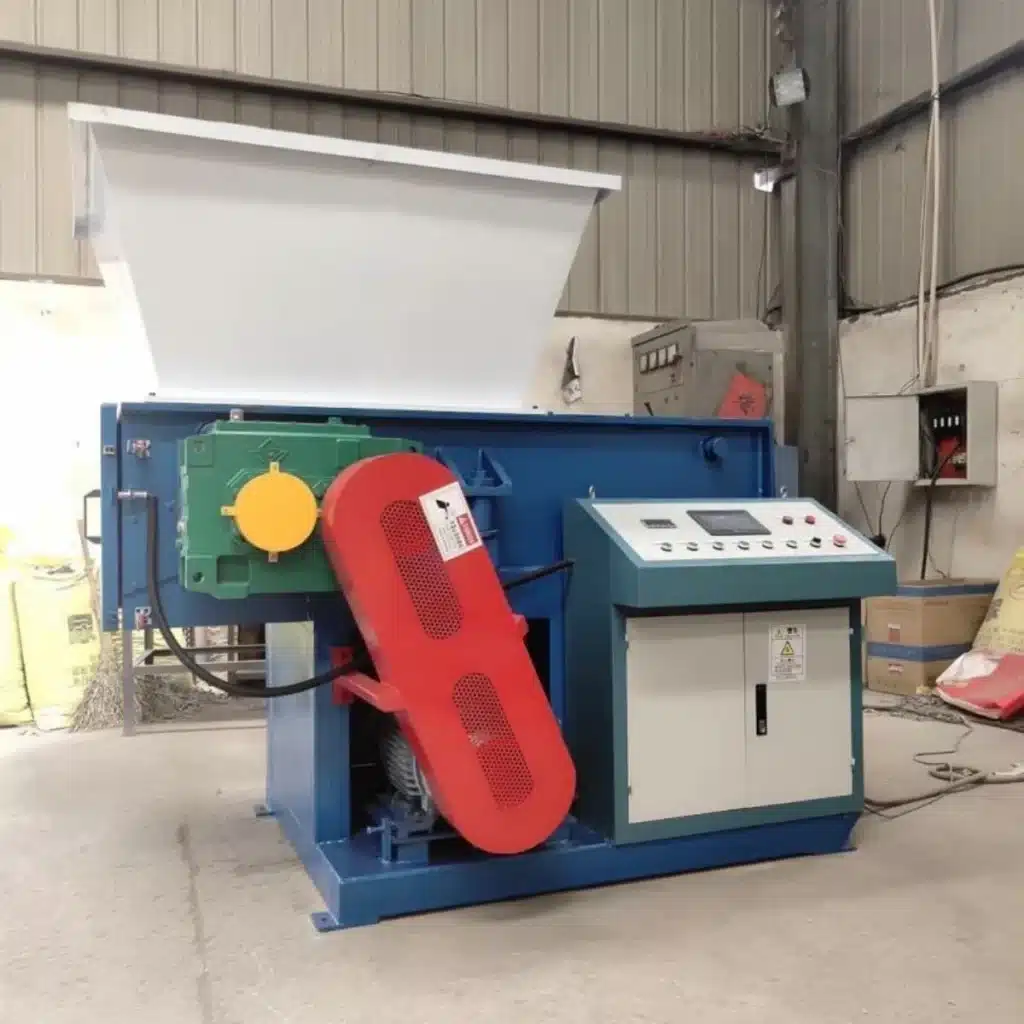
Single-shaft shredders suit light to medium tasks. They process plastic film, small molded parts, or thin containers. These shredders have a hydraulic pusher system. It keeps a steady feed into the rotor. This leads to even performance.
They create a steady output size. This helps a lot in steps that need more granulation or extrusion. So, they work well for jobs where later tools like granulators or pelletizers come into play.
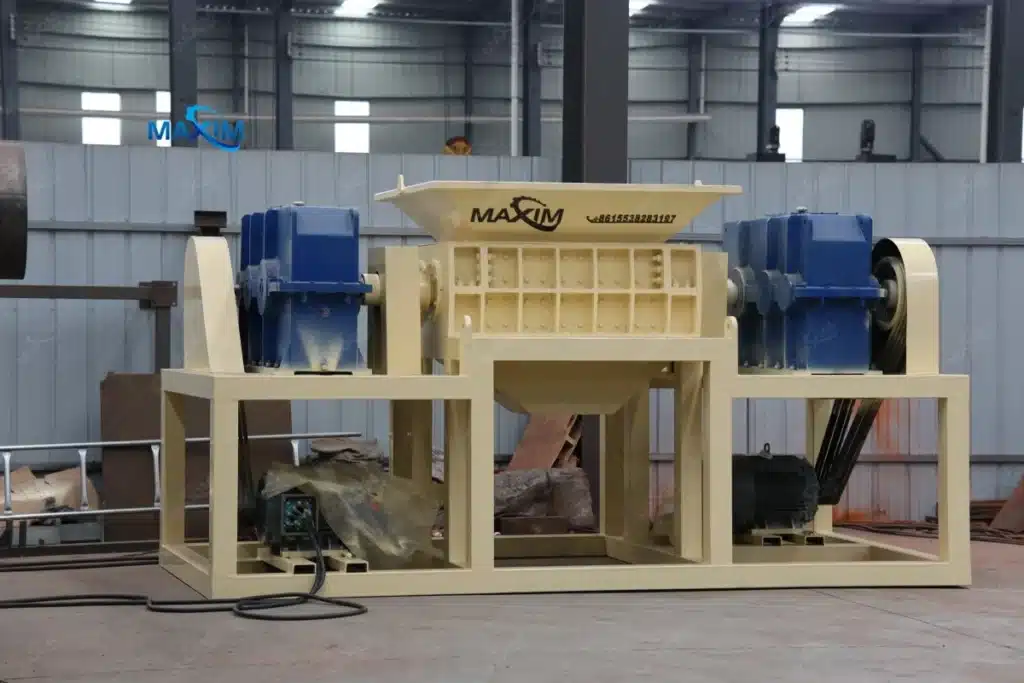
Double-shaft shredders are built to manage big and tough materials. Examples include large plastic drums, thick sheets, or building pipes. These machines run at slow speeds. Yet, they produce strong torque. As a result, they make little noise and last a long time.
People often use them as the first step in a multi-part recycling setup. For instance, in MAXIM machinery’s high-capacity metal recycling lines, integrated magnetic separation and eddy current separation technologies effectively separate metals from non-metallic impurities. The production line is highly automated. It has a processing capacity of 10-50 tons/hour. Such a throughput level works only with strong double-shaft shredders.
Four-shaft shredders give better accuracy and steadiness in particle size. They use built-in screening systems for this. They fit best for tricky recycling jobs. These jobs need tight output rules, like electronic waste or safe document destruction.
Their setup lets them make a set granule size in one go. This cuts the need for extra processing. That trait is very useful in recycling WEEE (Waste Electrical and Electronic Equipment). There, even particle size is key for later sorting.
Granulators and shredders have different roles in a recycling setup. Granulators aim to make very small flakes. But they need pre-shredded input. On the other hand, industrial plastic waste shredder machines focus on the first size cut of big or solid items.
In many systems, granulators come after shredders. They refine the material more. The choice between them relies on the material kind, desired output size, and full system plan.
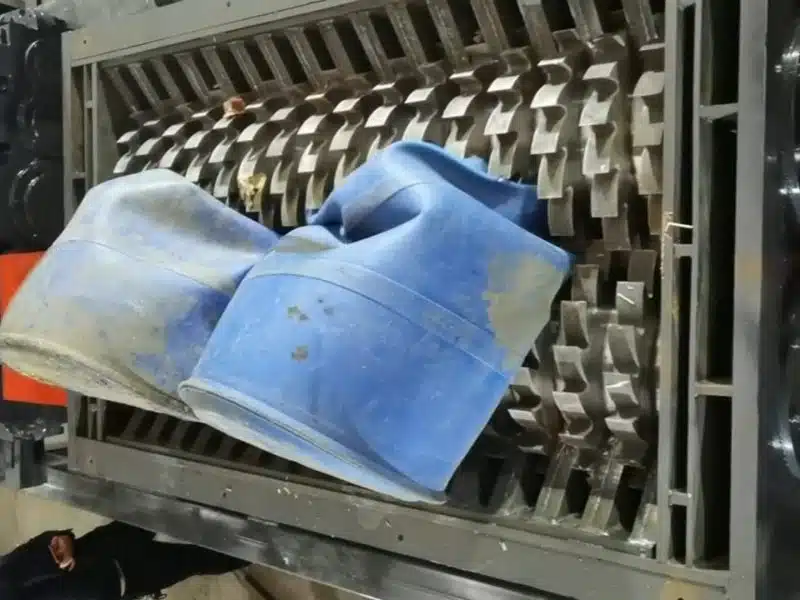
The rotor forms the core of any shredder. Rotor speed sets the throughput. It also impacts cutting power. Blade setups vary by input material. Hook-shaped blades grab soft plastics. Flat blades suit hard plastics.
MAXIM machinery uses tough materials for its shredding blades. Core components like shredder blades and sorting systems come from our own development. Their wear and impact resistance go beyond industry norms.
Screens manage the final particle size. They let only well-shredded material pass. Swap-out screens give workers options. This lets a plastic shredder machine fit different jobs. It covers rough pre-shredding to small granulation.
Hydraulic drives fit heavy tasks well. They offer high torque, which works for stiff plastics or metal-mixed composites. Electric motors, however, give better energy use and less upkeep. They suit steady-run settings.
MAXIM machinery provides both choices based on customer needs.
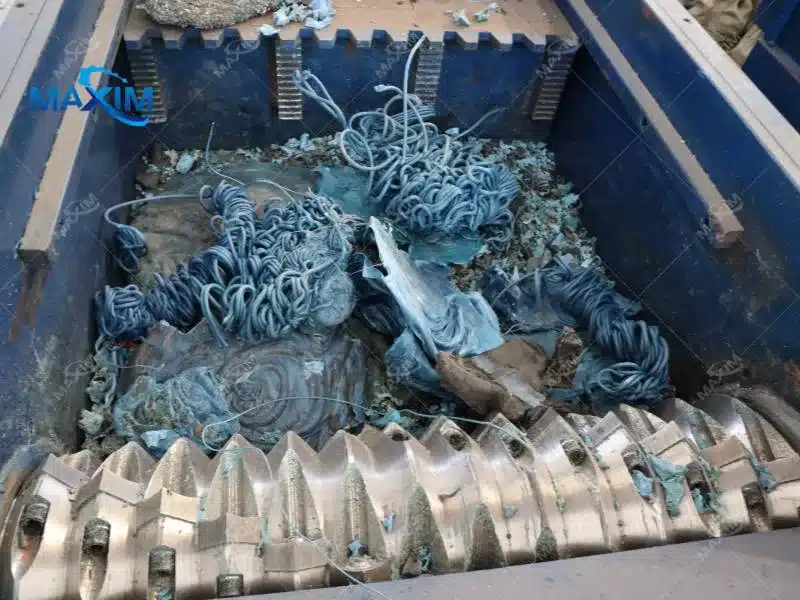
Before picking a shredder model, define the plastic types involved. PET bottles need different cutting action than thick PVC pipes or LDPE films. Also, think about whether the plastics have food leftovers or sticky residues.
MAXIM machinery provides customized recycling and processing solutions for various sectors. Each plastic shredder machine adapts to handle certain input materials well.
Large sites may need strong continuous-feed double-shaft machines. These can handle several tons per hour. Smaller sites might gain from small single-shaft designs with batch feeding.
MAXIM machinery can provide customized solutions according to customer production capacity requirements (1-100 tons/hour). This ensures no waste on too much or too little equipment.
If the aim is straight extrusion or pelletizing, finer flakes are needed. Get them through extra granulation or small screens. MAXIM machinery’s combined systems can add both shredding and granulating steps. They base this on client needs.
Blades wear from rough materials like fiberglass-filled plastics. Routine checks keep productivity up. They avoid drops from blunt edges. Toughened steel blades stretch the time between swaps.
To avoid mixing between types, especially in food or medical recycling, set cleaning steps. Do this when changing plastic kinds or colors.
MAXIM machinery’s PLC control systems send alerts for cleaning times. They also keep operational records for rule following.
Modern industrial plastic waste shredder machines have live overload checks. These stop work if odd items show up. They prevent expensive harm and keep workers safe.
MAXIM machinery's designs have full covers. The machine shields staff from flying bits. They also cut dust release during runs. This matters most with light plastics that send out tiny air particles.
Henan MAXIM Machinery Equipment Co., Ltd. focuses on new ideas, planning, and making of self-made equipment. Our plastic shredder machine models fit PET bottles, LDPE films, PVC profiles, HDPE tanks, and more. Customization works at every step.
MAXIM machinery’s high-torque machines manage factory-level loads simply. Whether you process molded parts or thick containers, our double-shaft plastic shredder machines give solid work all day.
Our lineup has full systems that mix shredding with washing or pelletizing. We also offer mobile units for spot recycling at build sites or far-off places.
We offer a full-service plan. It covers "preliminary consultation - solution design - equipment production - installation and commissioning - personnel training - after-sales maintenance." Clients get worldwide help networks and quick spare parts access.
A: Industrial plastic shredders break down large plastic items into smaller pieces, making them easier to recycle. They can handle a variety of plastics, from bottles to large molded parts.
A: Single-shaft shredders are for light plastics like films, while double-shaft shredders handle tougher materials like thick sheets and large items. Many manufacturers, including MAXIM machinery, can recommend the right option for your needs.
A: Yes, shredders can be customized for different production capacities, material types, and site conditions. Brands like MAXIM machinery offer tailored solutions to meet unique operational requirements.
A: Regular blade checks and cleaning between material switches are essential. Some machines, like those from MAXIM machinery, include remote monitoring to alert operators when maintenance is needed.
A: Yes, shredders comply with environmental regulations and emissions standards. Brands like MAXIM machinery ensure their equipment meets national environmental laws and certifications.
Discover how integrated lithium battery recycling equipment enhances plant safety, automation, metal recovery rates, and operational efficiency while supporting large-scale, eco-friendly battery recycling production lines.
