
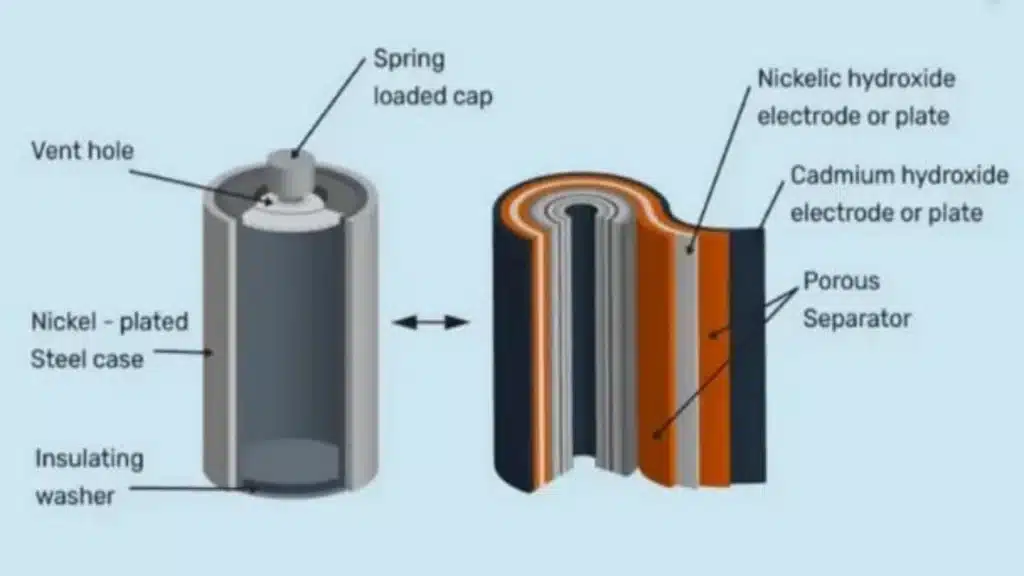
Inside lithium-ion batteries you will find key parts - one pulls electrons, another accepts them. Often made from lithium metal oxides, this part handles charging. Graphite fills the role of the other key component, acting during discharge. A layer keeps separation between parts while allowing movement. Liquid inside helps electron flow between materials. Made of a material that guides electricity, it supports connections across surfaces. What holds everything down also pushes change when needed. Energy lives inside lithium-ion cells, flowing out without much delay. From phones to electric cars, these units make things work today. Power moves through them quietly but steadily. Phones, laptops, and cars powered by electricity make up these tools.
Batteries using lithium ions beat out older kinds like nickel-cadmium or lead-acid models in several ways. In terms of energy density per unit volume, they far surpass other batteries. They also hold up over repeated charges instead of wearing down fast. They lose power slowly. Recharging them happens faster through lithium-ion chemistry. Because of these traits, lithium-ion cells run well in handheld gadgets along with workplace settings.
Lithium-ion batteries power devices ranging from cell phones to sizable energy-efficient systems. These batteries appear in nearly every part of everyday routines. Li-ion batteries prove vital for electric vehicles (EVs). They appear in solar and wind power storage systems. They show up in power tools, medical equipment, and many other uses. Their broad fit and output keep allowing fresh ideas in various sectors.
Lithium-ion batteries work by lithium ions moving from the anode to the cathode across an electrolyte. The battery discharges when lithium ions move from the anode to the cathode.Electrons move through the external circuit. This movement provides power at the same time. Charging takes place through the reverse process.
Each charge-discharge round includes ion movement. This slowly lowers battery capacity as time passes. Yet, lithium-ion batteries often handle hundreds to thousands of rounds before output falls a lot. This is why they get chosen for lasting uses.
Battery output can vary due to temperature fluctuations, charging rate, depth of discharge (DoD), and usage patterns. Proper management of these factors proves essential. Such management maintains optimal output and extends battery duration.
Despite their gains, lithium-ion batteries create safety threats like overheating, fire dangers, or even blasts if harmed or mishandled. These threats often come from thermal runaway. This is a series reaction triggered by too much heat or internal short circuits.
To lessen threats:
Maintaining moderate charge levels between 20% and 80% helps preserve battery health. Staying away from extreme heat matters just as much. When it comes to chargers, picking the right ones ensures everything runs without issues. Limit activities that draw heavy power. Extending how long lithium-ion batteries last happens mainly by following these steps.
Wrong lithium battery disposal may cause nature pollution due to harmful parts like cobalt or nickel seeping into the ground and water systems. It also makes fire threats in dumps or recycling spots when not managed properly.
When thrown away carelessly, lithium-ion batteries let out dangerous substances such as heavy metals. These can dirty natural systems. Plus, wrong disposal loses precious materials that could be taken back via recycling.
Customers ought to bring old batteries to certified collection points or permitted recycling facilities. Collection points and recycling facilities comply with national guidelines on hazardous waste management. Numerous cities offer drop-off locations or scheduled collections to ensure proper disposal.
Recycling covers several stages: emptying the battery without risk; machine shredding; division of parts like aluminum foil, copper foil; then chemical handling to pull out precious metals such as lithium cobalt oxide.
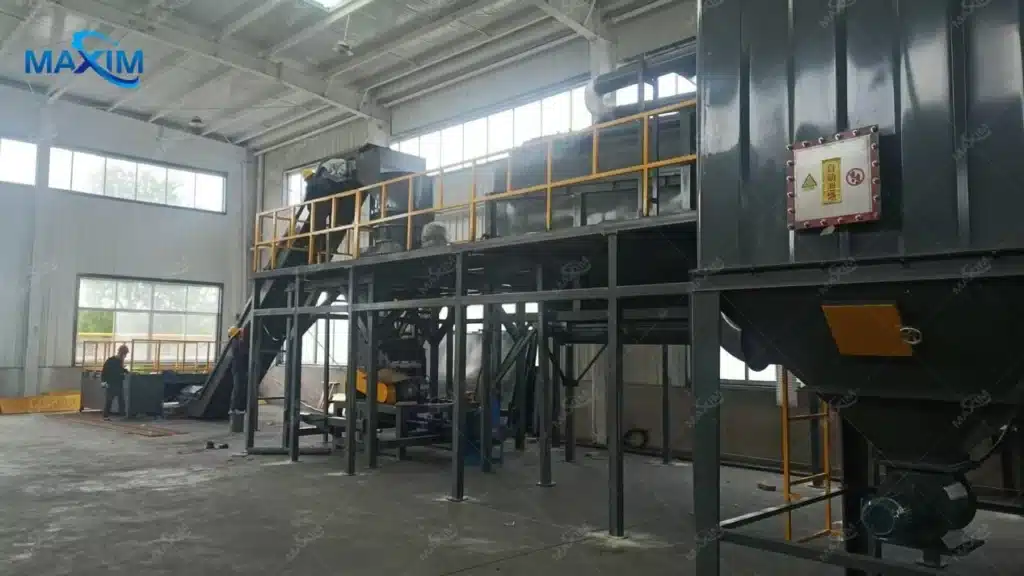
Henan MAXIM Machinery Equipment Co., Ltd. offers a customized lithium-ion battery recycling line designed for full closed-loop processing, including pre-shredding, crushing, and sorting phases that meet environmental emission standards.
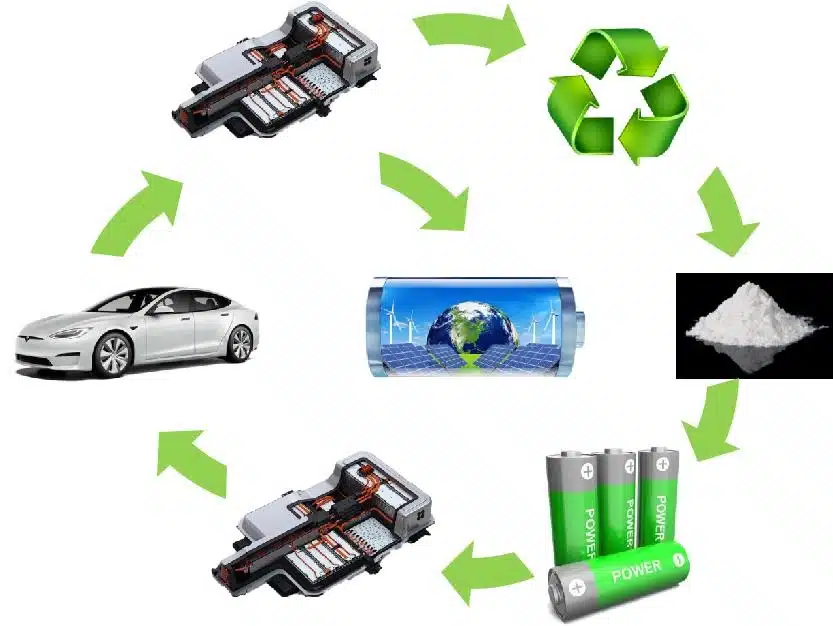
Recycling cuts reliance on raw material digging. This is a power-heavy action. It helps take back key materials like cobalt and nickel for use again in fresh batteries. This backs the circular economy's aims. At the same time, it lessens nature effect.
Our efficient, intelligent, and environmentally friendly equipment helps companies reduce costs and increase efficiency, promoting green development in the energy sector.
Challenges include changes in battery chemistries (e.g., ternary vs LFP), safety threats during taking apart stages, high work costs for hand division actions, and a lack of standard ways across makers. All these need advanced tech answers.
MAXIM machinery’s intelligent control reduces manual intervention while adapting flexibly to different battery types with scalable capacity options—addressing many industry pain points effectively.
Solid-state batteries swap liquid electrolytes with solid materials. These give higher safety edges (non-flammable). They provide a bigger energy density per unit. But they now face issues linked to cheap mass production and lasting stability.
New techs cover sodium-ion batteries (less costly raw parts), graphene-boosted cells (quicker charging), and silicon-based anodes (greater capacity). All aim to beat limits in usual lithium-ion plans. At the same time, they improve lasting profiles.
Henan MAXIM Machinery Equipment Co., Ltd. stands as a top producer that concentrates on resource recycling methods, such as lithium-ion battery recycling equipment. The company excels in research, development, and production of green recycling machines. It delivers complete project assistance that starts with initial advice and extends to post-sale upkeep.
Our customized solutions address post-decommission challenges like difficulty in recycling, high pollution levels, and resource loss by enabling efficient separation of electrode materials from casing metals under strict environmental compliance standards.
Every part of the setup follows rules like the country's law on stopping dirty trash pollution - each step from breaking things down to separating materials, runs safely, ending nowhere harmful after crushing.
In addition to our customized lithium battery recycling line, we offer:
Our customized solutions ensure maximum efficiency tailored precisely to your operational needs—whether you're handling 1 ton or 100 tons per hour.
A: It can ignite fires due to residual charge inducing thermal runaway; it contains toxic metals harming ecosystems if spilled into a water source or the ground.
A: Yes—but diverse chemistries like LFP or NMC have proprietary processing techniques which MAXIM machinery's high-end lithium ion battery recycle equipment can efficiently process in modular setup configurations.
A: Businesses benefit from partnering with groups such as MAXIM machinery. These groups deliver complete custom solutions. Such partnerships guarantee secure processing. Partnerships also boost material reuse. Automated sorting systems play a key role here. These systems meet environmental rules.
A: Up to 95% with valuable constituents like cobalt/lithium/aluminum, depending on the technology used—MAXIM machinery's lines are designed specifically for high percent recovery yields with smart sorting technology.
A: You may contact Henan MAXIM Machinery Equipment Co., Ltd., a professional lithium- -ion battery recycling line custom manufacturer based on your production capacity and material type requirements.
Introduction The worldwide demand for small metal shredder machines continues to rise. Industries now pay close attention to effective scrap handling and reuse. Companies look for dependable places to buy a small metal shredder machine. These spots provide solid results and good value. Picking the proper vendor matters a lot. A top-notch small metal shredder for sale can excerpt …
