
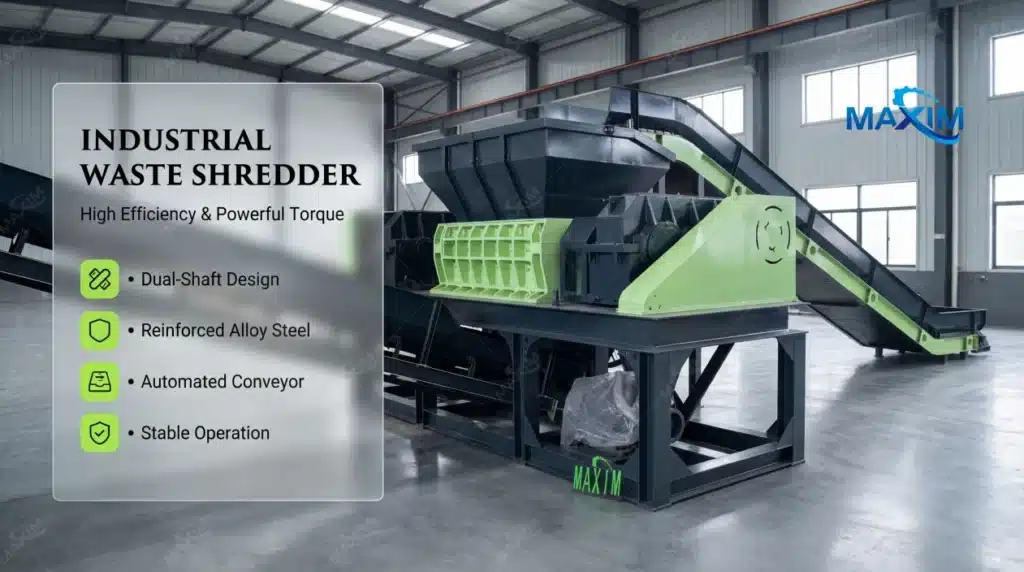
Industrial metal shredders serve as the main part of today's scrap recycling setups. These devices tear apart big, heavy items into tiny bits. That process makes moving, sorting, and melting easier. When operators shred car bodies, drums, and sheet metals, scrap volume falls by 70–90%. This drop raises recycling speed. Shredding with good results frees up room. Plus, it raises metal quality in the following steps of handling.
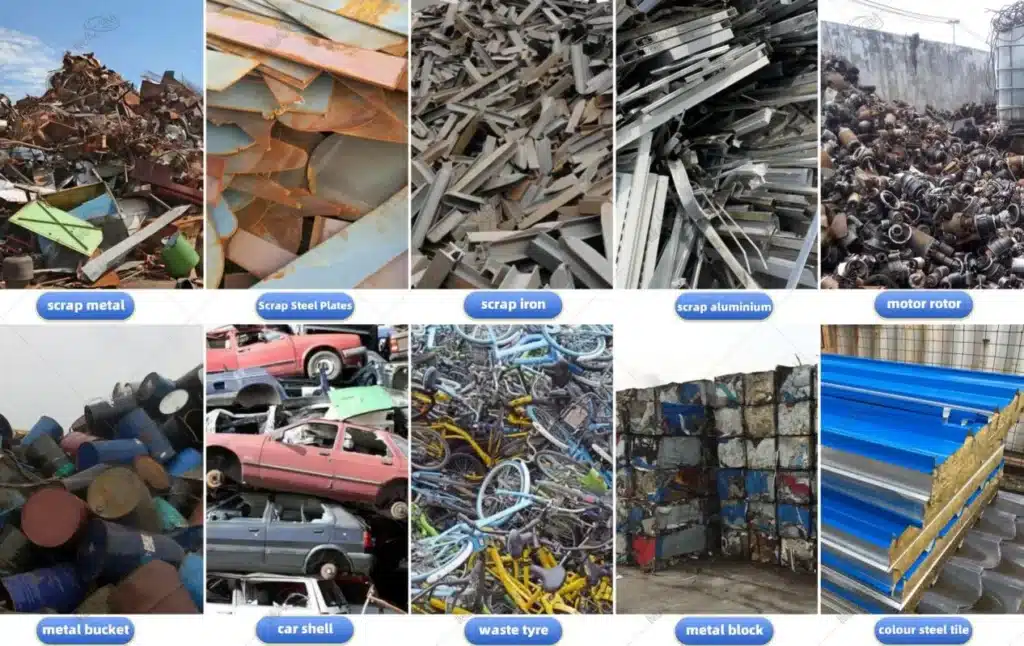
Industrial metal shredders see broad application in different fields:
These shredders handle items like car shells, aluminum profiles, steel plates, and pressed metal briquettes. Their flexible nature turns them into a key piece in full metal recycling production lines. Those lines mix crushing, sorting, and shaping tasks.
Capacity counts as a top point when picking a shredder for scrap work. Shredders built for industry usually handle from several tons each hour up to 50 tons per hour. Motor strength and chamber dimensions set this limit. Take the MAXIM machinery double-shaft shredder, for instance. It provides adaptable setups that work well for medium-sized jobs and big factory runs alike.
Shredders for tough jobs need to handle nonstop work in hard settings. Important parts of the build cover blades that resist wear, strong chambers for shredding, and drives with high torque. Those elements guarantee reliable output. Core parts, like shredder blades and sorting setups, get their own creation. Resistance to wear and hits goes beyond normal levels in the field. That approach gives a long working time, even with rough metals such as steel or copper.
Today's industrial shredders usually have PLC intelligent control systems. These systems handle changes in feed speed and guard against overloads on their own. The gear includes a PLC control setup. That setup allows watching from afar and alerts for problems. Such options cut costs for running and upkeep. Smart automation like this shortens stop times. It raises safety levels too, right through ongoing runs.
The MAXIM machinery double-shaft metal shredder handles demanding tasks. Examples include taking apart car shells, smashing diesel drums, ripping thin steel plates, and breaking briquettes. Dual shafts with high torque pull materials apart into chunks from 3 to 10 cm wide. The exact size varies with the setup chosen. Output runs from 2–60 tons per hour. So, this unit suits smaller recycling outfits and full factory scales. Key benefits include strong output rates, good resistance to wear, even running without breaks, and quiet sound. Those points fit it perfectly for smooth scrap handling chains.
The MAXIM machinery hammer shredder suits breaking light metals. Think of items like home appliances, waste steel sheets, or aluminum shapes. Rotating hammers smash materials down to small bits. Those bits prepare well for magnetic pulls or eddy current picks. This shredder style fits common spots such as:
The hammer setup keeps particle sizes even. At the same time, it holds onto solid energy use.
The pre-shredder fills the starting role in a full metal recycling line. It readies big materials for extra steps later. This unit deals with blended factory waste or huge scrap cars. A dual-shaft build at low speed cuts down on dust output. High torque from the pre-shredder keeps handling of tricky metal forms safe. No blocks or big shakes occur. Those features turn it into a must-have for auto recycling flows.
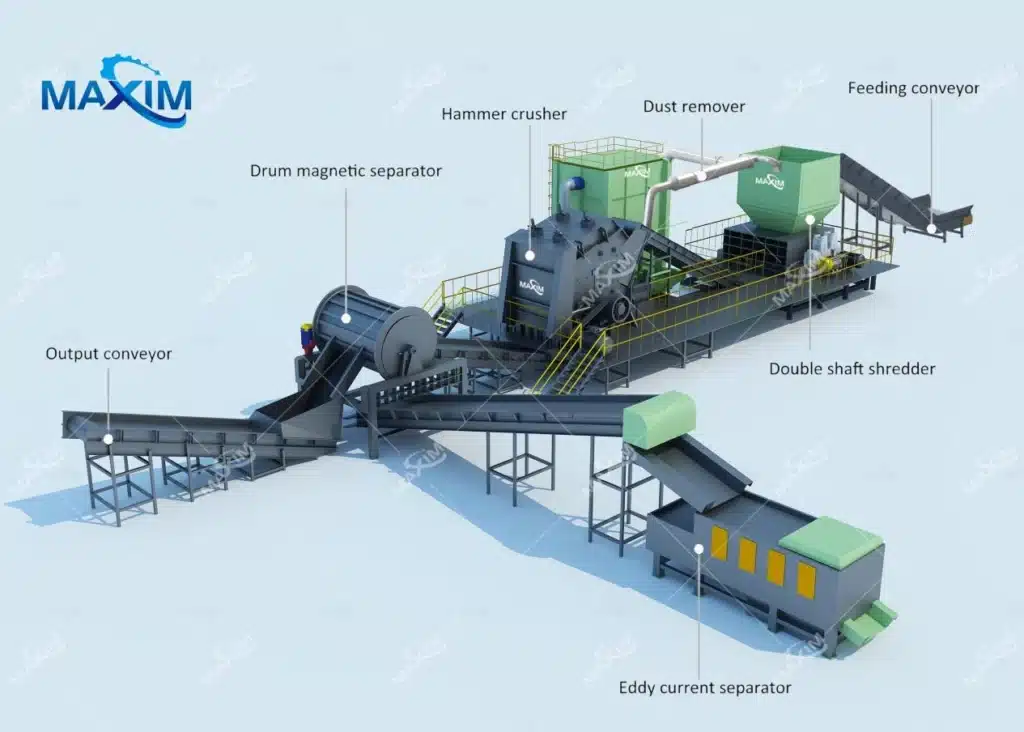
A full metal recycling setup does more than just shred. It often links up with:
Scrap Metal Recycling Production Line reaches "crushing - impurity removal - sorting - forming" for metal scraps. That covers waste steel, aluminum alloy, and copper. Magnetic and eddy current separation methods blend in well. They pull metals away from non-metal bits with good results. The line runs with strong auto features. Capacity hits 10–50 tons per hour. Linking these parts builds a total auto process. Recovery gets better, and handwork costs drop.
Changes in digital tools shape what comes next for factory machines. Smart shredders carry PLC-based auto systems now. They add far-off checks to watch for shakes, blade condition, or engine heat live. Smart parts like these set up maintenance ahead of time. That stops surprise halts. The plan keeps full run time for each load handled.
Sustainability holds a main spot in plans for scrap handling. Shredding metals well cuts waste sent to dumps. It pushes forward ideas of circular economies through the reuse of useful basics. We focus on "resource recycling." That drives our work in studying, building, and making gear for green recycling. Custom options help meet aims for eco growth. They fit rules on the environment too, like cutting noise and dust.
Picking the best shredder relies on a few main points:
Businesses that want custom results find big gains in tailored shredder units. Builders adjust them to fit needs for output, traits of materials, and ground setups. Working with solid makers like Henan MAXIM Machinery Equipment Co., Ltd. means projects get pro help in engineering. Support runs from the first talks to service after sales. Our one-stop plan includes "preliminary consultation - solution design - equipment production - installation and commissioning - personnel training - after-sales maintenance."
MAXIM machinery blends top tech with flexible custom builds. We give steady answers that boost output in every size of metal recycling work—from tiny shops to large plant operations.
A: A metal shredder breaks down bulky scrap into smaller pieces to facilitate easier transport, sorting, melting, or further processing within a recycling line.
A: A hammer shredder is ideal for light metals like appliances or aluminum sheets; a double-shaft shredder suits heavy-duty materials such as car shells or thick steel plates.
A: Yes. MAXIM machinery offers fully customized solutions based on material type, desired output size, plant layout constraints, and required capacity ranging up to 60 tons per hour.
A: Most modern units incorporate PLC intelligent controls with automatic overload protection systems to prevent mechanical damage during operation.
A: Automated control systems reduce manual intervention while enabling real-time monitoring of performance parameters — ensuring consistent output quality with minimal downtime.
Top Industrial Metal Shredders for Scrap Processing in 2026 Why Industrial Metal Shredders Are Essential in Scrap Recycling Reducing Scrap Volume and Improving Recycling Efficiency Industrial metal shredders serve as the main part of today’s scrap recycling setups. These devices tear apart big, heavy items into tiny bits. That process makes moving, sorting, and melting excerpt …
