
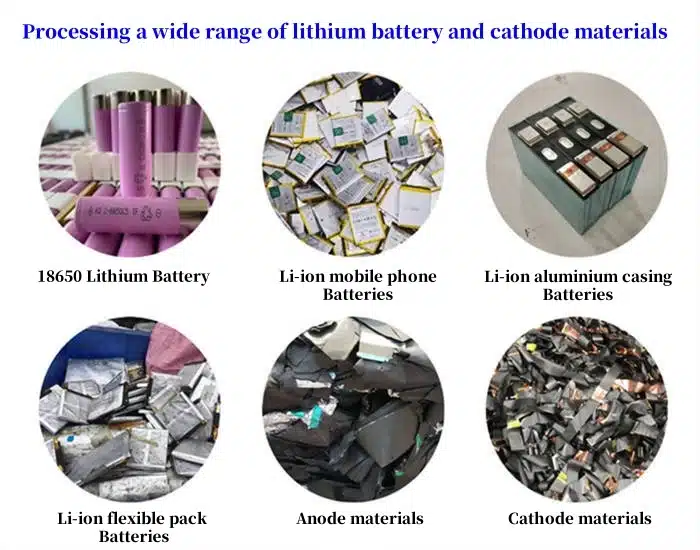
As electric vehicles (EVs) grow more common, the call for proper electric car battery disposal rises. Wrong disposal of lithium-ion batteries can cause major ecological dangers. This is due to heavy metals like cobalt, nickel, and lithium. These items can seep into ground and water setups. They lead to lasting nature harm.
From a money view, these batteries hold precious resources. These are getting rare and costly to dig up. Recycling electric car batteries lets us get back key raw items. It cuts need for fresh mining work. It backs a circular economy.
Focusing on "resource recycling," we specialize in the research and development and manufacturing of environmentally friendly recycling machinery, providing customized recycling and processing solutions for various sectors, including lithium batteries, metals, and solid waste.
With millions of EVs set to hit end-of-life soon, the amount of used batteries will jump. Without a planned electric vehicle battery recycling setup, this could cause rising waste care problems. Good systems are needed to handle gathering, handling, material get-back, and safe end disposal.
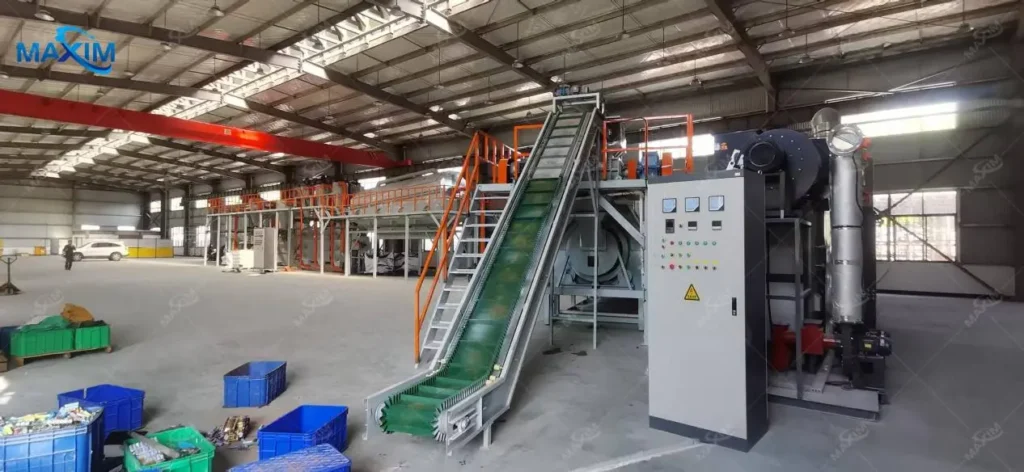
Used EV batteries are often gathered via approved sellers, battery swap spots, or end-of-life vehicle pull-apart centers. These places follow tight rules for storage and move. This is because of the easy-burn nature of lithium-based cells.
Not all EV batteries are the same. The two top kinds—ternary lithium (NMC) and lithium iron phosphate (LFP)—need varied care ways. Spotting battery makeup is key before handling starts.
Our efficient, intelligent, and environmentally friendly equipment helps companies reduce costs and increase efficiency, promoting green and sustainable development.
Before pull-apart or smashing starts in any EV battery recycling machine, it’s key to fully drain the battery cells. This stops short links or heat runaway happenings in machine handling stages.
Dealing with high-power batteries calls for strict safety rules. These include heat watch systems, blast-proof rooms, fire stop setups, and guard gear for workers.
The equipment is equipped with a PLC control system, supporting remote monitoring and fault warnings, reducing operation and maintenance costs.
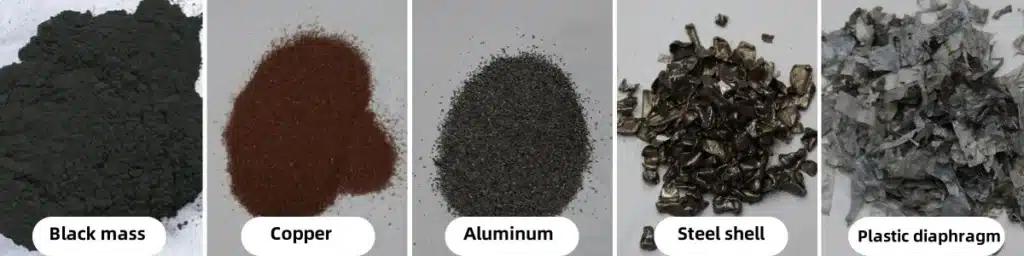
Once drained safely, the pull-apart process starts by taking off outer covers. Then, it splits modules into cells. Parts like aluminum foils, copper foils, plastic shells, bus-bars, electrolyte residue, electrode powder (black mass), and circuit boards get split in order.
Addresses the pain points of post-decommission lithium battery recycling, including "difficulty in recycling, high pollution levels, and resource waste," enabling efficient separation and resource reuse of valuable components such as battery cells, electrode materials, and metals.
MAXIM machinery offers automated dismantling lines that include shredders with wear-resistant blades designed specifically for lithium-ion cell structures. Our sorting systems use air flow separation combined with magnetic separation technologies to isolate various fractions efficiently.
Core components (such as shredder blades and sorting systems) are independently developed, with wear and impact resistance exceeding industry standards.
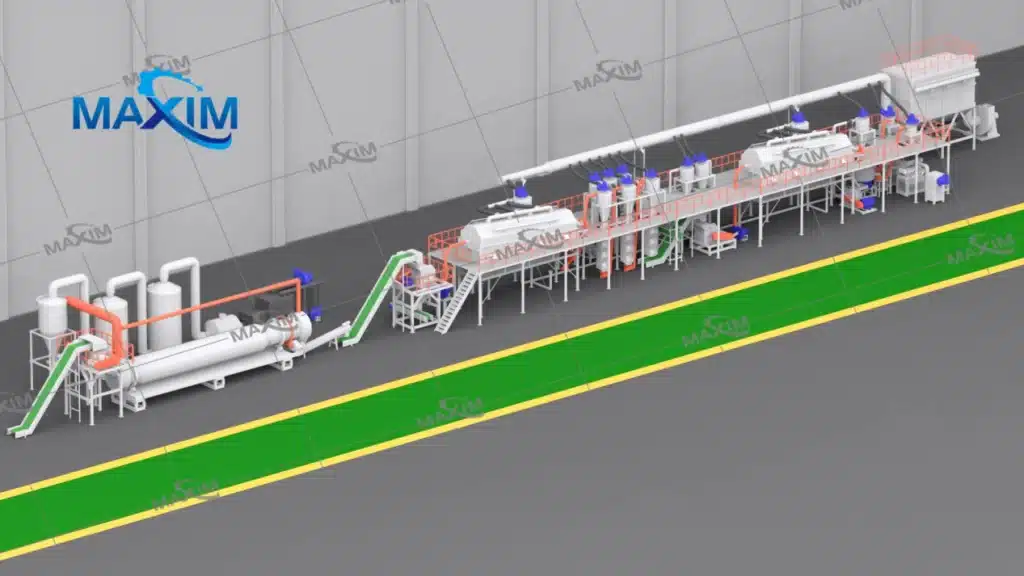
After pull-apart comes smashing. Here, materials get ground into easy sizes. The smashed mix then gets grouped into metal-rich black mass. This holds cobalt/nickel/lithium mixes. It uses sifting screens with density split ways.
Mechanical separation uses body processes like magnetic split or eddy current ways to pull metals from non-metals. Hydrometallurgical methods melt black mass with chemical soak agents to pull pure items.
Full closed-loop processing (Pre-shredding-crushing - sorting) that meets environmental emission standards; intelligent control reduces manual intervention; adapts to various battery types.
Got-back metals go through more cleaning via chemical fallout or solvent pull processes. These steps make sure high-clean outputs fit for reuse in new cathode making.
Once cleaned into top-grade forms like lithium carbonate or cobalt sulfate salts—these items go back into the supply chain. They act as raw inputs for new EV battery production lines.
Integrated magnetic separation and eddy current separation technologies effectively separate metals from non-metallic impurities; the production line is highly automated.
Non-recyclable parts like dirty plastics or worn electrolytes get burned under controlled setups. Or, they go to hazardous waste landfills that fit Eco rules.
The entire series of equipment complies with national regulations such as the "Law on the Prevention and Control of Environmental Pollution by Solid Waste" and the "Regulations on the Management of Renewable Resources Recycling." Emission indicators (dust, noise, and wastewater) are certified by third-party testing.
Tricky cell makeups make it hard to get back all precious items without dirt or loss in handling. High-end auto like MAXIM machinery’s PLC-controlled systems help cut these weak spots.
World gaps in e-waste laws block cross-area move of used batteries. Plus, lack of standard tags makes spotting tougher at gather points.
Henan MAXIM machinery equipment Co., Ltd. is dedicated to innovation, design, and production of independently designed and developed equipment. We provide a one-stop service program covering "preliminary consultation - solution design - equipment production - installation and commissioning - personnel training - after-sales maintenance." Our EV battery recycling production line features intelligent controls that minimize human error while maximizing throughput efficiency across discharging–dismantling–crushing–separation workflows.
MAXIM machinery offers a full suite including:
lEV Battery Dismantling Line: For safe module-to-cell breakdown
lBattery Crushing & Sorting Line: For black mass recovery
lPLC-Controlled Automation: For real-time diagnostics
lCustomization Options: Tailored layouts based on site size/material type/volume needs
Customized according to customer production capacity requirements, material characteristics, and site conditions
A: Black mass refers to the fine powder obtained after crushing used EV batteries; it contains valuable metals like cobalt, nickel & lithium which can be chemically extracted during refining stages.
A: Yes—but different chemistries require different handling methods. MAXIM machinery’s equipment supports both ternary lithium (NMC) & LFP chemistries with adjustable configurations.
A: For example, MAXIM machinery integrates explosion-proof designs & remote monitoring through PLC systems ensuring operational safety during discharge & crushing phases.
A: Yes—recovering rare metals offsets mining costs & supports sustainability goals; MAXIM machinery's automated lines improve yield rate & reduce labor costs enhancing profitability.
A: Absolutely! MAXIM machinery tailors production line layout and equipment parameters based on your capacity needs & site conditions, ensuring optimal performance without unnecessary expenditure.
Discover how integrated lithium battery recycling equipment enhances plant safety, automation, metal recovery rates, and operational efficiency while supporting large-scale, eco-friendly battery recycling production lines.
