
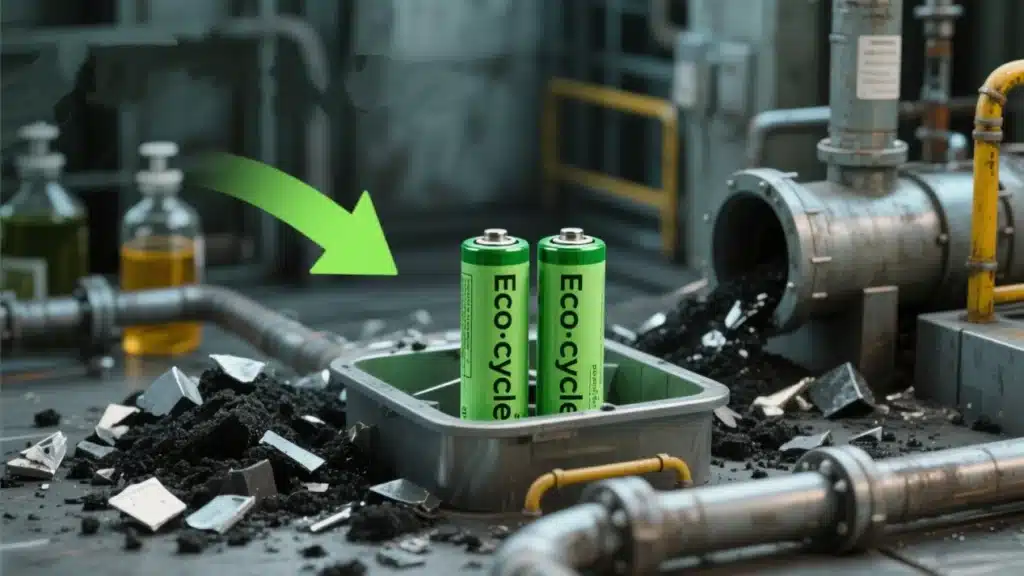
Rising worldwide need for handheld devices, electric cars, and green power setups signals that lithium, nickel, and cobalt sources must expand significantly. Lithium-ion battery manufacturing depends strongly on key raw elements. Rising shortage of such raw elements sparks major worry among businesses and official agencies. Battery recovery through hydrometallurgical processes offers a solid way to address this expanding need.
Processes involved in the pyrometallurgical treatment of batteries include high-temperature smelting. They require considerable energy. They are a significant source of greenhouse gas emissions. The process can result in the disappearance of some metals. In addition to producing pollutants, older cars pose a hazard from a buildup of toxic residues and gases. Processes using hydrometallurgy for the recycling of these wastes are being investigated. Using liquid processes, it operates at a lower temperature. This significantly reduces the impact on the environment.
A growing number of authorities and industries are emphasizing circular economy models. Their aim is the reduction of carbon emissions and refuse. Hydrometallurgical recycling techniques are appropriate for the battery in question. This method enables the recovery of metal from old batteries. It also minimizes water pollution. It provides a means by which sustainable targets can be set. The achievement of carbon neutrality objectives is facilitated by this process.
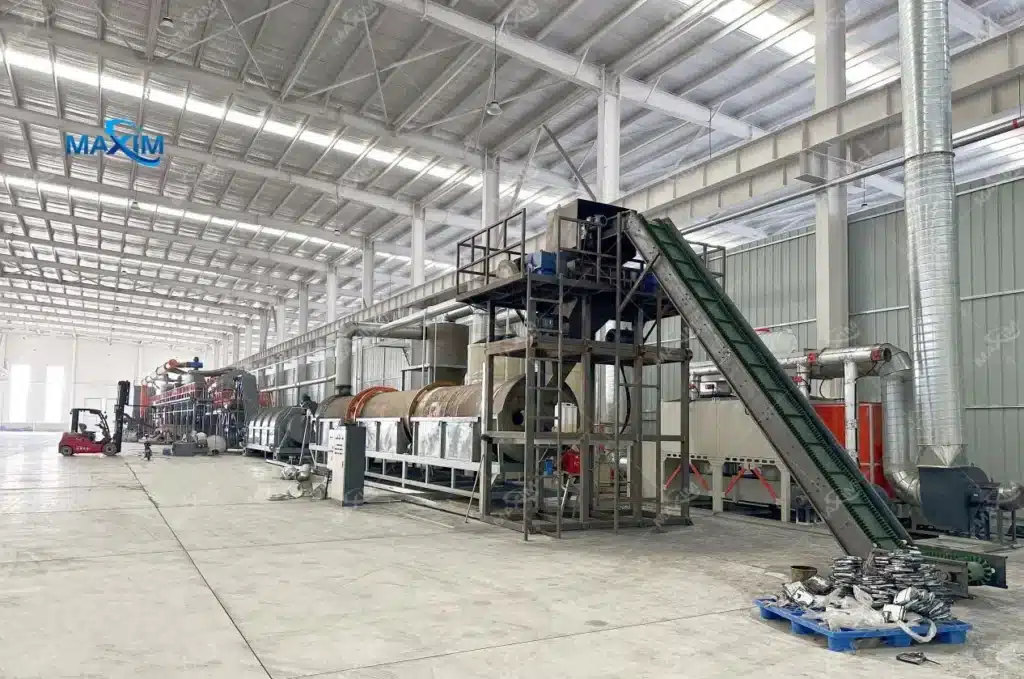
Metals derived from batteries are extracted using chemical hydrometallurgical processes. Extract precious metals from used batteries with a liquid process.
In the initial phase, leaching occurs. These substances react with the metal in the batteries. Acid or base is poured over the broken-up batteries. In a process known as electrolysis, these metals are dissolved and reduced into a liquid. At this point, it is crucial to distinguish the metals from other materials like plastics and graphite.
Upon degradation of metals within the mixture, separation of the various components is achieved by solvent extraction. It fulfills its biological roles by virtue of its chemical properties. In this purification phase, metals are purified to an exceptionally high level of purity. It can be reused in the manufacture of fresh cells.
The refined metals are created by introducing various substances into the molten metal to form firm compounds. The resulting materials are then processed in various ways, including drying and sorting. They are ready to manufacture fresh batteries.
Hydrometallurgical recycling employs a variety of chemical agents. Sulfuric acid is often used as a leaching agent, while hydrogen peroxide is used as an oxidising agent. D2EHPA and Cyanex 272, both organic solvents, are used to extract the metals. Lithium and cobalt can be recovered from solution by using sodium carbonate or sodium oxalate as a precipitant.
Lithium-ion battery hydrometallurgy is a highly effective process. Lithium-ion batteries are used in electric vehicles, mobile phones, portable computers, and cordless power tools. Batteries used in mobile phones contain lithium cobalt oxide (LCO), lithium iron phosphate (LFP), and nickel-manganese-cobalt (NMC). The company supplies the industry with high-tech technology to decrease costs. This process is accomplished with greater efficiency. Additionally, it contributes to ongoing sustainability.
The production of nickel-metal hydride cells can be carried out via hydrometallurgical methods. Hybrid vehicles use these components. NiMH batteries contain recyclable rare earth elements, which are found in fewer products today than lithium-ion ones. These are best suited for chemical-based recycling processes.
Metals such as lithium, nickel, manganese, and cobalt can be recovered at rates in excess of 90% by hydrometallurgical techniques. It surpasses the capabilities of heat-based treatments. A lot of resources would be wasted in the process of melting.
Extracting metals by hydrometallurgy is done at reduced temperatures. The process utilises water-based liquids instead of industrial furnaces. You save a considerable amount of energy in processing waste materials in this method as compared to other conventional processes. This approach results in cost savings that grow over time.
Pyrometallurgy produces fewer pollutants and harmful by-products than traditional hydrometallurgical methods. Easily, fluids can be treated rather than vapors or residues that originate from the smelting of metals.
The entire series of products conforms to national laws, including the 'Law for the Prevention and Control of Environmental Pollution by Solid Waste' and the 'Regulations on the Management of the Recycling of Renewable Resources.'
Worn batteries possess ignitable electrolytes and reactive sections. These demand cautious oversight in initial phases like grinding or disassembly. Safety guidelines require strict adherence. This averts blaze or contact threats.
Core components (such as shredder blades and sorting systems) are independently developed, with wear and impact resistance exceeding industry standards.
Hydrometallurgy is a less harmful technique for metal production than other methods. It contains intricate chemical compositions. These could increase operational costs unless improved through automation or systems integration.
To meet the world's needs sustainably, large-scale production has to be ramped up from experimental manufacturing processes. They are expected to handle thousands of tons annually. They have to maintain the present standards of performance and security.
China directs international endeavors in hydrometallurgical battery recycling. This arises from its leading position in EV creation. The EU has invested greatly in sealed-loop arrangements under its Green Deal structure. North America is advancing. It features numerous new companies establishing experimental sites in Canada and the U.S.
Worldwide, numerous large corporations have started to trial a new flexible working scheme. Advanced leaching techniques were investigated in combination with an artificial intelligence-guided management system. In the next decade, such research will lead to the creation of a business.
We provide a one-stop service program covering "preliminary consultation - solution design - equipment production - installation and commissioning - personnel training - after-sales maintenance."
Henan MAXIM Machinery Equipment Co., Ltd. commits to fresh ideas, planning, and building of self-created and self-built gear. The company centers on "resource recycling." and excels in study, creation, and assembly of green recycling devices. These efforts deliver custom fixes that match client demands. The reliable split method supports fresh use of key parts. These parts include battery cells, electrode materials, and metals.
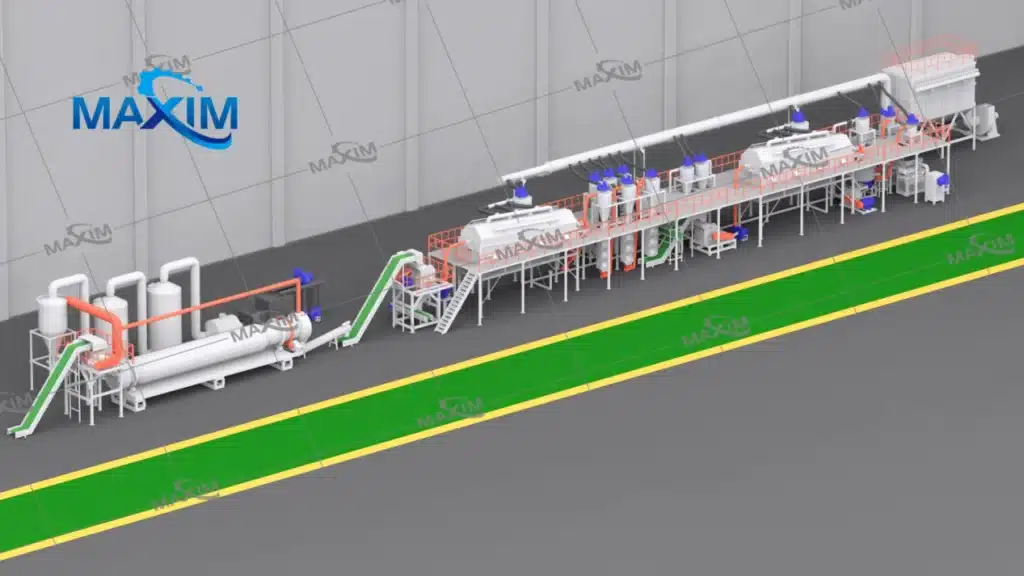
Our customized shredder machines handle various battery formats, including cylindrical cells (18650/21700), pouch cells, prismatic modules etc., enabling safe size reduction before chemical treatment begins.
We provide acid-resistant leaching reactors equipped with temperature control systems alongside high-efficiency filtration units designed specifically for hydrometallurgical battery recycling workflows.
Automated Sorting and Material Handling Solutions
MAXIM machinery’s intelligent automation system includes PLC-controlled conveyors integrated with magnetic separators & eddy current sorters—ensuring precise separation between metal fractions & non-metallic debris while reducing manual intervention time significantly.
Customized according to customer production capacity requirement and material characteristics, we tailor production line layout—avoiding generic setups that may lead to inefficiencies or resource losses.
A: Hydrometallurgy means the winning of metals by means of a chemical process involving water. Using an appropriate procedure, waste batteries can be efficiently processed to reclaim lithium and cobalt. The process involves operations such as leaching, solvent extraction, and precipitation.
A: Primarily, lithium-ion batteries suit this process. These batteries cover LCO/NMC/LFP types. Certain NiMH batteries also receive treatment through comparable methods. Such treatment relies on the battery makeup.
A: MAXIM machinery provides custom solutions. These solutions adapt to output scale & location factors. The design merges shredding equipment with leaching tanks & automatic sorting units. All parts function under smart control systems for peak efficiency.
A: Yes—for environmental benefits—hydrometallurgy requires lower energy levels & releases smaller pollutant amounts. Plus, this method attains superior metal recovery percentages. Such results match current Li-ion battery types well.
A: Yes—our machinery supports mixed waste processing using screening + air + magnetic separation technologies, ideal when recovering both precious metals & recyclable plastics from e-waste streams alongside used batteries.
Discover how integrated lithium battery recycling equipment enhances plant safety, automation, metal recovery rates, and operational efficiency while supporting large-scale, eco-friendly battery recycling production lines.
