
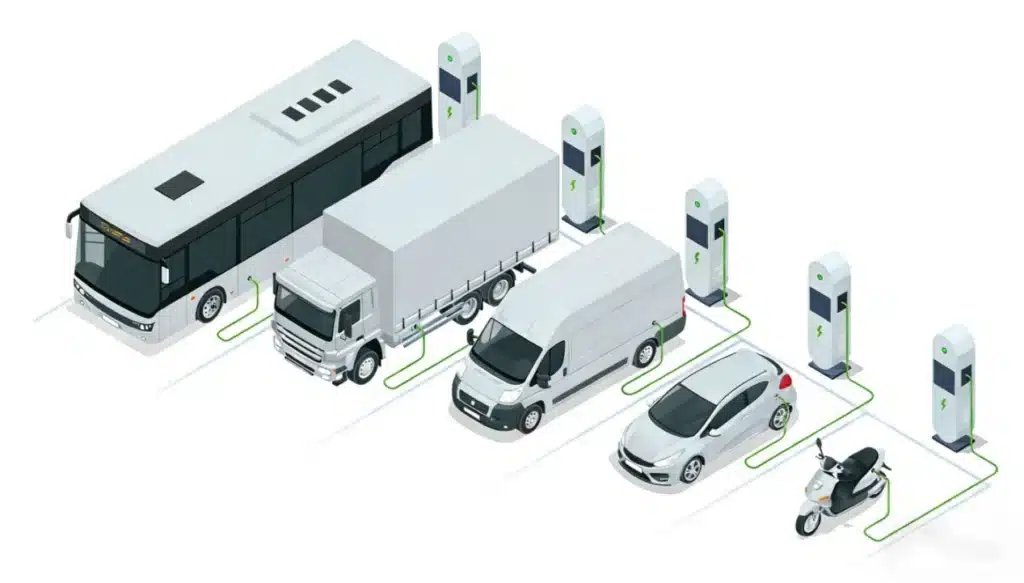
In this case, with the advancement in the use and replacement of petroleum-using vehicles with electrical vehicles, the need for these lithium-ion batteries is rising at an ever-increasing rate. In these lithium-ion batteries, precious and even hazardous elements such as lithium, cobalt, nickel, and manganese are utilized. Hence, without adequate recycling measures in place, such components are likely to pollute the environment.Recycling electric car batteries lessens the requirement for fresh raw material mining. This mining is a process that uses a lot of energy and harms the environment. It also reduces waste in landfills. Plus, getting metals back from old batteries often costs less than digging up new ones. This creates financial reasons for businesses to put money into vehicle battery recycling setups.
A lasting EV system relies not just on clean power but also on reusing materials in a loop. Recycling has a key part in lowering the carbon impact linked to battery making. It makes sure that important resources get reused well and safely. At the same time, it cuts down on harm to the environment.
We focus on "resource recycling." We specialize in the study, creation, and production of eco-friendly recycling machines. We offer custom recycling and handling options for different areas. These include lithium batteries, metals, and solid waste. This method backs the circular economy setup. It is vital for ongoing EV use.
Startups are changing the scene, too. They bring new ways to electric vehicle battery recycling. Firms apply unique tech to remake cathode materials straight from used batteries. They do this without splitting them into single parts. This saves both time and power.
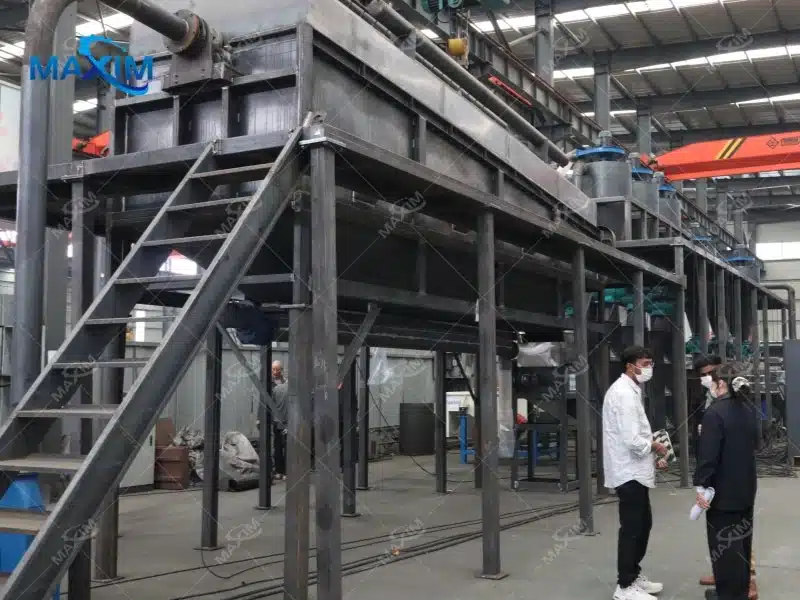
The usual ways include mechanical shredding. This is followed by pyrometallurgical or hydrometallurgical handling:
Full closed-loop processing (Pre-shredding-crushing - sorting) that meets environmental emission standards; intelligent control reduces manual intervention; adapts to various battery types—this integrated approach maximizes recovery efficiency while minimizing pollution.
Closed-loop systems seek to send recovered materials back into fresh battery making. They do this without lowering quality. This includes the exact division of black mass. Black mass is a blend of cathode/anode materials. It turns into reusable lithium salts, cobalt sulfate, nickel sulfate, and so on.
Our efficient, intelligent, and environmentally friendly equipment helps companies reduce costs and increase efficiency, promoting green and sustainable development.
MAXIM machinery’s lithium battery recycling line exemplifies this model by enabling efficient separation of electrode materials while complying with strict environmental regulations.
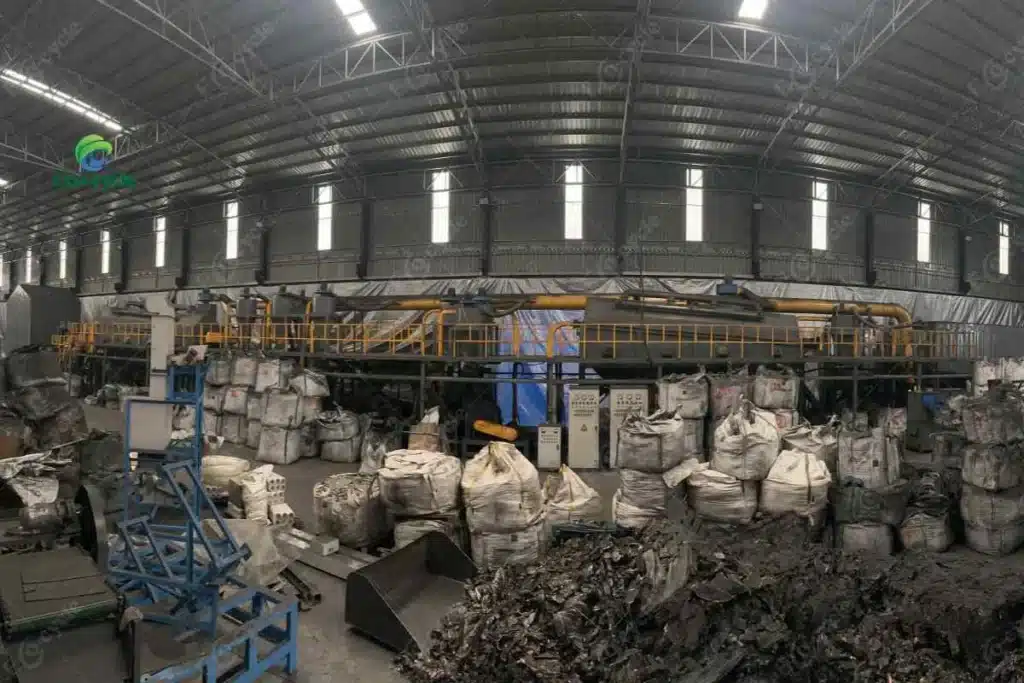
Lithium-ion batteries create big risks when handled. This is due to their ability to catch fire and the chance of thermal runaway. Taking apart needs special tools. These tools handle risks without putting people in danger.
Core components (such as shredder blades and sorting systems) are independently developed, with wear and impact resistance exceeding industry standards. This technical strength helps mitigate safety concerns during mechanical processing stages.
A major block is gathering end-of-life EV batteries well. Many used batteries stay in other uses or uncontrolled markets before getting to recyclers. Transport issues also raise costs a lot.
To fix this, firms need setups that can grow. These must be backed by government rules. The rules should require correct disposal paths for vehicle battery recycling.
Automotive companies such as Tesla, Ford, Volkswagen, and BMW partnered with recyclers such as. They do this to make sure EV batteries are responsibly discarded. These teams help secure raw material supply channels. They also show company responsibility for long-term goals.
These partnerships also support design-for-recycle-ability efforts through which manufacturers enable simple disassembly of next-generation battery packs—a step toward the efficient recycling of electric vehicle batteries.
Governments worldwide are coming up with Extended Producer Responsibility (EPR) laws. They require producers to be responsible for products after they are consumed. The EU Battery Regulation in Europe requires a minimum recycled content in new batteries from 2030.
These are the regulations behind investment in advanced technology like that of MAXIM machinery:
All the equipment of the series complies with national regulations such as the "Law on the Prevention and Control of Environmental Pollution by Solid Waste" and the "Regulations on the Management of Renewable Resources Recycling."
Henan MAXIM Machinery Equipment Co., Ltd. is dedicated to innovation, design, and production of independently designed and developed equipment. The company focuses on providing tailored solutions across multiple sectors, including lithium-ion battery recycling through high-performance machinery built for industrial-scale operations.
MAXIM machinery offers an advanced EV battery recycling production line that includes pre-shredding systems, crushing machines, air separation units, magnetic separators, eddy current separators—all integrated under intelligent PLC control systems:
Addresses the pain points of post-decommission lithium battery recycling, including "difficulty in recycling, high pollution levels, and resource waste," enabling efficient separation and resource reuse of valuable components such as battery cells, electrode materials, and metals.
This system supports various chemistries, including ternary lithium-ion cells (NMC) as well as LFP types commonly used in commercial fleets today.
In addition to electric car battery recycling lines:
These offerings make MAXIM machinery a comprehensive solution provider across multiple industrial waste streams, supporting circular economy models globally.
A: Electric vehicle battery recycling involves processes that recover valuable metals like lithium, cobalt, and nickel from used or end-of-life EV batteries. The metals re-enter production for new products or energy storage systems.
Electric car battery recycling reduces environmental damage caused by hazardous materials. In addition, electric car battery recycling conserves essential resources needed for future EV production. Electric car battery recycling supports worldwide goals for sustainable practices.
MAXIM machinery’s EV battery recycling line uses full closed-loop processing. The processing includes pre-shredding, crushing, and sorting with advanced control systems. Our EV battery recycling line achieves high recovery rates. MAXIM machinery’s EV battery recycling line generates minimal waste and processes various lithium-ion types.
A: Yes—MAXIM machinery offers customization based on capacity requirements, material characteristics & site conditions, ensuring optimal performance tailored to your operations.
A: MAXIM machinery provides equipment for scrap metal processing (steel/aluminum/copper). MAXIM machinery also provides equipment for e-waste recovery (PCBs/mobiles/TVs). Additionally, we provide equipment for plastic recycling lines.We build all this equipment with automated systems and eco-friendly components.
The shift to electric vehicles and renewable energy storage has sharply boosted demand for lithium-ion batteries. The use of lithium-ion batteries continues to grow rapidly across multiple industries. So, managing old batteries turns into a key ecological and industrial issue. Lithium battery recycling technology lets useful metals like lithium, cobalt, nickel, copper, and aluminum go excerpt …
