
As electric vehicles (EVs), smartphones, laptops, and energy storage systems continue to shape daily routines, the demand for lithium-ion batteries has grown sharply. This growth brings chances along with serious issues. These issues include resource shortages, environmental harm, and growing e-waste.
Lithium battery recycling plants act as the main plants in this worldwide energy change. Recycling makes sure useful materials in old batteries are recovered instead of thrown away. These plants support nature protection and cost savings. These plants take a vital part in moving to a circular and sustainable energy economy.
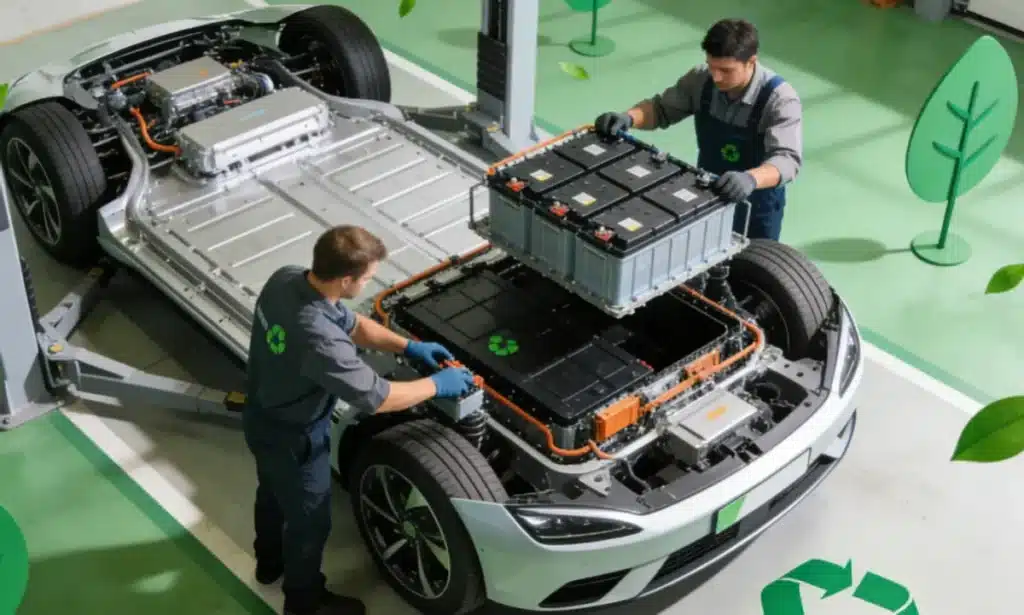
The growth of EVs and portable electronics results in millions of lithium-ion batteries reaching end-of-life each year. When such units meet disposal without proper care, harm to both surroundings and people can grow strong.
Batteries powered by lithium carry risks along with benefits - metals like cobalt, nickel, and copper mix with lithium and loose flammable liquids inside them. Handling these incorrectly by users or dumping them casually leads to leakage into earth's layers. Once buried materials reach water sources, life beyond walls shifts unevenly while people nearby face silent threats.
Recycling these batteries means more than waste control. Recycling centers on material recovery. Effective recycling:
The process starts with the safe collection, sorting, and discharging of batteries. This action stops accidents in processing. Fire, explosion, and short circuits carry real dangers. This stage remains essential for operational safety.
After that, batteries undergo shredding and crushing. This action breaks batteries into smaller pieces. Modern sorting systems separate metals like aluminum, copper, and steel from plastics and electrolytes.
Full closed-loop processing covers pre-shredding, crushing, and sorting. This processing follows environmental emission standards. Intelligent control cuts manual involvement. The system handles various battery types, including ternary lithium and lithium iron phosphate. The system permits flexible capacity changes.
In the last stage, high-value materials such as lithium, cobalt, nickel, and graphite undergo extraction via chemical or thermal methods. Battery production reuses these materials right away. Other industrial uses take these materials too. Such recovery lengthens the life of limited resources.
Running a lithium battery recycling plant brings several benefits:
Modern battery recycling lines use various modern methods:
Water electrolysis appears to be a better way for separating electrodes:
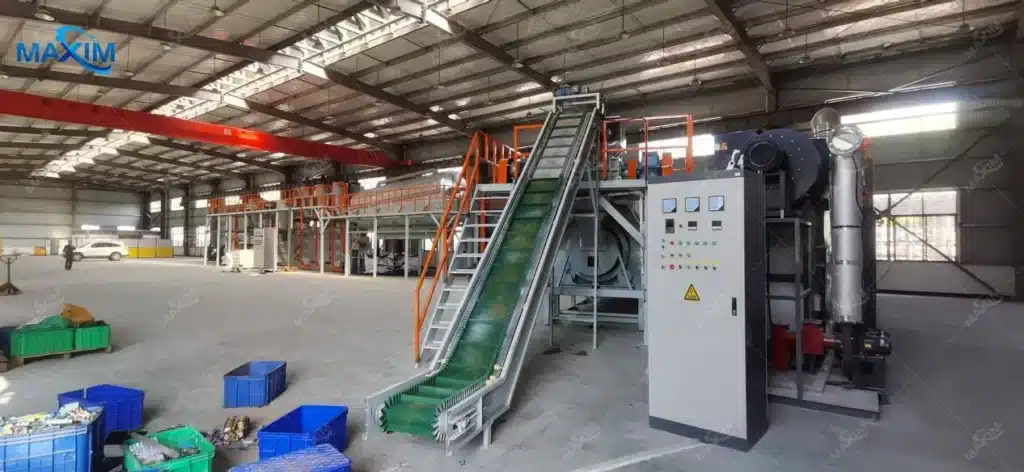
Various elements affect the profitability of a lithium battery recycling plant:
Governments worldwide promote battery recycling through:
A working supply chain depends on:
We offer a complete service program covering “preliminary consultation - solution design - equipment production - installation and commissioning - personnel training - after-sales maintenance.” After-sales response arrives within 24 hours. This service keeps the production line operation reliable.
Battery designs differ greatly across manufacturers. Such a difference makes disassembly difficult. Plus, safe handling of reactive materials needs sophisticated tech.
High setup costs for specialized equipment act as an obstacle to starting. Plus, the profitability of recycling operations relies on changing prices of raw metals like cobalt or nickel.
As EV adoption speeds up worldwide, demand grows for battery recycling lines. These lines process large volumes well.
Integration with renewable energy storage systems grows, too. Used EV batteries often get reused before final recycling.
Yes, because of continued progress in separation technologies and purification methods:
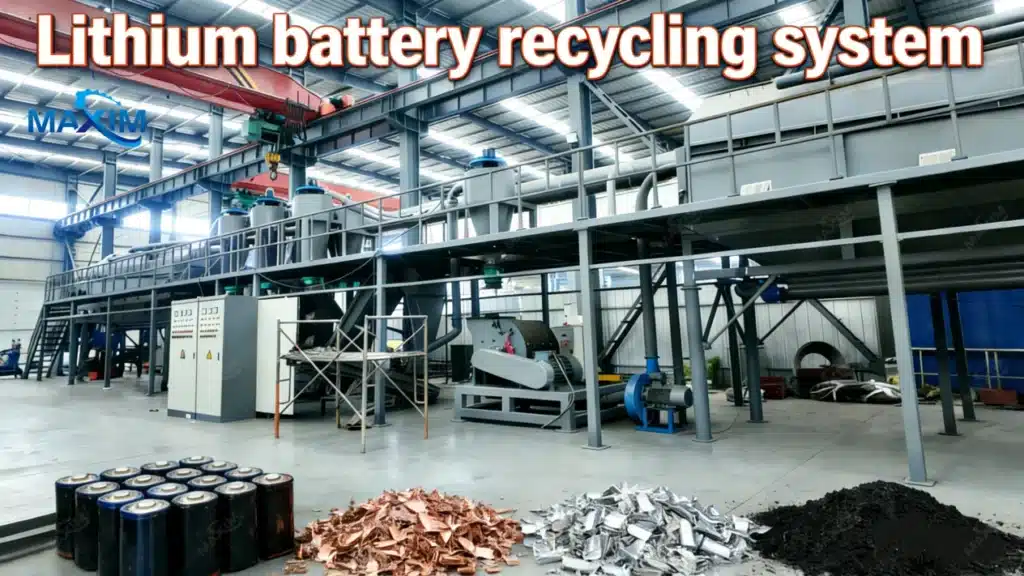
What stands out is how Emphasizing “resource recycling,” we focus - research, then development, and finally manufacturing machines built for sustainable recycling. For fields like lithium batteries, tailored recycling and processing setups are available across various sectors.
Our effective, smart, and green equipment aids companies in cutting costs and boosting efficiency. This equipment advances green and sustainable development.
MAXIM machinery’s battery recycling line features:
This scrap metal shredder performs “crushing - impurity removal - sorting - forming” for metal waste, including scrap steel, aluminum alloy, and copper. Integrated magnetic separation and eddy current separation technologies separate metals from non-metallic impurities well.
This process guarantees that metal content gets recycled at top quality levels. Such quality works well for smelting or manufacturing reuse.
MAXIM machinery offers ready-to-use systems that serve electronics manufacturers, automakers, and energy storage providers.
Customization happens based on customer production capacity requirements, material characteristics, and site conditions.
From consultation to after-sales service, MAXIM machinery provides dependability throughout the product lifecycle.
A: MAXIM machinery’s battery recycling line handles various types, including ternary lithium (NMC) and lithium iron phosphate (LFP). This line fits EVs and electronics.
A: The intelligent control system lowers manual involvement. This system improves safety during processing. This system guarantees greater efficiency in recovering valuable materials.
A: Yes, with modern hydrometallurgical processes and direct recycling techniques, recovered lithium satisfies purity standards required for new battery production.
A: MAXIM machinery provides full-life cycle services, including remote monitoring support and maintenance response within 24 hours. These services keep the plant operation reliable.
A: Recycling cuts the need for mining. Mining uses more energy and leads to environmental harm. Recycling allows the circular use of critical materials like cobalt and nickel.
Explore how lithium battery recycling plants recover valuable materials, reduce environmental harm, and support a sustainable circular economy.
