
A load of mixed electronics may fit the hopper. That fit, however, cannot tell the receiving team whether a concealed cell or damaged device is inside. The team needs a gate that holds uncertainty, documents the inspection, and releases only cleared material. For EHS managers, process engineers, and buyers, battery removal from e waste is the release decision. A completed battery removal from e waste gate means the next stage safely receives documented feedstock. This distinction defines the safety gate.
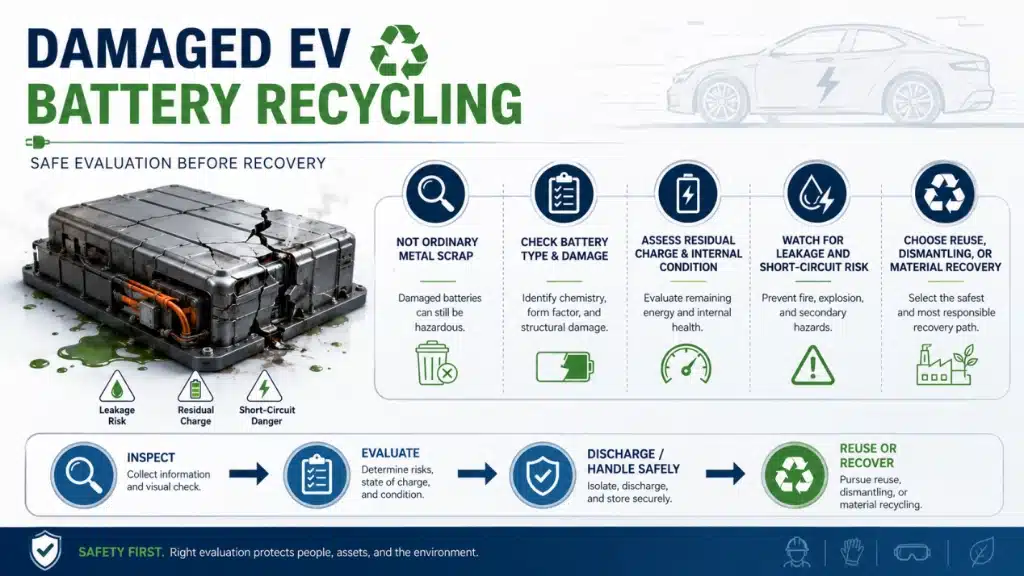
With lithium batteries in electronic waste, size reduction is exactly where piercing, compression, or a short circuit can happen. So the decision belongs upstream. Regardless of equipment size, the US EPA says a battery or device that is crushed or otherwise damaged may become a fire hazard. Battery removal during selective treatment also appears in EU WEEE rules. Together, they make the handoff clear: a general e-waste or PCB shredding route receives material after battery removal from e waste is complete.
Calling this a battery recycling process would blur the boundary. At this point, the operator chooses among clear, visibly battery-bearing, and uncertain. Pack opening, cell discharge, and black-mass treatment are beyond its remit. That boundary separates battery removal from e waste from lithium battery recycling and keeps this safety gate from becoming a dismantling guide.
This matters commercially. MAXIM machinery equipment throughput assumes a defined feedstock, while the receiving site controls the infeed. Capacity figures and separator choices cannot correct battery contaminated e waste feedstock after receipt. Record the gate before using the e-waste shredder pollution-control guide for equipment-stage controls.
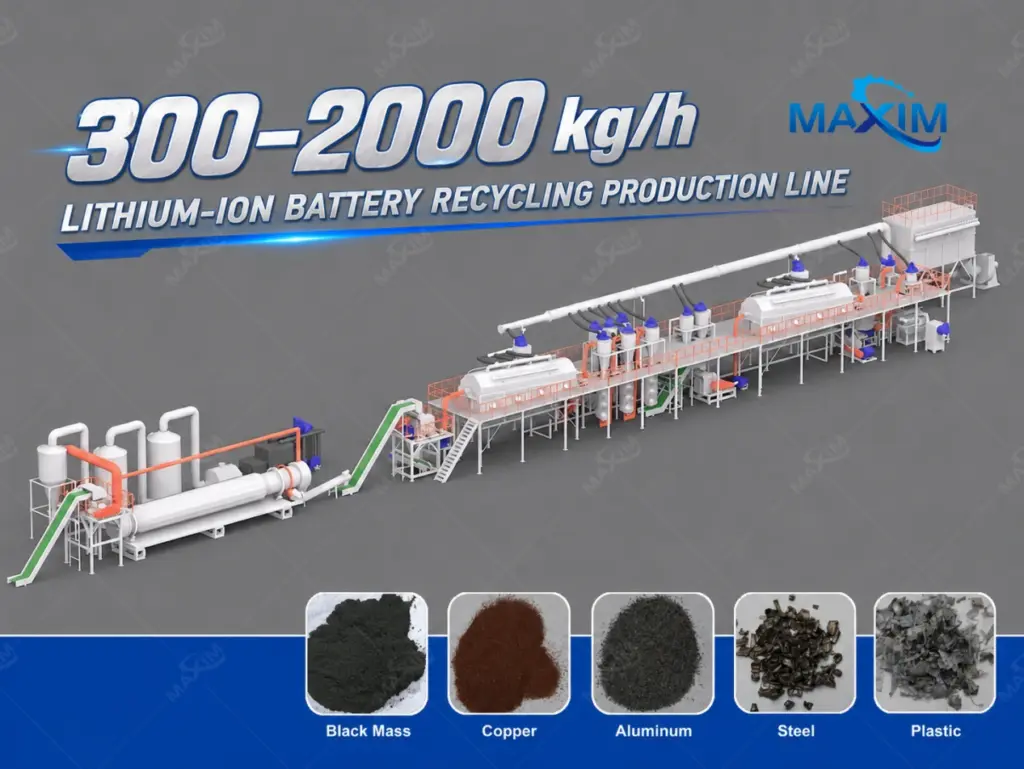
The boundary begins at receipt and ends at signed release. It covers loose devices, bagged material, palletized equipment, and partly hidden containers. A good e waste pre shredding inspection does not promise perfect identification. When item type, battery status, or condition is unclear, it supplies the response.
Use three outcomes across receiving and production. “Accept” means the lot matches the approved feedstock definition and passed the documented battery removal from e waste check. “Hold” means evidence is incomplete or an item may contain an embedded cell. “Reject or divert” means the lot falls outside the criteria or needs a qualified battery route.
Name observable conditions, not improvised repairs. Send any item showing swelling, heat, leakage, crushing, missing identity, or recall status to the site’s exception procedure. Inspection stops there. Probing, cutting, puncturing, or energizing would be an intervention. Only then do local rules, item condition, chemistry, and facility authorization determine whether the next path is lithium battery disposal, lithium ion battery disposal, or another authorized route.
Every hold needs an owner. Receiving records and isolates the lot; EHS or another designated competent person decides under the site procedure. Production accepts material only with complete release evidence. Supplier exclusions also belong in procurement terms. This makes battery removal from e waste a shared interface, not an informal instruction.
Record the source, date, lot identity, declared material, findings, exception photographs, decision-maker, and destination. Keep relevant contractor handoff evidence. An unmarked container beside the shredder is never the destination; removed batteries need identified storage and authorized handling. The electronics depollution checklist closes when material and responsibility reach the named next stage.
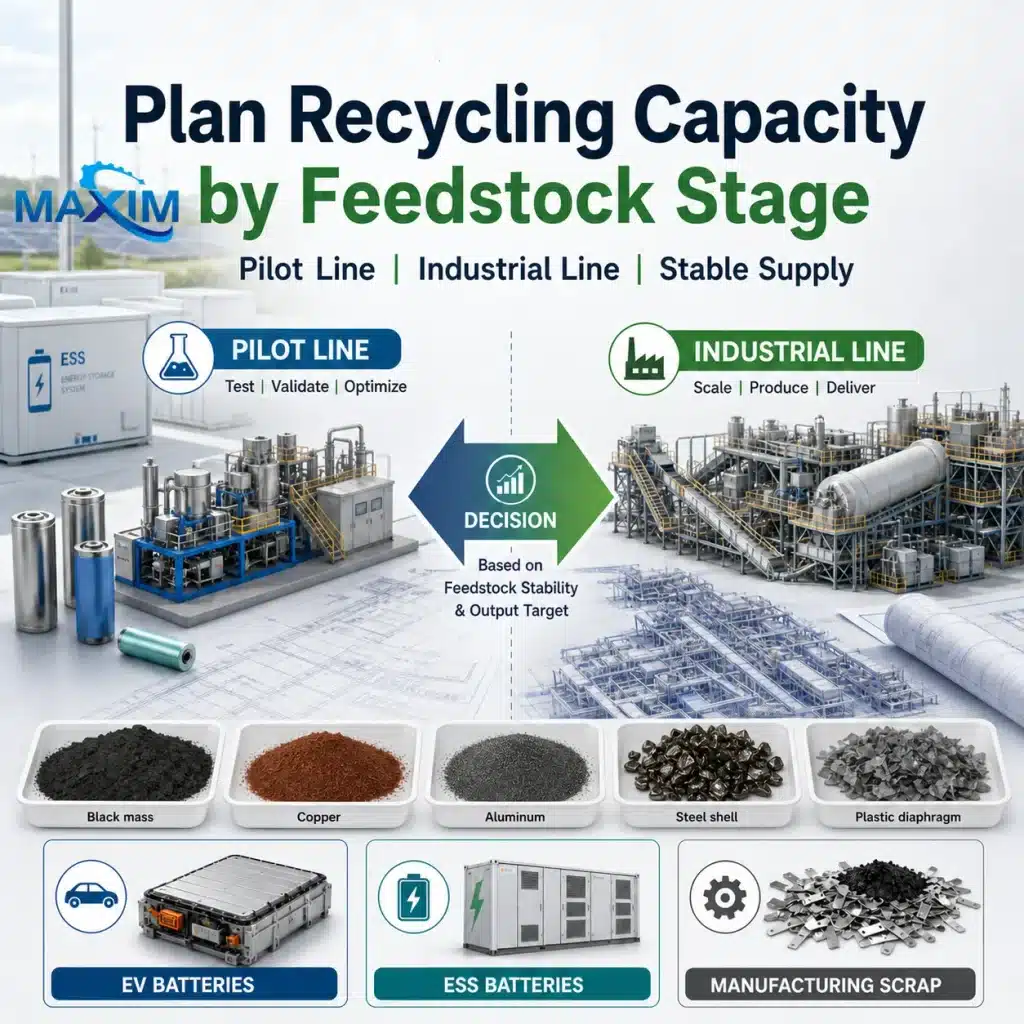
The gate must work during a busy shift. A posted category is useful only if receiving can act on it. Give suspect loads a separate physical status, and do not let production pressure or scheduling software quietly release a hold. For battery removal from e waste, the paper record, material status, and release authority must agree.
Read the source documents before touching the load. Compare the paperwork with the shipment: is this actually the material the site approved? Make the comparison without disassembly; signs to note include built-in power, visible battery compartments, loose cells, damaged housings, warning labels, unusual heat, and undeclared mixed devices. Any embedded battery detection under consideration should be checked against actual load formats. Technology should support trained inspection and exception handling.
| Gate point | Minimum evidence | Decision if uncertain |
| Supplier declaration | Material description and excluded-item statement | Hold the lot for clarification |
| Receiving inspection | Lot identity, visible condition, and exception photographs | Segregate the affected unit or lot |
| Depollution confirmation | Completed checklist and responsible person | Do not release to shredding |
| Production handoff | Release status linked to the lot | Stop transfer if status is missing |
After EHS review, a facility can add sampling, container rules, or escalation contacts. However, battery removal from e waste cannot depend on an impractical receiving form. Anyone reading the record should be able to connect the inspected lot to the released lot without inference.
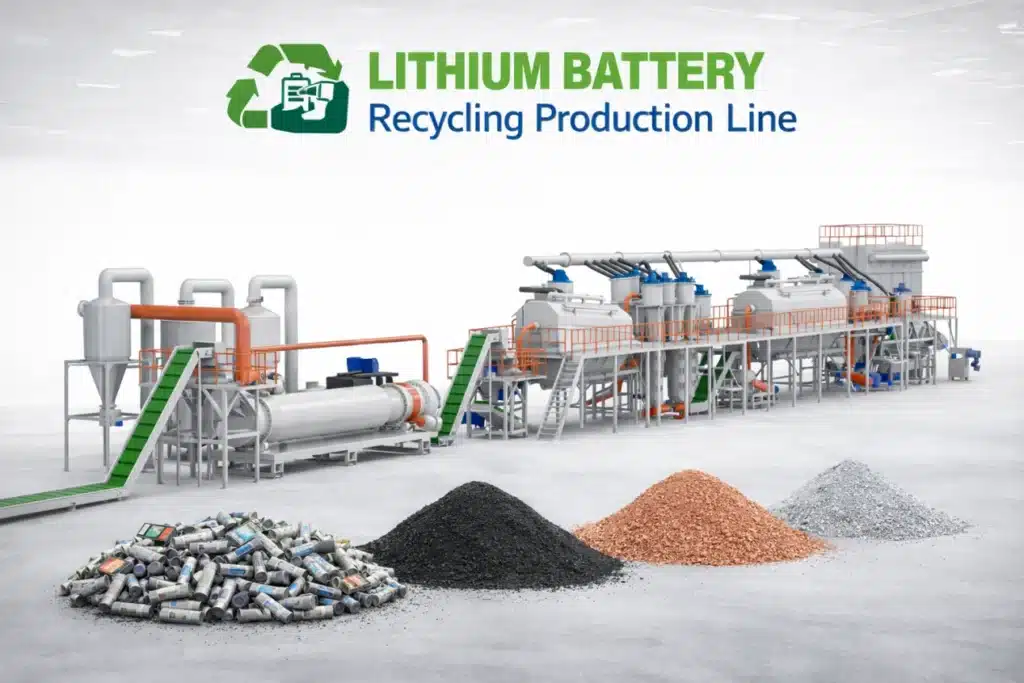
The exception area should be obvious at a glance and controlled in use; its containers and the site emergency plan also need to fit the job. Segregate damaged or suspect batteries under requirements and recycler instructions. An uncertain item must not return to electronic waste disposal. Recognition, stop-work, notification, and recordkeeping belong in training. Disassembly does not.
Every exception record needs both ends of the trail. When battery recycling is the destination, note the authorized recipient and retain transfer evidence. When a service provider completes battery removal from e waste, reconcile returned electronics with the original lot. This keeps unchecked material out of an approved job number.
After the gate closes, process design addresses remaining material. MAXIM machinery lists waste computer boards, phone boards, television boards, copper-clad laminates, PCBs, and flexible printed circuit boards as intended feed for the PCB recycling line. Depending on the configuration, available stages include staged crushing, negative-pressure feeding, magnetic separation, air classification, pulse dust collection, and electrostatic separation. Those functions still cannot replace battery removal from e waste.
The same discipline applies before a double-shaft shredder feeds later separation. Discuss throughput after accepted material, prohibited components, inspection method, and release records are clear. The specification then describes a known feed, not a loose mix of complete devices, bare boards, and batteries.
For a new project, bring feedstock descriptions, photographs, expected contaminants, and the depollution responsibility matrix when you contact our technical team. With that boundary settled, we can turn to PCB or e-waste processing. Battery recycling and lithium battery recycling still need a separate feedstock and process review.
A: Timing is the reason: mechanical processing can crush, pierce, or short-circuit a battery. Battery removal from e waste gives receiving staff a defined stop point for suspect material. The shredder then receives released feedstock instead of being expected to resolve an avoidable battery hazard.
A: Begin with the shipment: supplier, lot identity, and declared material. Record visible battery compartments, loose cells, damage, heat, warning labels, and exception photographs. The final record names the decision and who may approve, hold, reject, or divert the lot. Sampling, container, and emergency-response details follow whatever local procedure applies.
A: First stop the transfer and tie the affected item to its lot. Move it into the site’s controlled exception process, where trained personnel can follow local EHS procedures and applicable rules. Puncturing, cutting, energizing, or improvising treatment is outside this gate. Cleared electronics return to production only after the decision and authorized destination have been recorded.
A: No automatic substitution should be assumed. Device construction, load presentation, sensor type, and validation conditions all affect detection performance. After representative trials, embedded battery detection may support the inspection. If the system cannot classify an item confidently, trained recognition, a hold category, and a named release authority remain necessary.
A: Each signature should close one responsibility. Receiving confirms the lot and findings. A designated competent person resolves exceptions, while production signs only for released material. When a contractor performs battery removal from e waste, the site reconciles its work record with returned electronics. Procurement uses the same acceptance terms for supplier exclusions.
A load of mixed electronics may fit the hopper. That fit, however, cannot tell the receiving team whether a concealed cell or damaged device is inside. The team needs a gate that holds uncertainty, documents the inspection, and releases only cleared material. For EHS managers, process engineers, and buyers, battery removal from e waste is excerpt …
