
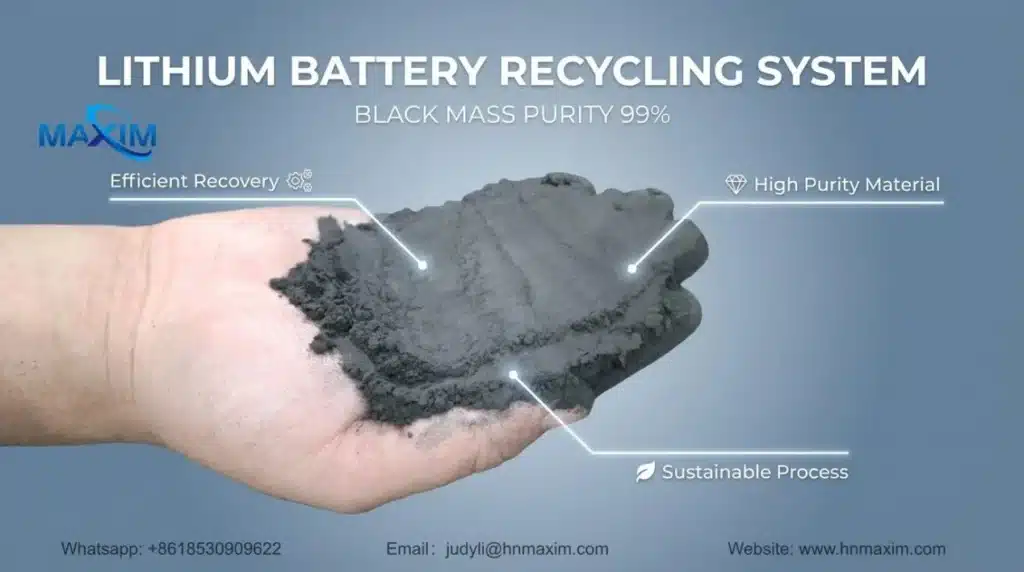
Black mass is the high-value powdered concentrate recovered from spent lithium-ion batteries and manufacturing rejects through mechanical processing. The substance mainly consists of a blend of cathode materials, such as ternary materials and lithium cobalt oxide, plus anode materials like graphite. The term itself is derived from the material's distinctive black color, which is caused by the high concentration of graphite found in battery anodes. Once operators collect retired batteries, drain the charge, and cut the units, base metals get sorted out, leaving the metal blend with silver spots.
The key role of black mass rests in serving as a main input for pulling back battery materials. As worldwide need for zero-emission vehicles rises, handling this material acts as a strong critical supplement to the raw supply, cutting reliance on main mineral sources like lithium ore. Moreover, handling black mass brings solid green gains, since the process skips the harm from fresh metal digging and cuts carbon output by about one ton of CO2 equal for each ton of batteries handled. Black mass forms a real circular economy, allowing full reuse of battery materials into the supply flow.
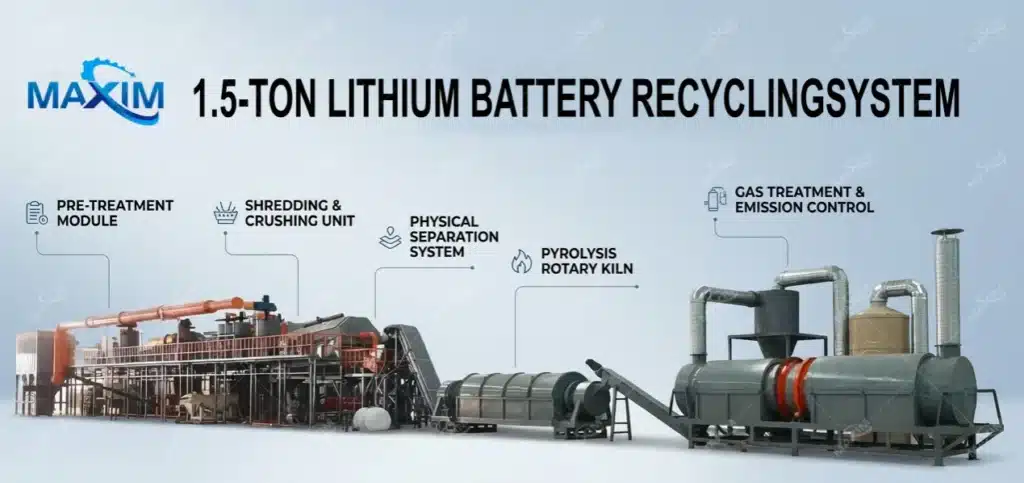
The chemical makeup of black mass shifts a good deal based on the starting battery kind. For example, ternary lithium batteries (NCM) produce a black mass full of nickel, cobalt, and manganese, which usually holds greater market worth. On the other side, lithium iron phosphate (LFP) batteries lead to a black mass aimed at lithium and phosphate pull-back. Strong recycling production lines, such as those built by MAXIM machinery, are made to fit these different chemistries.
The market value of black mass mainly comes from the level of key metals in the material, which often beats the amount in the main ores. Usual weight shares cover lithium at 2-6%, cobalt at 5-20%, and nickel at 5-15%. Still, the amount of unwanted parts such as aluminum, copper, and iron bits can shape the end price. To make sure a high clean level and sale power, black mass needs to hit a clean level above 92% in the pre-handling stage before moving to chemical pull-out. Check tools like ICP-OES serve as a standard means to confirm these metal levels and boost deal value.
The change of used batteries into high-clean black mass calls for a detailed machine order. The flow starts with safe drain and break-down, then cutting to split the cells into smaller bits. MAXIM machinery utilizes a full closed-loop system involving pre-shredding, crushing, and multi-stage sorting. A mix of magnetic split, air split, and eddy current split lets the setup pull the black powder away from copper and aluminum sheets well. This joined method makes sure useful parts get pulled back with strong accuracy.
Handling lithium batteries brings built-in dangers, including the CMR risk tied to fine particulates and the chance of thermal runaway. To handle these issues, top making lines run under low pressure to stop dust spill and use factory dust gathering systems. Following green standards stands as a must; for example, release signs for dust, sound, and wastewater need to be checked by outside tests. Plus, since dry black mass flows poorly, special flow helps gear and closed empty spots work best to keep a neat and safe making space.
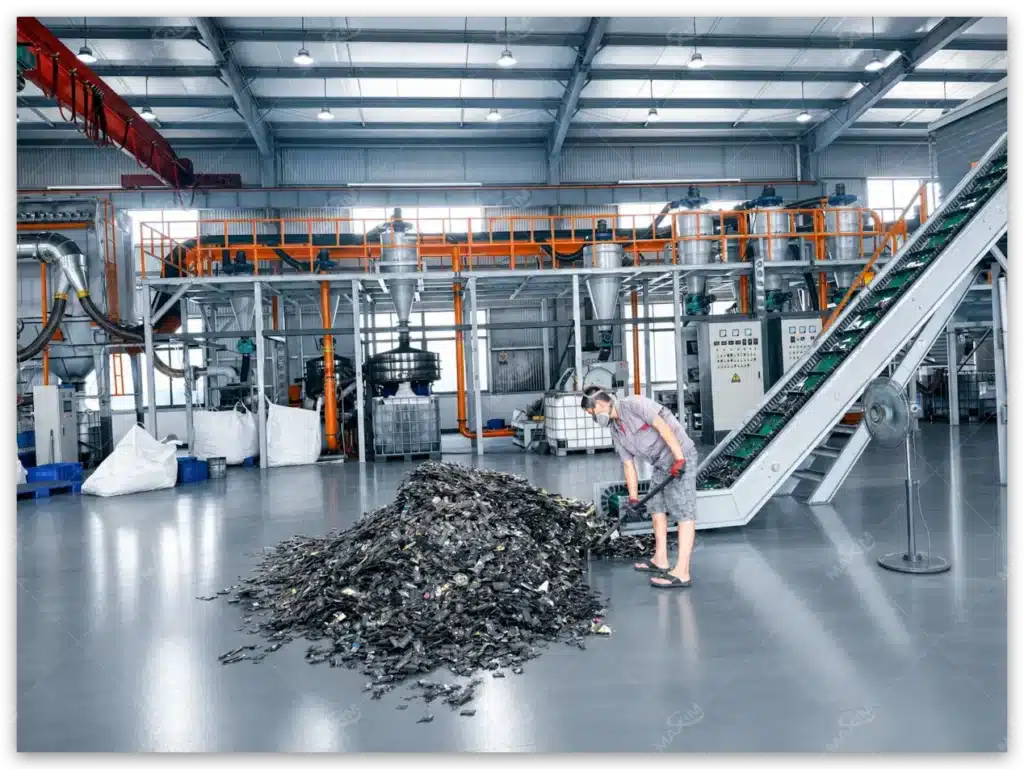
As a focused maker in the resource reuse field, MAXIM machinery focuses on studying, building, and making green-friendly machines. The lithium battery reuse lines are built to tackle the problems of high dirt and resource loss. We provide customized solutions tailored to specific production capacities, ensuring that equipment parameters match your site conditions and material characteristics. Our technical strength is anchored in independently developed core components, such as shredder blades that exceed industry standards for wear resistance.
The gear holds smart PLC control setups that back far-off watching and error alerts, which cuts maintenance costs and hand work a lot. Operators know that a steady run of a making line matters most, so a full-service plan covers all from first plan build to setup, staff teaching, and 24-hour post-sale reply. These recycling systems achieve a recovery rate of ≥99% for black mass, copper, and aluminum, with the aluminum amount in the end black powder held under 1%.
To witness our technology in action and discuss the development of profitable recycling ventures, we invite you to visit our upcoming international exhibition. MAXIM machinery plans to show the newest steps in waste handling and resource pull-back.

A: On average, black mass forms about 40% to 50% of the full weight of an electric vehicle battery. Good machine handling lines get built to pull back over 99% of this open powder, making sure the most useful material gets caught for later melting.
A: Black mass often counts as a very harmful powder with CMR (carcinogenic, mutagenic, or toxic to reproduction) risks. Due to the heavy metal makeup and tiny, easy-to-spread bits, many areas call for special handling and firm green rules for storage and moving.
A: Pro handlers usually turn to X-ray fluorescence spectrometers (XRF) or inductively coupled plasma optical emission spectrometers (ICP-OES) to spot metal levels. These tools give the exact info needed to fine-tune reuse output and make sure the result hits the 92% clean mark for chemical handling.
A: In the battery recycling industry, Black Mass and Black Powder are often used interchangeably to describe the concentrated mixture of cathode and anode materials. Both refer to the dark substance recovered from spent batteries or production scrap. The characteristic black color is primarily due to the high concentration of graphite. While "Black Powder" emphasizes the material's physical form, "Black Mass" is the standard commercial term for this valuable feedstock containing nickel, cobalt, and lithium.
A: The main buyers cover midstream and downstream handlers, including water-based melting plants and battery material makers. These spots use soak and drop to turn the powder into battery-grade starters or lithium salts, closing the loop in the battery supply flow.
A request such as “quote a scrap metal recycling line” leaves many technical questions open. Similar scrap can still require different feeding, shredding, conveying, sorting, and discharge arrangements. A better RFQ defines the job before asking for a machine. Material, capacity, sorting goals, final product, and site conditions should all be clear. What Information Should a excerpt …
