
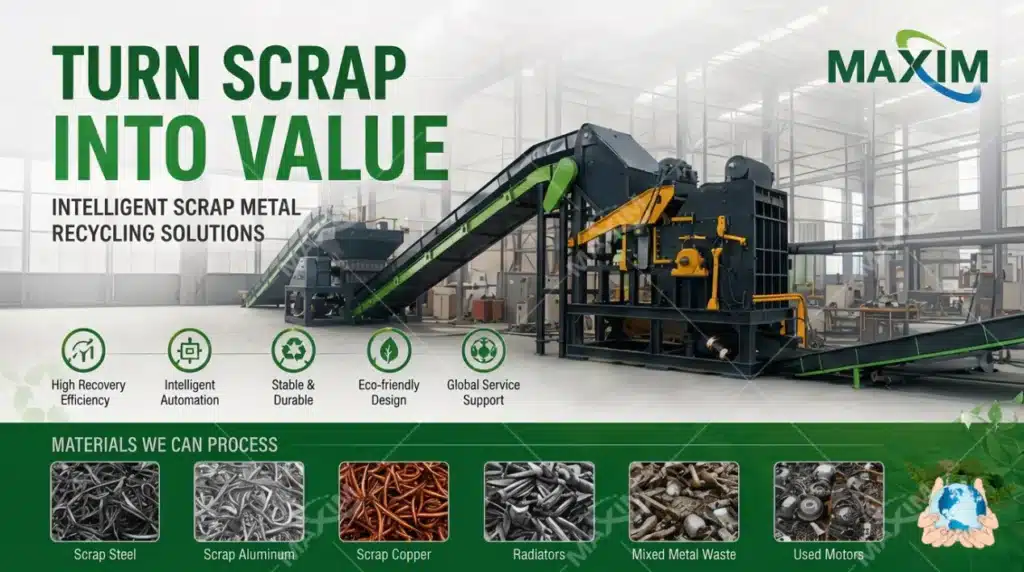
The move from a basic reduction machine to a full shredder scrap processing system stands as an important step for any modern recycling facility. In earlier times, operators usually depended on one piece of equipment to simply break down materials into smaller pieces. Yet as industry standards change and the need for higher purity materials grows, a single machine approach no longer works well enough. Upgrading to a complete production line meets the main needs for better efficiency, higher purity, and greater profitability in the recycling field.
A full scrap metal recycling production line creates a smooth flow of crushing, impurity removal, sorting, and forming for different metal wastes. These wastes include scrap steel, aluminum alloy, and copper. This combined processing greatly raises metal purity and the total recycling value. Through the use of efficient, smart, and environmentally sound equipment, companies can lower operational costs and raise processing efficiency. As a result, the changes support green and sustainable growth in daily operations. In addition, a complete line makes sure the final output satisfies the strict standards needed for front-end raw materials in metal smelting. This setup lets the facility link directly to the downstream supply chain.
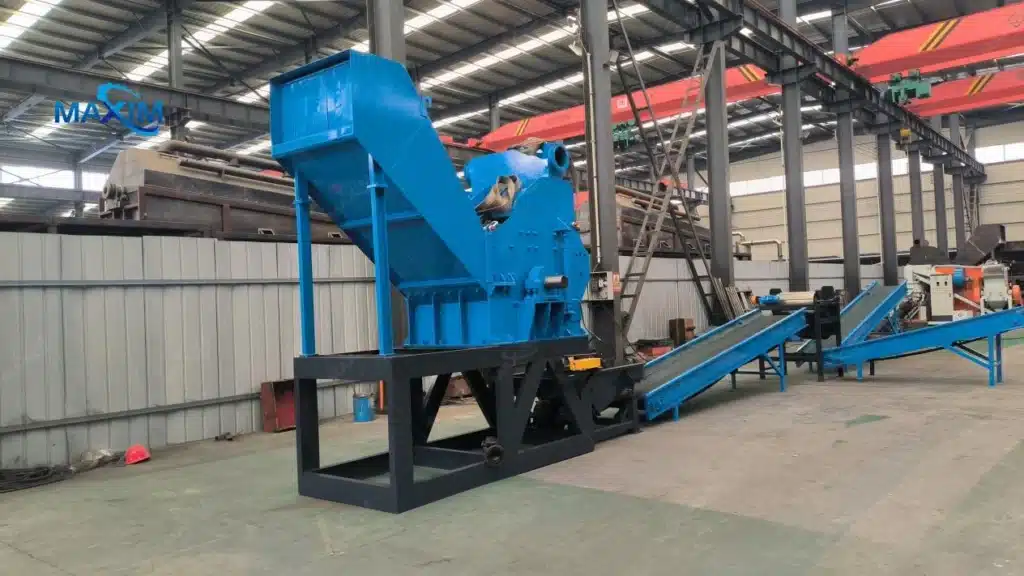
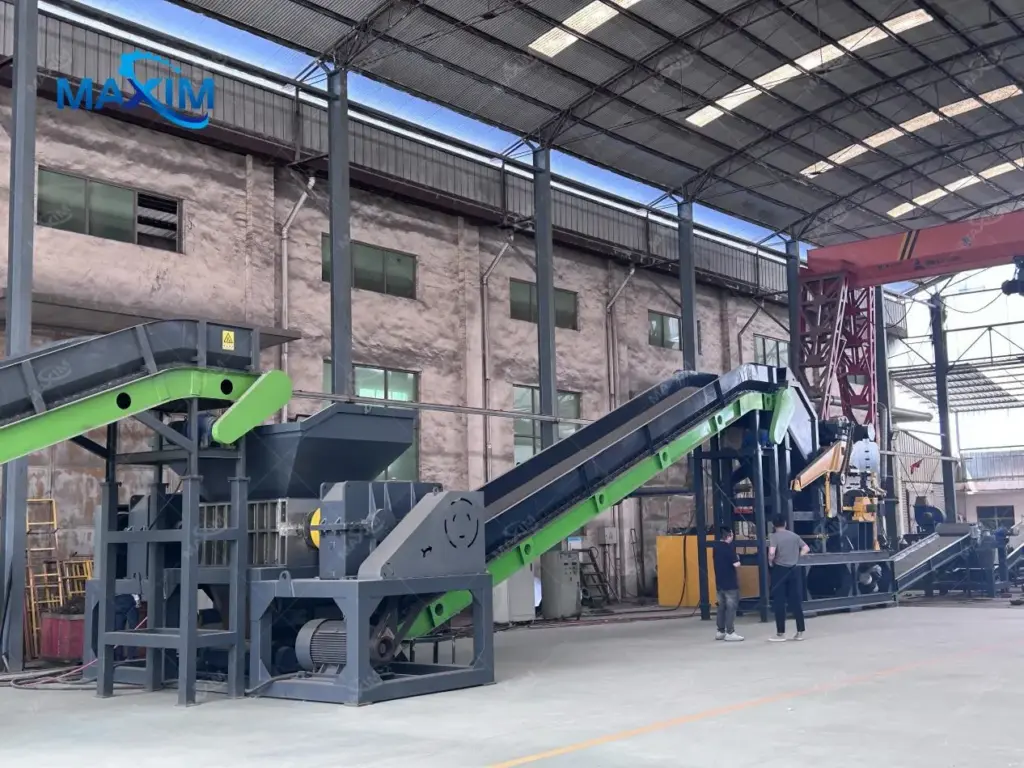
A comparison between a basic setup and an advanced line shows clear differences in overall capability.
| System Type | Core Function | Material Purity | Market Value of Output | Labor Requirement |
| Standalone Machine | Size reduction only | Low mixed materials | Lower | High manual sorting |
| Complete Processing Line | Crushing sorting and impurity removal | High pure metals | Premium | Low automated control |
Investment in a full system goes beyond faster material processing. The real gain comes from turning mixed waste into high-grade commodities ready for the global market.
Selection of the proper steel shredding equipment calls for careful review of specific operational goals, the nature of incoming materials, and the spatial limits of the facility. It remains essential to work with a manufacturer that offers customized solutions instead of standard products that fit all cases.
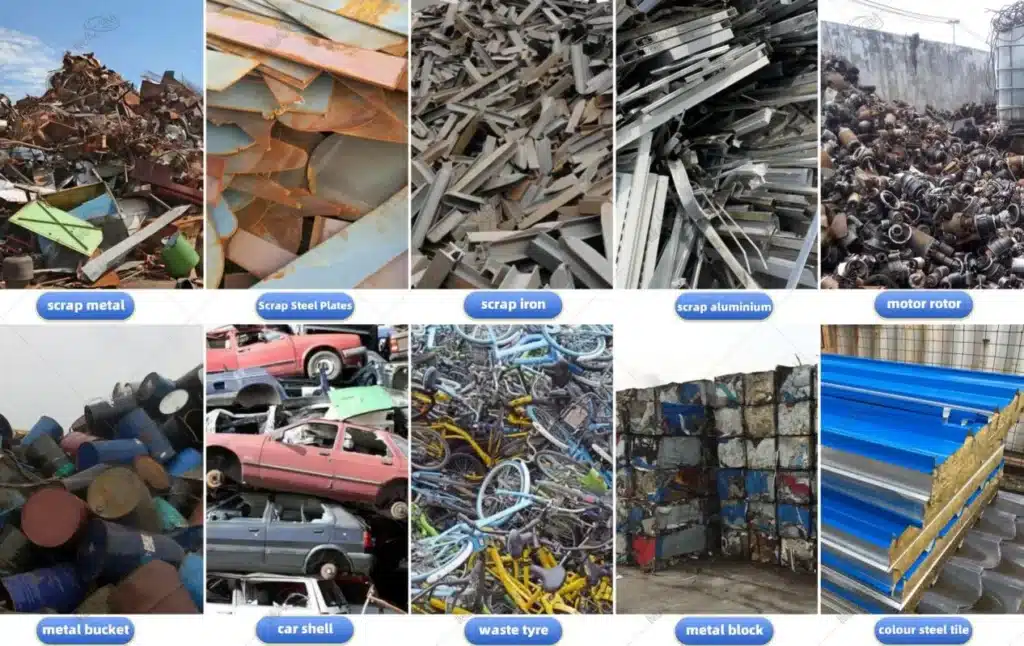
The makeup of the incoming waste stream decides the needed cutting mechanisms and the required structural strength of the machinery. Mixed waste streams frequently hold a complicated mix of materials that demand proper handling. This approach prevents machine damage and supports good recovery rates. The advanced scrap metal recycling production line works with many kinds of metal waste. Examples include tough scrap steel, lighter aluminum alloy, and valuable copper.
Processing of heavy ferrous metals creates great mechanical stress on the machinery. To handle this demand, the core components, such as the shredder blades and sorting systems, come from independent development. These parts show wear resistance and impact resistance that go well beyond usual industry levels. Whether the operation involves rigid iron structures or more flexible non-ferrous profiles, the choice of a system with the right blade setup and motor torque holds great importance. Matching the mechanical features of the shredder to the specific metallurgical traits of the scrap leads to longer life for wear parts and steady particle size reduction.
Expectations for throughput have a direct effect on the scale and power of the equipment required for installation. Accurate estimates of hourly or yearly processing volume help avoid expensive errors. Under-sizing the line creates bottlenecks while over-sizing wastes capital and leads to poor energy use. The highly automated production lines manage processing capacities from 10 to 50 tons per hour.
To confirm that the investment matches operational needs exactly, strong customization options receive close attention. The systems receive customization based on specific customer production capacity needs, the distinct traits of the raw materials, and the physical conditions at the installation site. This careful method allows accurate adjustment of the production line layout and all equipment parameters. The process successfully avoids the frequent problem of one-size-fits-all waste solutions. A clear definition of the target output size lets the integrated crushing stages deliver the exact material specifications that downstream buyers require.
Physical breakdown of materials forms only the first stage of the recycling process. The real value of electronic and metal waste appears during the separation stage. A strong scrap shredding separation system turns a pile of mixed shredded debris into neatly sorted high-purity metal fractions. These fractions bring premium prices in the commodities market.
Ferrous metals make up a large share of the global scrap market. Quick isolation of these materials from mixed waste streams forms a basic need for any profitable recycling operation. To reach this goal, the production lines include integrated magnetic separation technologies. These technologies separate magnetic metals from non-metallic impurities.
As the shredded material travels along the conveying systems, powerful overhead magnets or magnetic head pulleys pull out iron and steel fragments. This automated impurity removal serves as a key step in the sequence of crushing, sorting, and forming. The automatic extraction of ferrous materials from the stream creates a clean steel product. At the same time, the process protects later downstream equipment from possible damage by heavy iron pieces. This separation step proves vital for steady, uninterrupted operation throughout the entire plant.
After removal of ferrous metals and most non-metallics, the remaining stream often holds valuable non-ferrous metals such as aluminum and copper. Recovery of these elements needs special technology because the metals do not react to standard magnets. The systems include integrated eddy current separation technologies created for this exact purpose.
An eddy current separator employs a fast-rotating magnetic rotor to create an electrical current in conducting non-ferrous metals. The action generates a repelling magnetic field that pushes pieces of aluminum and copper away from inert materials like plastics and glass. This advanced sorting ability explains how the system manages complex metal waste that includes aluminum alloy and copper. Integration of these sorting technologies ensures recovery of every valuable metal particle. The result maximizes economic return for the recycling facility and reduces the volume of material sent to landfills.
Selection of the right manufacturing partner holds equal importance to the choice of machinery. At MAXIM machinery, the focus stays on the creation of long-term value for customers. Support extends from the first opportunity through project installation and across the full product lifecycle. With strong attention on resource recycling, we specialize in research, development, and manufacturing of environmentally friendly recycling machinery. The effort delivers custom processing solutions for different sectors that include metals and solid waste.
Operational efficiency and system reliability sit at the center of the engineering approach. The equipment comes with an advanced PLC control system that allows remote monitoring and intelligent fault warnings. These features greatly lower ongoing operation and maintenance costs. In addition, environmental responsibility receives top priority in all designs. The complete equipment series meets strict national rules such as the Law on the Prevention and Control of Environmental Pollution by Solid Waste. To ensure full compliance, critical emission measures, including dust, noise, and wastewater, receive thorough checks by independent third-party testing.
The belief remains that the supply of machinery marks only the start of a successful partnership. At MAXIM machinery, the statement stands that the best relationships begin with the delivery of quality products. To assist with ongoing operations, a complete full-life cycle service program covers preliminary consultation, solution design, equipment production, installation and commissioning, personnel training, and after-sales maintenance. If any problems occur, the dedicated team ensures an after-sales response within 24 hours. This commitment helps the production line continue a stable and profitable operation.
A: A standalone machine mainly serves for the first size reduction of bulky materials. The machine breaks down large items but cannot separate the resulting mix. On the other hand, a complete scrap metal recycling production line performs the full process of crushing, impurity removal, sorting, and forming. This combined processing greatly improves metal purity and the overall recycling value of the end product. The approach provides a complete solution for modern recycling needs.
A: Profitability in recycling depends heavily on the purity of sorted materials. The systems include integrated magnetic separation and eddy current separation technologies that separate valuable metals from non-metallic impurities. Production of clean, separated fractions of steel, aluminum, and copper allows the output to meet strict standards for front-end raw materials in metal smelting. The result lets operators connect directly to the downstream supply chain and obtain higher market prices.
A: Heavy ferrous scrap needs very durable machinery that can handle extreme mechanical stress. The operation requires equipment where core components, such as the shredder blades, come from independent development and show wear resistance and impact resistance above standard industry levels. In addition, the equipment parameters and layout need careful customization according to specific material characteristics and capacity requirements to guarantee the best performance.
A: Yes, as long as the system receives proper engineering. The scrap metal recycling production line works with a wide range of metal waste that includes scrap steel, aluminum alloy, and copper. Because the production line layout and equipment parameters are tailored to match unique material characteristics, one well-configured line can process mixed input streams in an efficient way.
A: Proper maintenance becomes easier with smart technology. The equipment includes a modern PLC control system that supports remote monitoring and fault warnings. These tools actively cut operation and maintenance costs by alerting operators before major problems develop. In addition, the full-life cycle service program provides support for maintenance through complete personnel training and an after-sales response within 24 hours to keep stable continuous operation.
A request such as “quote a scrap metal recycling line” leaves many technical questions open. Similar scrap can still require different feeding, shredding, conveying, sorting, and discharge arrangements. A better RFQ defines the job before asking for a machine. Material, capacity, sorting goals, final product, and site conditions should all be clear. What Information Should a excerpt …
