
Many recycling facility operators find themselves losing valuable copper and aluminum to the waste stream simply because their sorting systems are incomplete. A common mistake in facility design is relying solely on basic magnets, which only extract iron-based materials. To achieve high purity and maximum financial return, understanding the distinct roles of magnetic vs eddy current separation is essential. These two technologies form the backbone of modern scrap metal separation equipment, ensuring that both ferrous and non-ferrous commodities are captured efficiently without manual intervention.
Relying on a single sorting method leaves money on the conveyor belt. In any modern material recovery facility, magnetic and eddy current systems are not an either-or choice. They are sequential components designed to work together to purify the waste stream. If you skip the non-ferrous recovery stage, highly lucrative metals like aluminum and brass end up in landfills, drastically reducing your profit margins.
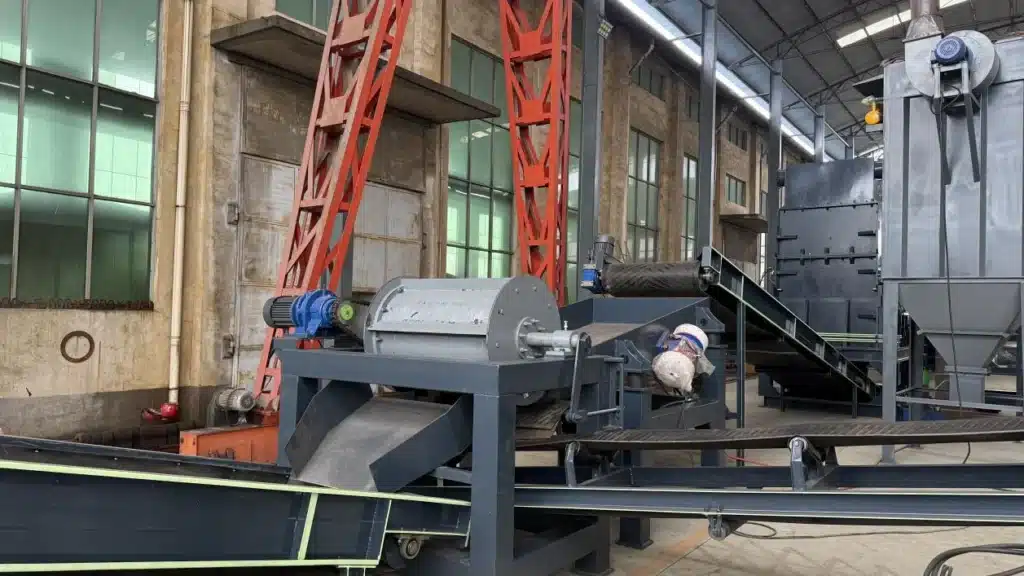
Before any sorting happens, the incoming waste must be physically broken apart. The concept of scrap shredding separation involves reducing large, complex items into smaller, uniform pieces so that distinct materials are no longer tangled together. For example, an automotive engine block contains steel, aluminum, and various plastics. Without proper pre-shredding and crushing, a sorting machine cannot pull the aluminum away from the steel casing. This mechanical liberation is the absolute prerequisite for downstream processing. Our systems at MAXIM machinery achieve crushing, impurity removal, sorting, and forming in a seamless flow to elevate overall metal purity and recycling value.
To clarify how these systems complement each other, review the technical distinctions below.
| Feature | Magnetic Separation | Eddy Current Separation |
| Target Material | Ferrous metals | Non-ferrous conductive metals |
| Operating Principle | Magnetic attraction | Electromagnetic repulsion |
| Position in Line | Always placed first | Always placed after magnetic sorting |
| Typical Output | Iron, steel scrap, cast iron | Aluminum, copper, brass |
The first line of defense in a material recovery facility is extracting everything that sticks to a magnet. This step protects subsequent, more sensitive machines from heavy iron chunks that could cause severe physical damage.
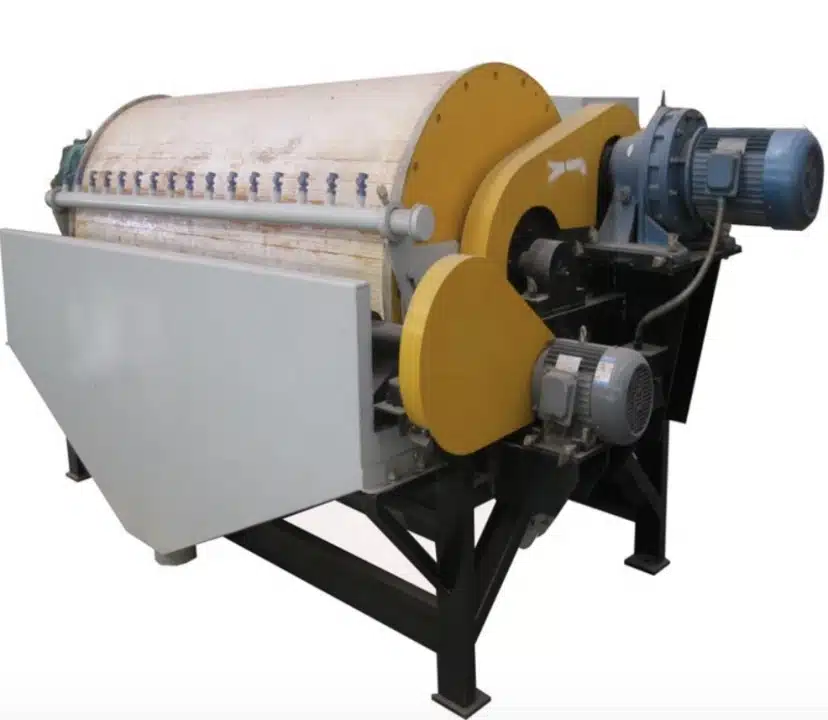
This process relies on straightforward physical attraction. As the mixed shredded stream travels along a conveyor, it passes under an overhead suspended magnet or over a magnetic head pulley. The strong field pulls ferrous objects out of the main material stream. The separation of ferrous parts must happen early because if iron reaches the downstream non-ferrous equipment, it can heat up rapidly and destroy the synthetic conveyor belt or damage the internal rotors.
The primary commodities removed during this phase include standard carbon steel, cast iron components, and various iron alloys. When processed correctly through an integrated system, these recovered ferrous fractions serve as premium front-end raw materials for downstream metal smelting and can directly connect to the downstream supply chain. Removing these high-volume, lower-value metals first drastically reduces the material burden on the rest of the facility, allowing subsequent machinery to operate with much higher precision.
Once the iron is out of the way, the remaining stream consists of plastics, rubber, glass, and highly valuable non-ferrous materials. This is where advanced electromagnetic technology takes over to capture the remaining revenue streams.
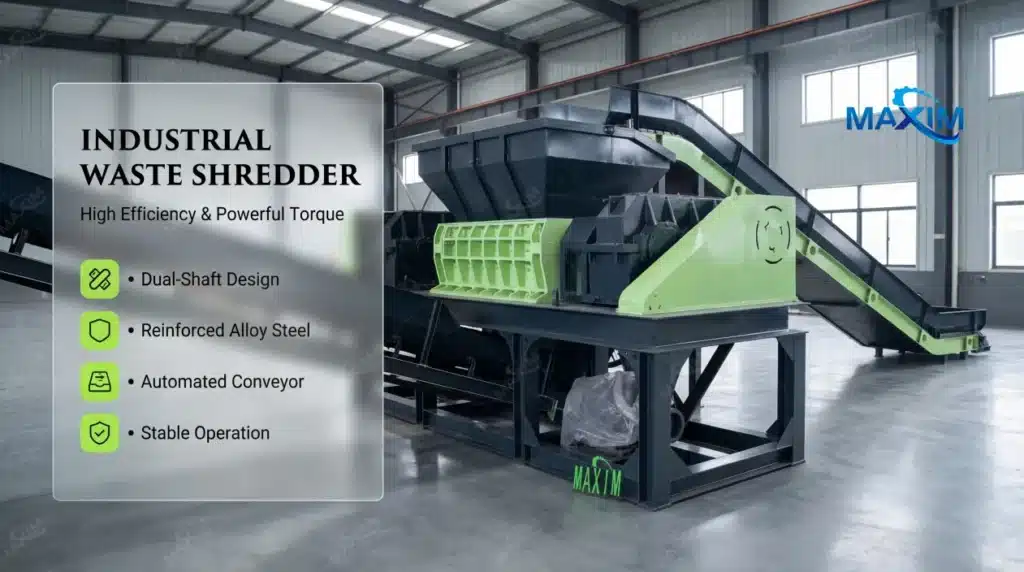
Inside an eddy current separator, a high-speed rotor lined with alternating permanent magnets spins independently inside a non-metallic drum. When a conductive piece of material passes through this rapidly changing field, electrical currents are induced within the material itself. These currents create their own localized field, which opposes the machine’s primary field. The resulting repulsion physically ejects the conductive items forward into a collection bin, away from the inert plastics and glass that simply fall straight down off the belt.
This phase targets the most lucrative materials in the recycling market. Aluminum packaging, copper wires, and brass fittings are aggressively repelled and collected safely. By integrating magnetic separation and eddy current separation technologies, we effectively separate these valuable metals from non-metallic impurities. This ensures maximum financial recovery from mixed electronic or automotive waste while meeting strict environmental compliance standards.
Purchasing excellent sorting equipment is only half the battle. The physical layout, material sizing, and sequence of the machinery dictate the true yield of your operation.
The efficiency of any downstream separator is directly tied to the performance of the scrap metal shredder placed at the front of the line. If the shredder leaves materials clumped together, the magnets will pull the iron and drag the attached copper right along with it, creating a contaminated batch. A high-quality industrial metal shredder breaks the material down to an optimal size, ensuring full liberation. Core components like shredder blades and sorting systems are independently developed by MAXIM machinery, offering wear and impact resistance that exceeds industry standards. This durability ensures consistent output sizes over long operational periods.
To build a highly efficient plant, operators should follow these sequential steps:
A: Direct connection is possible but requires careful engineering. Without intermediate steps like a buffer hopper or vibrating feeders, material surges from the primary crusher will flood the sorting belts. Overcrowded belts prevent the magnetic fields from penetrating the material layer accurately. A well-designed MAXIM machinery system incorporates PLC controls and metering equipment to ensure a uniform feed rate from the crusher to the sorting stages, maximizing overall efficiency.
A: The most effective approach utilizes a combination of an overhead cross-belt magnet followed by a magnetic head pulley at the end of the conveyor. The overhead unit pulls out larger pieces of iron and steel, while the magnetic pulley captures any remaining fine ferrous particles that might be buried under non-magnetic waste, ensuring a clean stream before the non-ferrous stage.
A: Most common grades of stainless steel have very weak magnetic properties and relatively low electrical conductivity. Because of this, they are neither pulled by traditional magnets nor strongly repelled by the eddy current rotor. Stainless steel typically falls into the inert waste fraction along with plastics. Specialized sensor-based sorting machines or high-intensity magnetic systems are often required to accurately recover stainless steel.
A: This step is required to achieve material liberation. If a copper wire is still tightly wrapped inside a steel housing, the sorting equipment cannot separate them. The magnet will attract the steel and inadvertently pull the valuable copper into the ferrous bin. Proper sizing through primary and secondary crushing ensures that distinct materials are completely detached from one another.
A: They serve as the critical purification phase. A standard layout begins with pre-shredding to break down bulk items, followed by secondary crushing to ensure full liberation. The material then passes through a magnetic separator to remove iron, and finally an eddy current separator to recover aluminum and copper. This highly automated approach reduces manual intervention and meets the high-purity standards required for front-end raw materials used in metal smelting.
Many recycling facility operators find themselves losing valuable copper and aluminum to the waste stream simply because their sorting systems are incomplete. A common mistake in facility design is relying solely on basic magnets, which only extract iron-based materials. To achieve high purity and maximum financial return, understanding the distinct roles of magnetic vs eddy excerpt …
