
Two quotations may name the same machine type but describe different purchases. One scrap metal shredder price may cover a base machine; another may include feeding, discharge, commissioning or spares. The comparison begins with a written duty and scope shared by every bidder. Ownership cost then uses the site's operating hours, electricity tariff, maintenance plan and expected tonnage. Keep those assumptions beside the figures. Procurement and engineering can review the same record instead of trying to reconstruct it from separate proposals.
A useful quotation identifies the exact configuration, feed used for sizing, capacity conditions, and discharge size. The scrap metal shredder price should specify currency, validity, payment terms, taxes, and freight. Without these basics, a price difference may reflect scope rather than value.
An equipment quotation has a boundary. The machine can be priced alone while conveyors, controls, dust collection and separation sit outside the offer. Each missing item has a purchaser and a cost. The scrap metal shredder price should identify the base machine and every included auxiliary item.
MAXIM machinery lists metal shredder configurations with motor power and nominal capacity. Our model rows help identify the quoted machine; the buyer still needs the capacity basis for the actual scrap mix. A figure for one feed condition should not become another yard's financial assumption.
Mark where each supplier's responsibility ends. Freight, unloading, foundations, electrical connection, installation, and commissioning may be priced by different parties. Record each as included, excluded, or separately priced; clarify blank cells. Shredder installation cost depends on site power and civil works, so use site-specific allowances.
An integrated scrap metal recycling production line can include feeding, pre-shredding, crushing, separation, dust collection, and controls. For a standalone purchase, mark the surrounding stages as excluded. For a line, identify who supplies and connects each stage. The scrap metal shredder price cannot be compared with a complete line price.
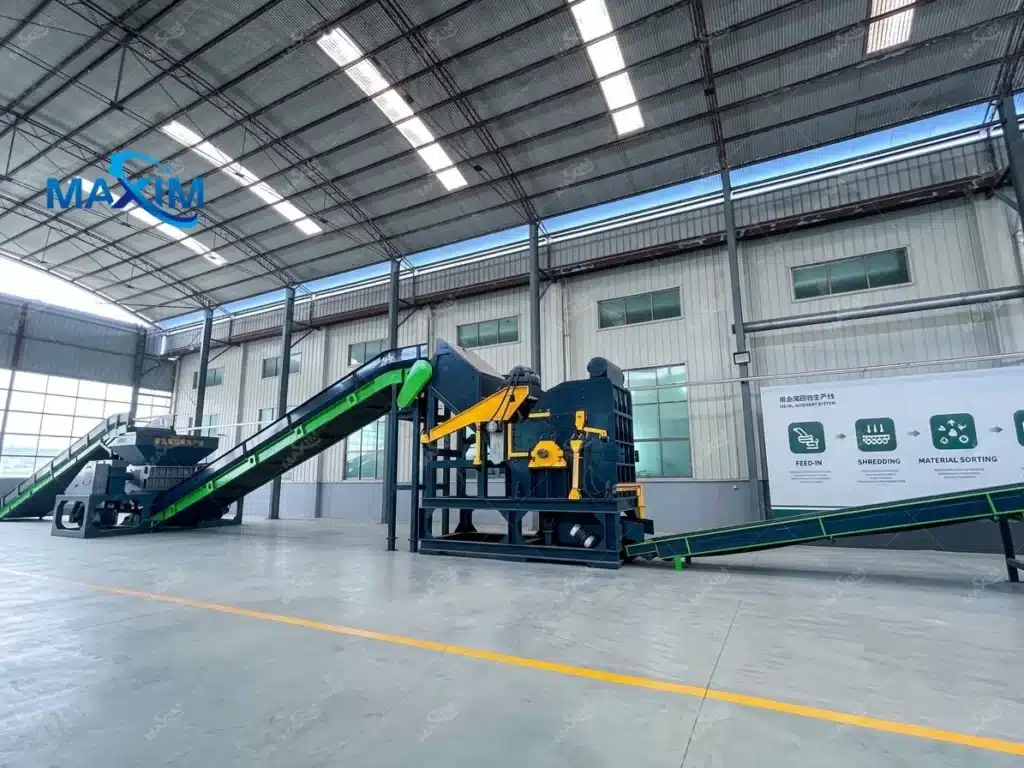
The comparison starts with one duty sheet: feed, throughput, output, delivery point and site conditions. Each bidder's metal shredder machine price should answer that sheet. Record a different duty as an alternative instead of placing it in the same price column. Check technical fit before ranking scrap metal shredder price quotes; keep detailed model selection in the equipment specification.
| Comparison field | Quote A | Quote B | Buyer check |
| Base shredder and duty | Supplier entry | Supplier entry | Same feed and duty? |
| Auxiliaries and controls | Included or excluded | Included or excluded | Same equipment scope? |
| Freight and site work | Included or excluded | Included or excluded | Same delivery terms? |
| Commissioning and spares | Included or excluded | Included or excluded | Same service scope? |
An excluded item is not a zero cost. Obtain a budget and add it to comparable installed cost. Keep supplier totals beside adjusted totals, with each allowance identified, so a revised scope does not hide a change in the scrap metal shredder price comparison.
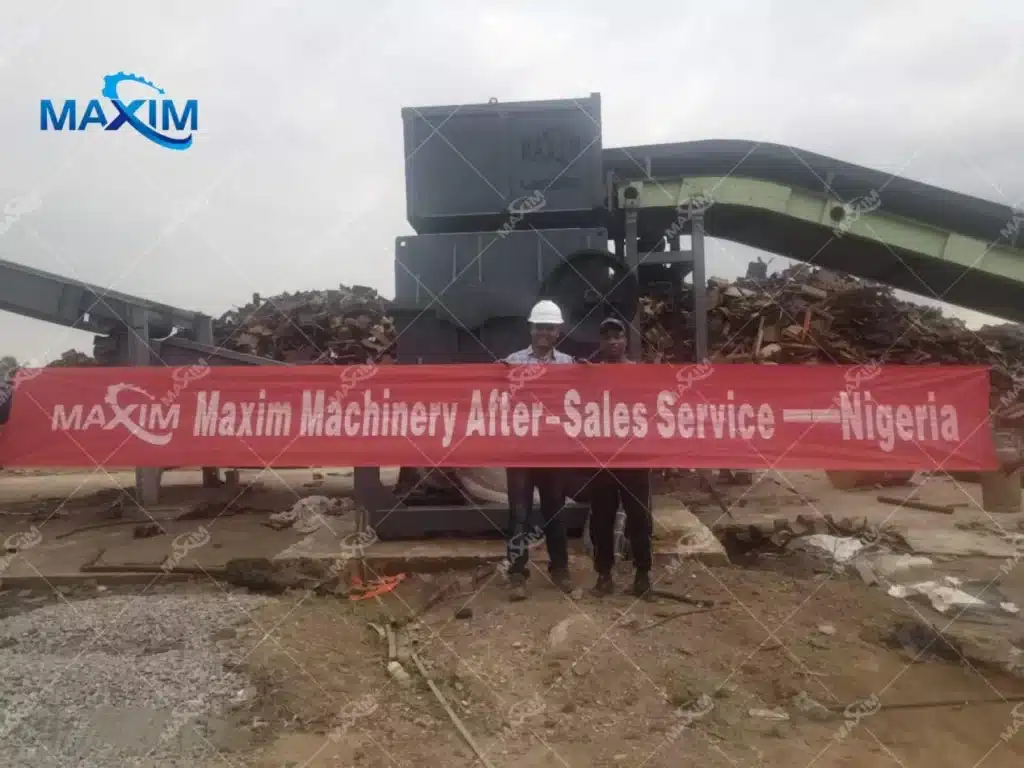
A purchase price is one entry in an ownership-cost ledger. The ledger also carries electricity, maintenance, wear parts, attributable labor and downtime effects over a defined period. Use the same period and finance method for every bid. A scrap metal shredder price quote does not guarantee an operating rate or spare-parts life.
Request motor and auxiliary loads plus their test basis. Nameplate power is not average draw; use a defensible utilization assumption for the planned feed. Multiply estimated kilowatt-hours by the site's tariff and state whether conveyors and extraction are included. This adds energy to the scrap metal shredder price comparison without claiming a universal cost per tonne.
Budget cutting elements, lubricants, inspections, and service labor separately. Request part codes, replacement criteria, prices, and lead times. MAXIM machinery accepts product quote and project design inquiries; ask for a spare-parts list tied to the quoted machine. The yard can then use its own maintenance schedule.
Estimate downtime through a defined consequence such as overtime, hired capacity, or delayed processing. Use site throughput and schedule. Do not count both lost margin and replacement processing for the same missed tonne. Test a range instead of assuming an uptime guarantee.
Divide period ownership cost by expected processed tonnes. Test more than one realistic utilization level. Keep recovery revenue separate unless every bid uses the same verified output assumptions. The scrap metal shredder price alone cannot establish return on investment.
Confirm that adjusted quotes cover the same duty and acceptance test. Identify who owns interfaces, drawings, and commissioning prerequisites. Record warranties and service response terms exactly as offered. If a critical interface remains unpriced, the scrap metal shredder price comparison is still open.
Show each bid's headline price, adjusted installed cost, and period cost per tonne, with unresolved assumptions alongside. Keep the approved comparison sheet with the purchase specification so later scope changes remain visible. Send MAXIM machinery a quotation request with material, feed and output targets, operating schedule, utilities, and delivery boundary. Those inputs make the scrap metal shredder price comparison verifiable.
A: Quotes may cover different duties, auxiliaries, delivery points, and installation work. Request itemized scopes, then add separately priced exclusions to a common installed-cost basis. A scrap metal shredder price difference can reflect a different purchase boundary rather than a different value for the same equipment.
A: Only the itemized quotation can answer that. A standalone shredder and an integrated line have different boundaries. Ask which conveyors, controls, and connections are included. Treat missing items as open costs; do not assume the metal scrap shredder machine price covers them.
A: Start with the delivery point and site drawings. Price unloading, foundations, electrical work, assembly, and commissioning under named responsibilities. If details remain incomplete, keep a provisional allowance separate from the scrap metal shredder price and replace it when a contractor gives a firm scope.
A: Use a defined period and add electricity, attributable labor, maintenance, wear parts, and downtime effects to installed cost. Enter the yard's hours, tariff, scrap mix, and throughput. Show uncertain inputs as a range; an industrial metal shredder cost estimate is not a guaranteed operating result.
A: Only if the machine fits the required duty and the quotation covers a comparable scope. Review adjusted installed cost, ownership assumptions, acceptance criteria, service terms, and unpriced interfaces. A decision based solely on scrap metal shredder price overlooks costs that the buyer may still have to pay.
Two quotations may name the same machine type but describe different purchases. One scrap metal shredder price may cover a base machine; another may include feeding, discharge, commissioning or spares. The comparison begins with a written duty and scope shared by every bidder. Ownership cost then uses the site’s operating hours, electricity tariff, maintenance plan excerpt …
