
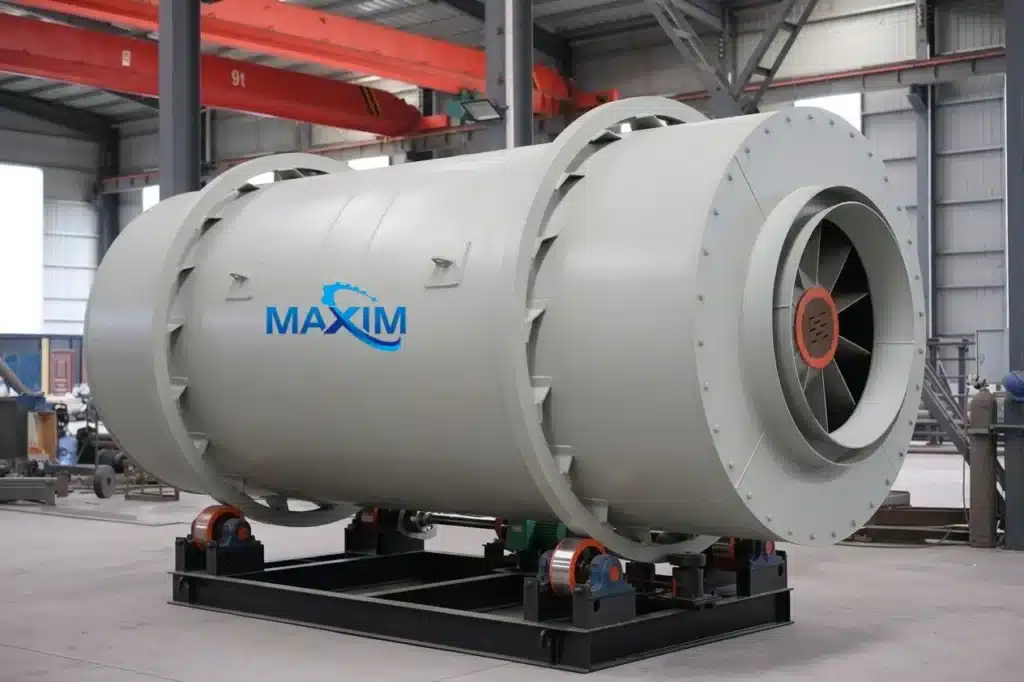
In industrial drying systems, high noise goes beyond a simple comfort problem. High noise often points to inefficiencies inside the equipment. In triple pass rotary dryers, noise usually comes from mechanical imbalance or uneven airflow patterns. These issues create vibration, friction, and energy loss. The system runs quietly when mechanical parts align properly. The system runs quietly when airflow supports even material movement. Lower noise levels lead to smoother operation. Lower noise levels also lead to better energy efficiency. The reason involves less energy waste from handling vibration or air turbulence. Reduced vibration lengthens the service life of key components. Key components include bearings, seals, and support rollers. This approach cuts down on sudden breakdowns. This approach also boosts long-term reliability.
High noise levels cause operator fatigue. High noise levels create safety risks in industrial settings. Constant exposure to loud machinery affects concentration. Constant exposure also raises the chance of maintenance mistakes. Quieter triple pass rotary dryers build safer work conditions. Operators can hear small sound changes in quieter setups. Small sound changes may signal early mechanical problems. Quieter systems make maintenance checks easier. Technicians identify issues like misalignment or worn parts more clearly without loud background noise. Effective noise control lowers downtime from mechanical wear. Balanced operation avoids early failure of moving components.
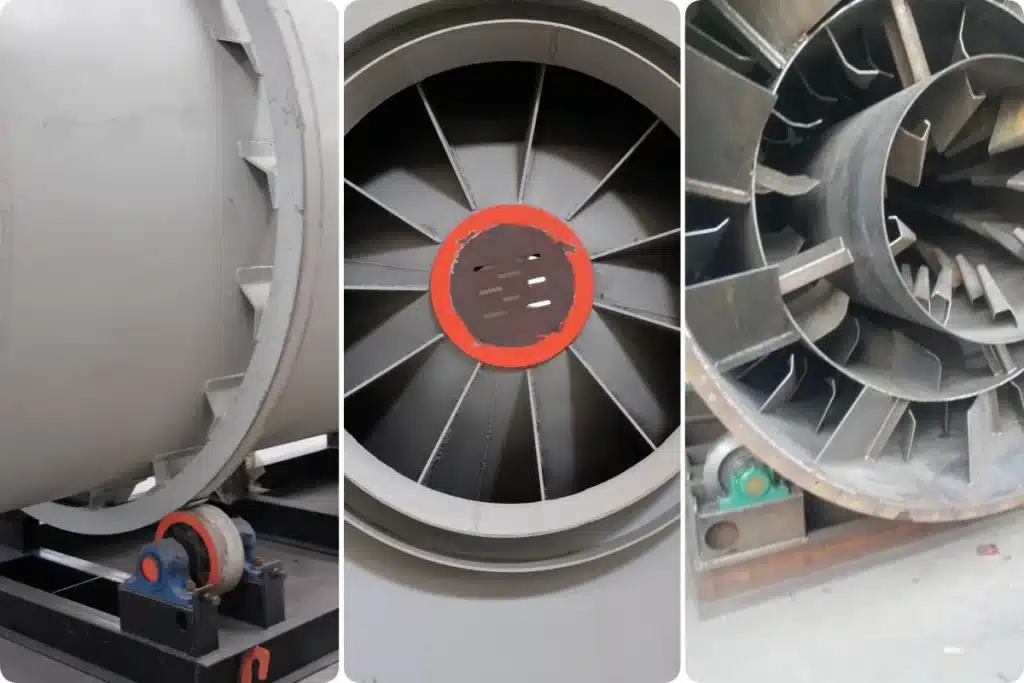
Engineers design triple-pass rotary dryers with several concentric drums. These drums let materials move through three clear drying zones in a small space. This setup improves heat transfer. This setup also keeps the rotation steady. Proper drum alignment cuts down friction between moving parts. Proper drum alignment removes extra vibration sources. Internal flights receive careful design for steady material flow. Steady material flow comes with less turbulence. This prevents uneven loading. Uneven loading might cause mechanical stress or sound resonance during work. The drum drying equipment consists mainly of the rotating body, lifting plate, transmission device, supporting device, and sealing ring. These components cooperate to hold stability during the entire drying process.
Noise reduction in triple pass rotary dryers relies on strong sealing and insulation systems. Quality seals stop air leaks at connection points. This action reduces operational noise by avoiding pressure changes inside the drum. Thermal insulation materials soften sound from internal airflow. Thermal insulation materials also improve thermal efficiency at the same time. Stronger sealing lowers sound output. Stronger sealing also helps save fuel. Heat stays inside the system better with stronger sealing. The dryer uses a new type of material lifting plate device. This device offers several roles like guidance, flow sharing, and material lifting. This design makes sure materials spread evenly inside the dryer. This design also cuts down on structural vibration.
Routine maintenance holds a key role in keeping a low-noise operation. Workers lubricate bearings and gears on a regular basis. This step reduces frictional resistance that leads to squealing or grinding sounds. Periodic checks of drum alignment help avoid uneven wear. Uneven wear could cause an imbalance during rotation. Quick replacement of worn seals keeps optimal sound control. Airtight connections between dryer sections stay strong with quick replacement. A well-maintained triple pass rotary dryer runs quietly. A well-maintained triple pass rotary dryer also gives steady drying results over time.
Installation conditions affect noise spread in major ways. Install the dryer on a firm foundation to cut down vibration transfer to nearby structures. Flexible connections between ducts absorb sound waves from airflow shifts. Position the unit away from closed walls for better sound spread. This positioning avoids echo buildup in tight areas. For custom projects, MAXIM machinery provides layout designs suited to the site. These designs ensure top performance based on local conditions.
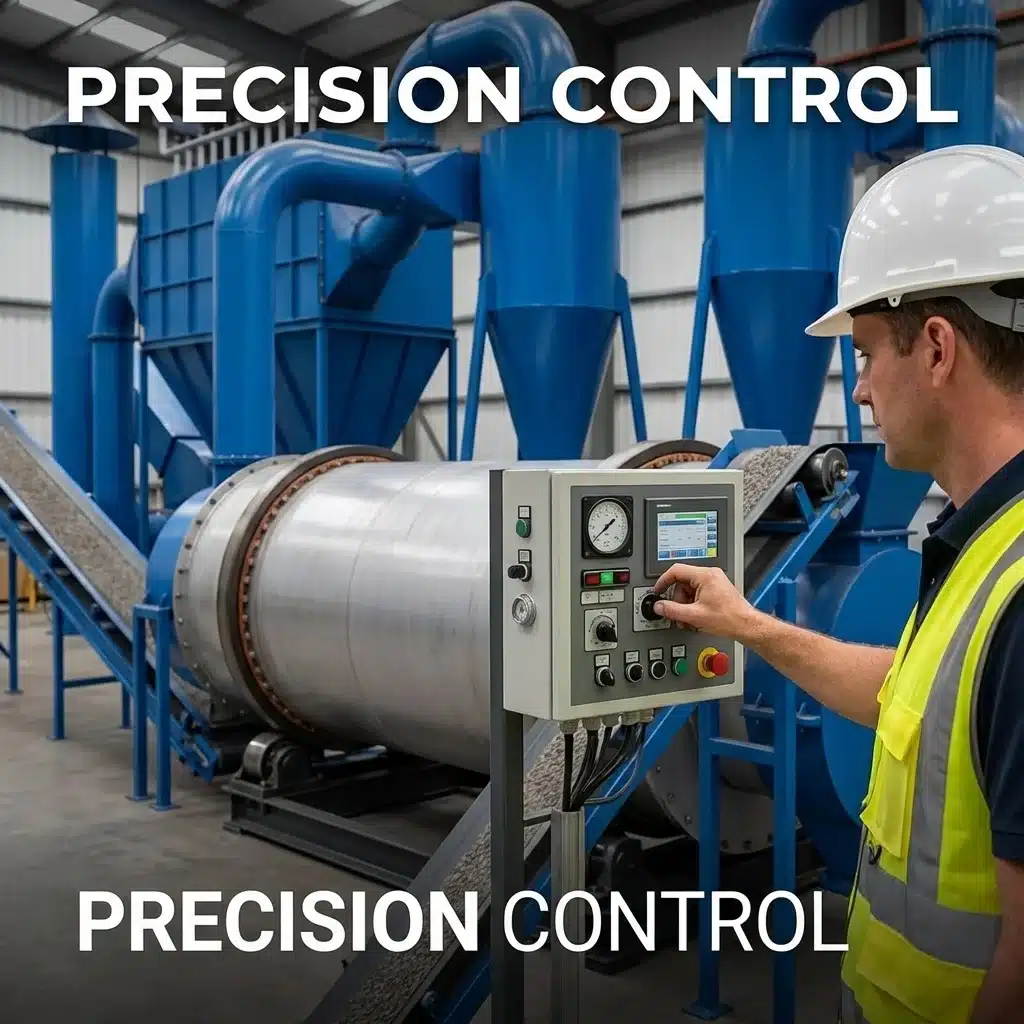
Efficient operation needs exact control of airflow speed and temperature spread across all drum passes. Operators adjust air velocity for uniform drying. This adjustment avoids extra turbulence that might raise noise levels. Optimized burner settings deliver steady heat through each drying stage. Optimized burner settings prevent hot spots or temperature swings. Monitoring exhaust temperature lets operators assess energy use efficiency. Operators keep performance steady this way. Operators also save on fuel use.
Modern triple pass rotary dryers benefit from automated control systems. These systems hold key factors like airflow, temperature, and drum speed steady in real time. Sensors watch equipment actions nonstop. Sensors spot unusual patterns early. This prevents noise rise from imbalance or part wear. Data-based changes improve drying evenness. Data-based changes also improve energy efficiency. Acoustic output stays low with these changes.
Henan MAXIM Machinery Equipment Co., Ltd. focuses on innovation, design, and production of self-developed equipment. The engineering team uses precise manufacturing methods. These methods boost stability and cut vibration during work. Every triple pass rotary dryer from MAXIM machinery includes advanced noise reduction systems. These systems are suitable for large-scale industrial use. These systems ensure strong energy performance, too. Ongoing research and development keep compliance with current environmental and sound standards. Each model faces strict testing in actual production settings before shipment.
MAXIM machinery supplies a wide array of industrial dryers. The array includes triple-pass rotary dryers, single-pass rotary dryers, and drum dryers for different uses. Uses cover building materials, minerals, biomass residues, or sludge processing. Industrial drum dryers work by rotating a drum to dry materials. Custom solutions exist based on raw material traits, capacity needs, and setup environment. Each system reaches peak efficiency with small sound effects. After-sales support offers maintenance training programs. These programs help clients keep top performance throughout the equipment's life.
A: Common causes include misaligned drums, worn bearings, unbalanced airflow patterns, or loose seals leading to air leaks.
A: Lower noise indicates balanced mechanical motion and steady airflow, which reduces wasted energy from vibration or turbulence.
A: Yes, MAXIM machinery offers fully customized solutions adapted to specific materials, capacities, and site conditions for optimal performance.
A: Regular lubrication of moving parts, periodic alignment checks, timely seal replacement, and cleaning buildup areas ensure smooth functioning.
A: Because our triple pass rotary dryer combines advanced engineering design with superior sealing systems, delivering lower noise levels while maximizing thermal efficiency across continuous operations.
A request such as “quote a scrap metal recycling line” leaves many technical questions open. Similar scrap can still require different feeding, shredding, conveying, sorting, and discharge arrangements. A better RFQ defines the job before asking for a machine. Material, capacity, sorting goals, final product, and site conditions should all be clear. What Information Should a excerpt …
