
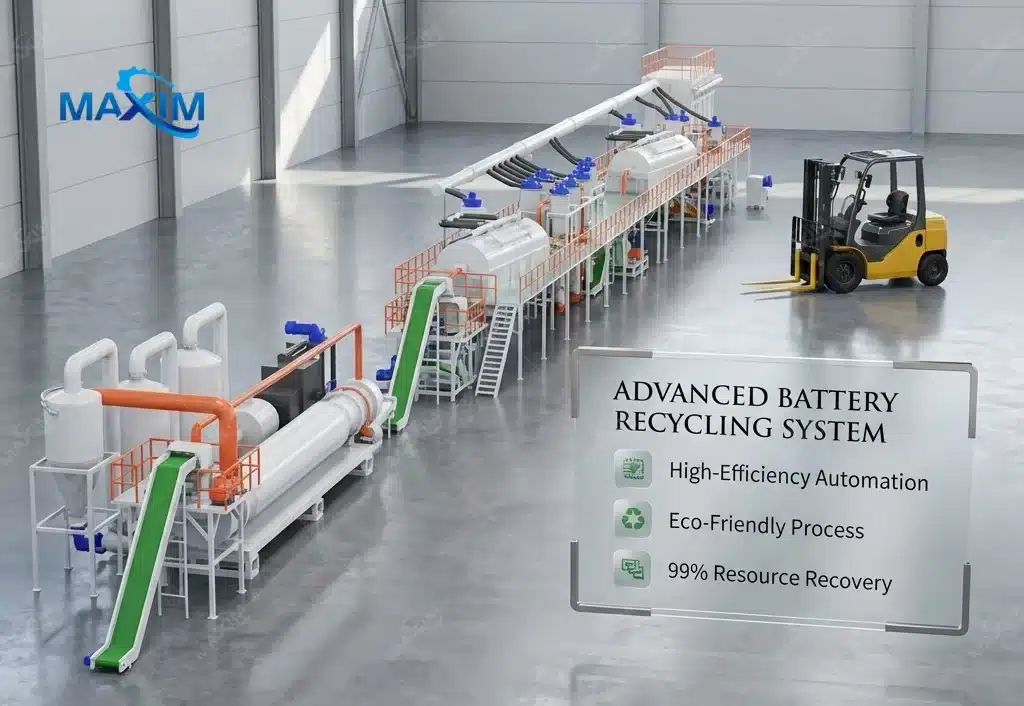
As electric mobility accelerates globally, the demand for cost-effective EV battery recycling solutions becomes a defining factor in the sustainability of the automotive industry. Companies such as MAXIM machinery have emerged as key players by developing advanced recycling systems that merge environmental responsibility with economic feasibility. Henan MAXIM Machinery Equipment Co., Ltd. is dedicated to innovation, design, and production of independently designed and developed equipment. Their focus on resource recycling and environmentally friendly machinery reflects how industrial engineering can directly support circular economy objectives.
The worldwide move to electric vehicles keeps reshaping supply lines for materials. More countries pledge to achieve zero carbon output. As a result, the push for smart handling of old lithium-ion batteries grows stronger. Affordable EV battery recycling solutions tackle both green goals and money needs.
By 2026, millions of electric vehicles will hit the roads. Governments are making rules stricter under broad producer duty setups. These rules force makers to handle gathering and reusing of spent batteries properly. Short supplies of key raw stuff like lithium, cobalt, and nickel make the rush for good recovery setups even bigger. The full recycling and handling gear for waste lithium batteries offers high automation levels. It is simple to scale up for industry use. This kind of tech helps meet coming EU and North American rules. At the same time, it keeps profits steady.
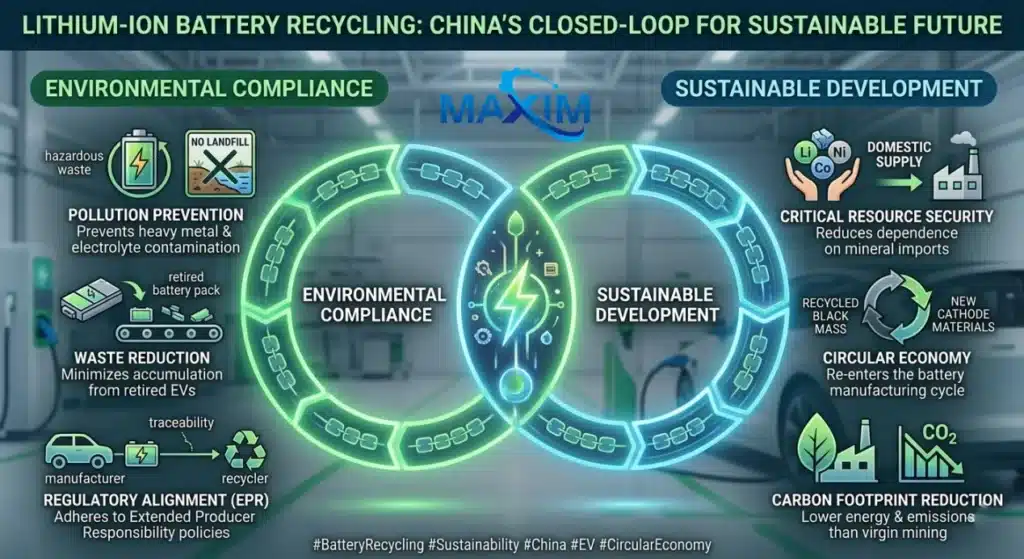
Reusing cuts reliance on fresh mining. It also lowers carbon output from digging processes. Metals pulled back, entering making cycles again. This drops building costs. Plus, it steadies supply lines against price swings.
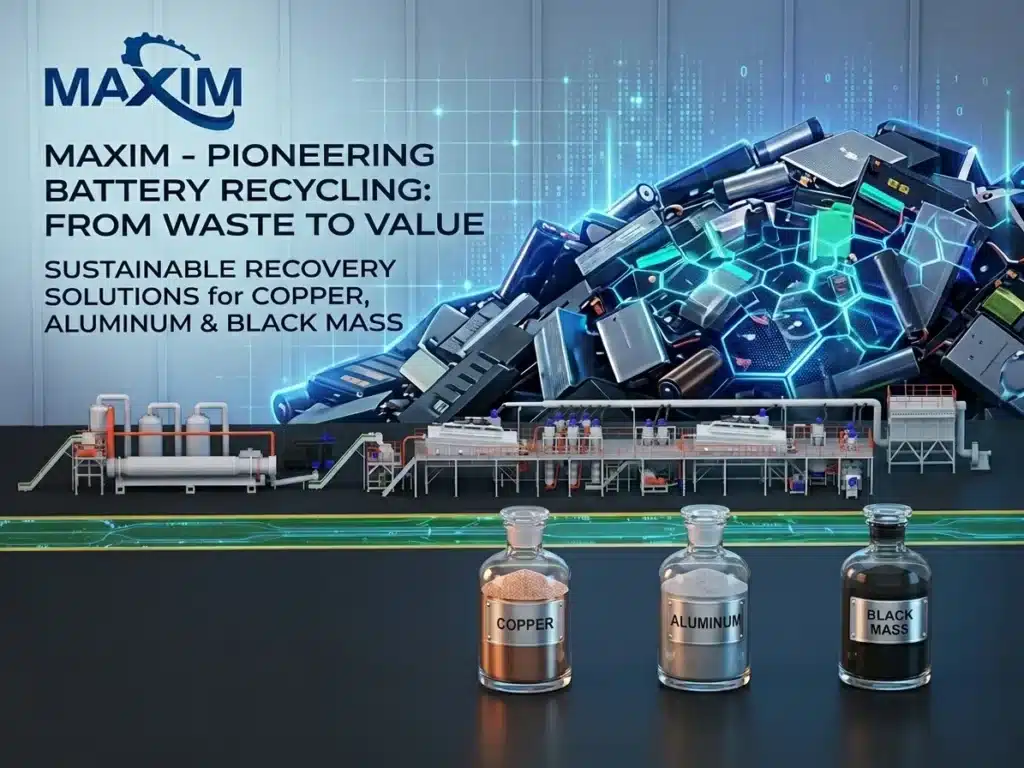
Recyclers pull out pure copper, aluminum, and lithium mixes from tossed cells. In this way, they cover big chunks of raw material bills. The aluminum in the positive and negative electrode parts is under 3‰. The quality of copper and aluminum is ≥96%. These exact pull-back rates show how smart processing setups give both green rule-following and clear money gains.
Gathering logistics take up costs. Safe transport steps add more. Taking apart by hand uses labor. Heavy energy steps in processing make up the bulk of spending. Methods like wet metal pulling or heat melting differ a lot in money value based on size. The production line includes a crushing system. It has a sorting system too. There is a conveying system, an air cleaning system, and an auto control system. It comes with a main dust removal setup. Auto features in these systems cut worker needs. Yet, they keep a steady output flow.
Profit links closely to the recovery amount. When black powder or metal pull-out tops 99%, overall ROI holds firm. This happens even with changing commodity prices. Black powder recovery≥99%, Aluminum powder recovery≥99%, Copper recovery≥99%. These numbers explain why improving processes remains key to lasting money results in reused work.
New ideas keep changing what makes a good reuse model for lithium-ion batteries. The shift to purer chemical types calls for flexible recovery ways.
Fresh wet metal systems use picky leaching tools. They pull metals at cooler heats than melting paths. Closed water loops cut waste outflow. Modular factory plans let setups grow by area. It offers full closed-loop handling (Pre-shredding-crushing - sorting). This meets green emission rules. Smart controls lower hand work. It fits various battery kinds. Adding these plans to EV battery recycling sites ensures bendability across different chemical types like NMC or LFP.
Straight cathode renewal skips many chemical steps. It fixes electrode work through heat or machine treatment. This keeps the structure whole. It cuts chemical use. Also, it shortens the time from waste to usable stuff. These are the main points for keeping a low EV battery recycling cost setup.
Good factory running goes past tech. It needs smart planning across auto systems and supply ties. These are steady raw input flows.
AI tools based on recognition now spot cell chemical types on their own. This starts before taking apart. Such accuracy cuts mix-up risks between materials. It boosts output rightness. Tools for guessing upkeep watch part wear signs. They stop at surprise stops. This matters a lot in steady reuse lines that handle up to several tons each hour.
Ties between recyclers, original makers, and material providers lock in steady input amounts. They ease price changes for pulled metals. Joint transport nets also trim moving emissions. This gives a double win that fits with the ESG report needs.
Government rules play a big part in forming investment results in this area. They set base efficiency marks. They offer money perks, too.
By 2026, European rules will demand at least recovery rates for lithium-ion parts. For cobalt, it is 90%. For nickel, it is 95%. Like efforts in the Asia-Pacific push joint public-private ties. They aim to grow home capacity via building grants.
Governments bring in tax breaks for new site building. They add carbon credit plans that reward emission cuts. Green money tools boost trust for investors in growing projects. These include EV battery recycling plants made under green design ideas.
As electric power grows into common travel setups, green end-life handling will set who wins by area.
New solid-state batteries may change the future take-apart ways. This is due to shifted chemical makeups. Adding AI guess models will foresee when car groups hit the end of their age. Recyclers can then plan space before need jumps. Blockchain tracking might soon check every reused batch. It goes from gathering to sale.
High-pull loops cut the need for brought-in ores. They build up local making groups around second raw stuff. With the mission of "Enabling Environmental Protection with Machinery, Creating Value with Recycling," MAXIM machinery will keep pushing in the area of green reuse gear. This view backs how factory recyclers help money growth aims and green care goals as we head to 2026.
For custom project talks or tech details on auto handling lines fit for different battery chemical types, expert groups are ready via MAXIM machinery’s contact page. Inquiries get answers in 24 hours.
A: Costs rely mostly on gathering logistics, energy in processing, worker effort, and tech type for metal pull. Automation cuts running bills a lot. It also boosts steadiness over batches.
A: They cut waste by pulling over 99% of key metals like copper and aluminum. At the same time, they lower emissions tied to the main mining jobs.
A: Yes. These ways run at lower heats with picky leaching tools. They pull metals well with less energy than heat melting.
A: ROI ties to metal market prices, process pull rates over 95%, auto levels that cut stop losses, and government aid for round economy projects.
A: End items cover pure copper bits, aluminum bits, graphite dust, and lithium cobalt oxide. All fit as input for the new cell making after strict clean rules.
A request such as “quote a scrap metal recycling line” leaves many technical questions open. Similar scrap can still require different feeding, shredding, conveying, sorting, and discharge arrangements. A better RFQ defines the job before asking for a machine. Material, capacity, sorting goals, final product, and site conditions should all be clear. What Information Should a excerpt …
