
Picking the best size reduction gear is a vital choice. It affects throughput, running expenses, and the quality of your end product in a recycling or manufacturing plant. You might deal with large scrap metal, complex electronic waste, or delicate lithium-ion batteries. So, grasping the basic mechanical differences between an industrial shredder and a grinder is your starting point for solid profits over time.
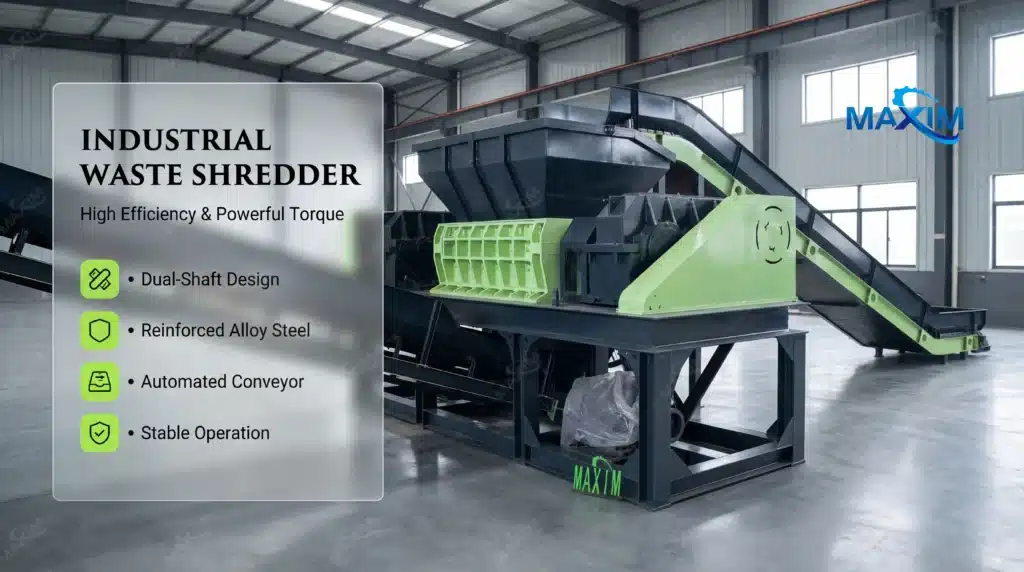
Industrial shredders rely on a main cutting method. They use slow speeds and strong torque to slice, rip, and smash big or sturdy materials into uneven chunks. These units handle large amounts of input. They often turn heavy waste into bits from 50mm to 100mm in size.
Grinders, on the other hand, act as follow-up tools for processing. They apply fast impact, slicing, or rubbing to turn already-cut material into tiny, even grains or fine dust. Their main job is to hit a precise particle size. This prepares it for later sorting or straight reuse.
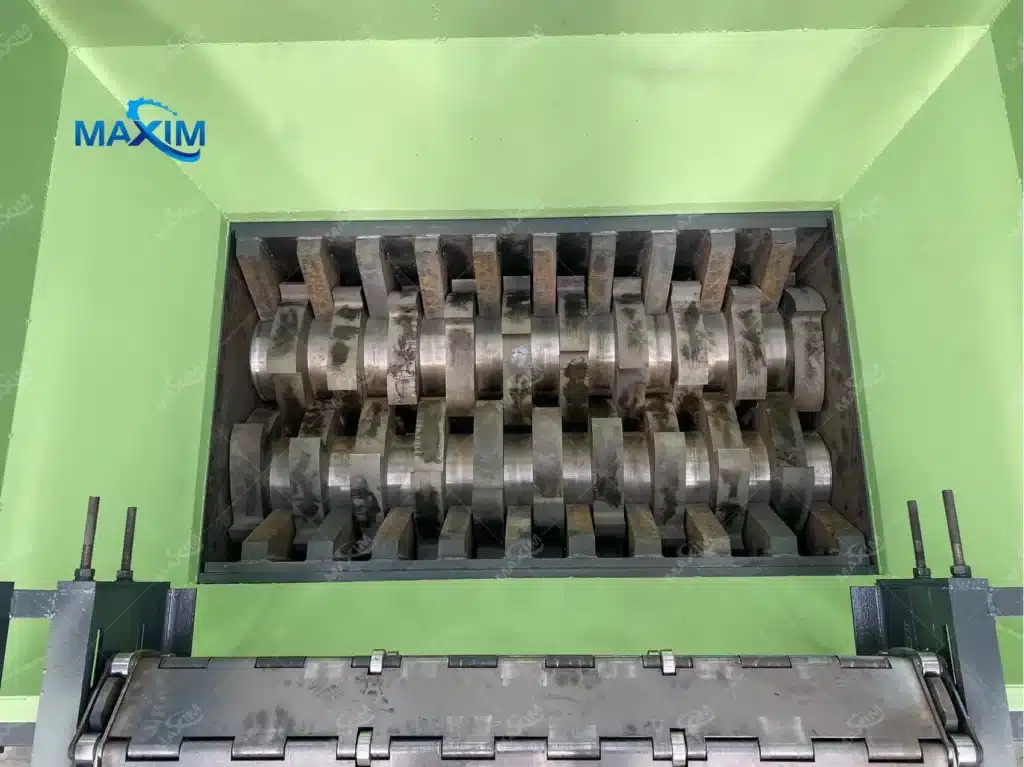
Shredder design stresses tough, sturdy shafts and blades for handling raw input. In comparison, a grinder has special cutting rotors. These are made for accuracy and frequent touches with smaller feed pieces.
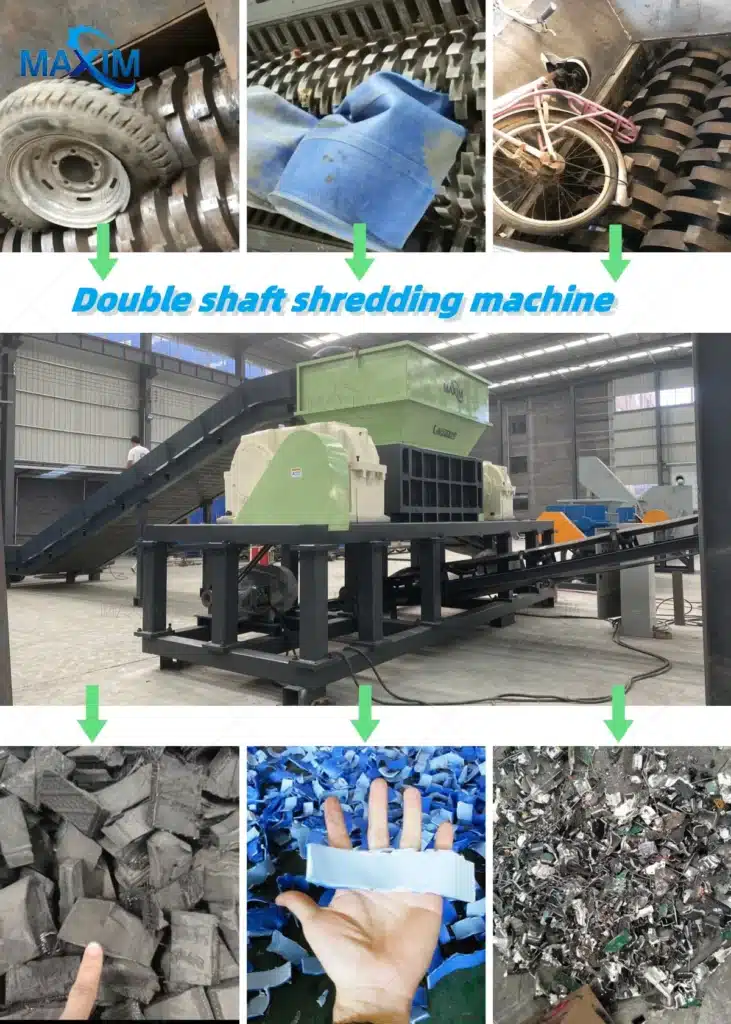
You need to know what your gear can handle well. This is key because putting the wrong stuff into a machine might cause major blade breakdowns or long stops. Pairing the device with your exact material—whether it's hard metal or fragile plastic—ensures a steady, trouble-free process.
Industrial shredders work best for the initial stage of handling. They manage big, durable items such as full scrap cars, appliance casings, and complete lithium battery packs. Their forceful cutting motion breaks apart the structure. And it does so without needing any pre-sizing of the material.
Grinders react strongly to input size. They need items that have gone through prior handling. They shine at changing cut plastic or metal bits into steady, small-grain material. This gets it set for further steps like eddy current separation or air classification.
Materials like lithium-ion batteries can be tricky. For them, MAXIM machinery suggests a paired "Pre-shredding + Crushing" method. This setup uses two stages. It reaches over 99% separation for useful black mass, copper, and aluminum. First, it cracks open the battery shell. Then, it processes the inside parts more finely.
After you confirm the material type, buyers turn to the solid technical details. These set the daily output of the facility. Today's plants want more than basic strength. They need smart setups that adjust to different site setups and goals.
Business buyers seek devices that match huge industrial needs. MAXIM machinery builds gear that holds steady work over a broad range of output. It fits users who need 10 to 20 tons per hour, as long as conditions support it.
Tech drives current efficiency. MAXIM machinery fits its units with PLC controls, error-alert sensors, and distant oversight. These cut down on hands-on work and stop mistakes during runs. Such options lower running and upkeep expenses. They allow changes in real time.
Skilled makers offer plans that fit your needs, not a generic approach. At MAXIM machinery, we adjust gear settings and line designs to match your exact site details. This ensures the best space use and smooth material flow.
The upfront cost is just the start for big equipment. The true worth shows up across the full life of the machine. Wise buyers weigh sturdy parts against the expense of any production pauses.
How long wear pieces last matters most to plant leaders. MAXIM machinery employs self-made blades and parts. These resist wear and hits better than the usual industry levels. So, in rough spots like metal and battery recycling, you replace them less often.
Stops in work mean lost money. For buyers worldwide, quick help is a big deal. We offer a full-service package. It includes staff training and a 24-hour response for support. This keeps your line running without issues.
Slow-speed, strong-torque shredders tend to save energy when dealing with lots of raw waste. This is unlike the high-power use of fast grinders. Those need more to process the same amounts from starting materials.
Regulations today, especially in Europe and North America, make safety and eco rules a must. Gear must produce well, but also stay clean and safe for workers. It has to pass outside checks.
Business buyers demand makers with CE marks. This confirms the size reduction gear follows global safety, build, and power rules. MAXIM machinery makes sure all its units meet these worldwide norms. That eases fitting them into industrial setups.
Processes with lots of dust, like grinding, need careful handling. MAXIM machinery creates sealed systems that run under negative pressure. They include central dust collection. Emissions stay under 5mg/m³, and noise under 90dB. This keeps the work area clean.
A true pro maker gives a complete service plan. It spans from early talks and plan creation to setup, testing, and continued checks for eco rules.
Deciding on an industrial shredder or a grinder hinges on your material's starting size and the output you want. Shredders handle the first cut for big waste like lithium batteries or scrap metal. Grinders focus on follow-up work to make fine bits. Buyers who stress tech details, smart PLC controls, and full ownership costs can secure strong returns on recycling efforts.
A: Your choice relies on the end result you seek. For cutting large scrap steel or aluminum into easy-to-move pieces, a slow-speed, high-torque industrial shredder from MAXIM machinery fits best. But if you need small metal grains for pure sorting or supply links, start with a shredder for the main cut. Then add a high-speed grinder to refine the particles as required.
A: It varies by your material's thickness and the needed output. Double-shaft models often handle high amounts of big input thanks to their strong grip. Single-shaft ones give more even control and smaller results. MAXIM machinery's engineers can review your plastic waste traits.
A: Grinders usually need more frequent upkeep because of their quick runs and tight gaps. Shredders are sturdier but call for regular blade fixes. MAXIM machinery cuts these expenses with special high-impact alloys for blades. We also add smart PLC alerts that warn staff of issues early. This avoids big failures and drops the overall ownership cost a lot.
A: No, trying to grind full batteries is risky. It can wreck the machine badly or spark safety problems. A dedicated lithium battery recycling line from MAXIM machinery uses a main industrial shredder first. It opens casings safely in a controlled, negative-pressure space. Only then does the material go to a follow-up grinder or crusher. This hits a 99% separation for black mass.
A request such as “quote a scrap metal recycling line” leaves many technical questions open. Similar scrap can still require different feeding, shredding, conveying, sorting, and discharge arrangements. A better RFQ defines the job before asking for a machine. Material, capacity, sorting goals, final product, and site conditions should all be clear. What Information Should a excerpt …
