
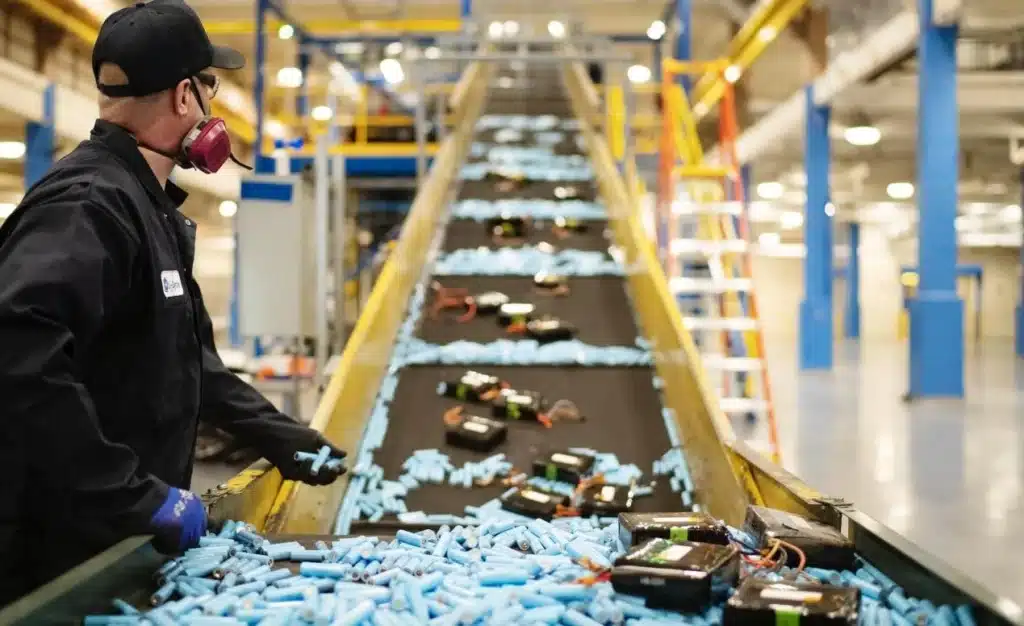
Lithium forms the base of current electric vehicle (EV) batteries due to strong energy storage and light weight, which allows greater driving distances and quicker charging. Global electrification speeds up. Demand for lithium rises quickly. The government rules back zero-emission vehicles. Consumers show interest in green travel. Rapid growth reveals weaknesses in the lithium supply chain. Supply shortages, political conflicts, and uneven resource spread spark strong rivalry for lithium resources around the world.
Lithium extraction brings environmental costs, even though lithium aids clean transport. Mining needs vast amounts of water and power. Mining often harms natural habitats and nearby residents. Prices in global lithium markets swing widely. Price swings affect EV production expenses. Manufacturers face sensitivity to raw material changes. Challenges stress the need for green sourcing plans. Green plans cut environmental damage. Green plans secure steady supply. A reuse method—pulling lithium from old batteries—lessens the need for fresh mining. The reuse method aids long-term economic stability.
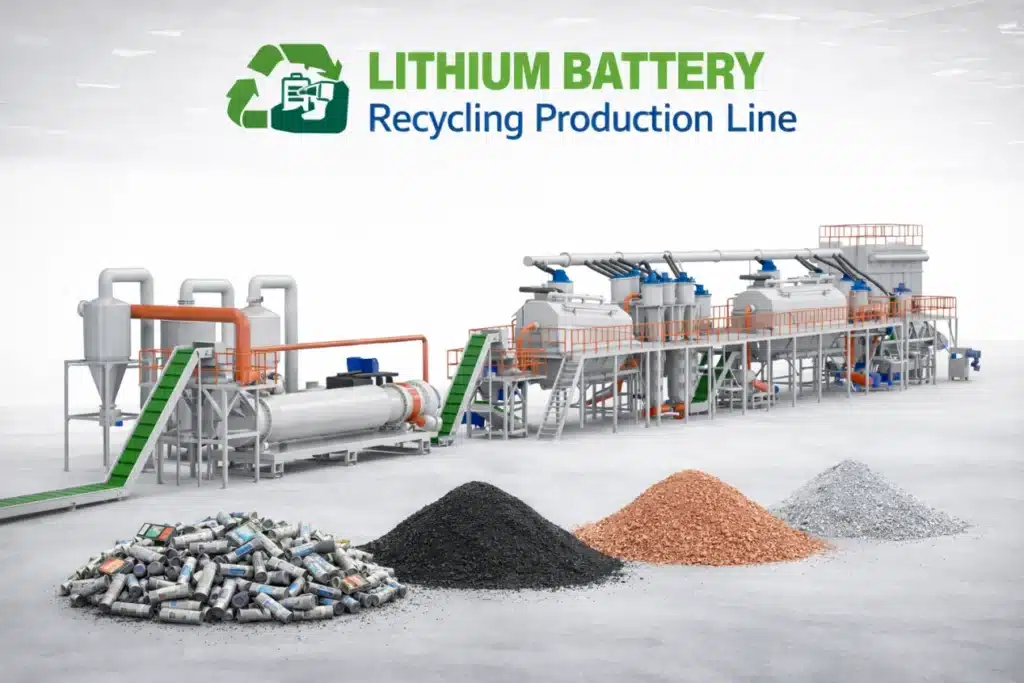
Electric vehicle battery recycling means gathering, taking apart, and handling used batteries to pull back key materials such as lithium, cobalt, nickel, aluminum, and copper. Modern recycling tools like hydrometallurgy break down metals with water-based solutions to gain high clean recovery levels. Direct recycling keeps cathode forms for reuse with little handling. Waste lithium battery recycling and treatment equipment shows high automation. The equipment suits an industrial scale easily. Recycling steps run on automation. Valuable parts from waste lithium batteries are recovered at over 99%. Good recycling cuts dangerous waste. Good recycling boosts resource use by returning recovered metals to fresh production loops.
EV battery disposal causes environmental harm through poison leaks. Disposal wastes metals that people can recover. Recycling puts materials back into the supply chain. Recycling cuts the need for raw mining. Governments push against disposal with firm rules. Rules favor closed-loop recycling setups. Materials flow without stop in industrial networks.
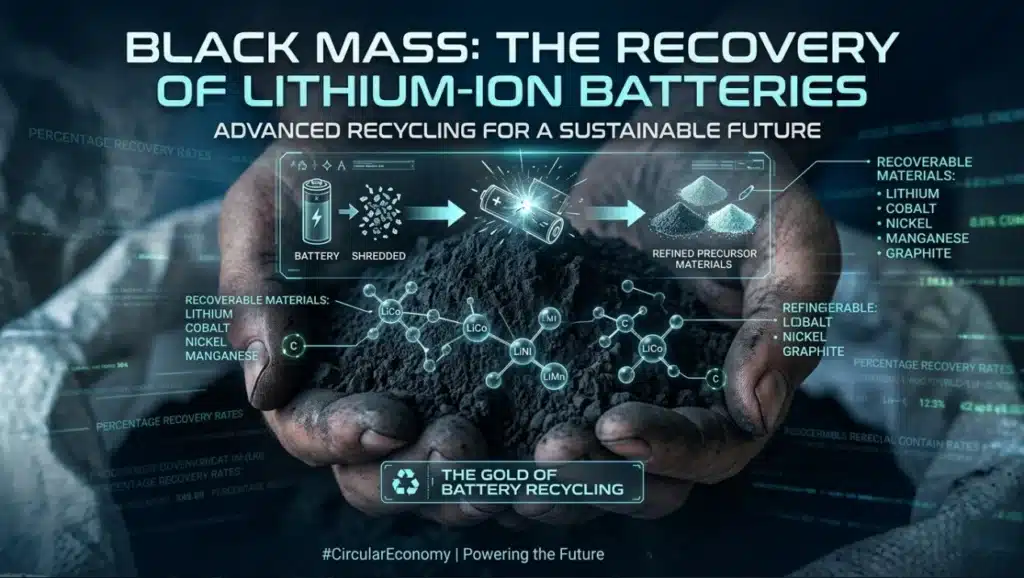
End-of-life EV batteries hold large amounts of reusable lithium. Specialized steps pull lithium back with good efficiency. Lithium battery treatment equipment splits aluminum, copper, and positive and negative electrode materials from thrown-away sheets for reuse. Recycled lithium works as well as fresh mined material in new battery making. Recycled lithium eases future demand strains. Nations scale recovery setups in industry. Nations gain local supplies without overusing natural resources.
Recycling shrinks the natural harm from mining. Recycling cuts land damage and water use. Recycling steadies global supply lines by offering a backup raw material source near production sites. Local recycling plants drop transport pollution and running expenses. Local plants aid job creation in eco-friendly sectors. MAXIM machinery gives tailored fixes made just for these uses—customized shredder machine handles pre-work on different battery kinds including ternary lithium and lithium iron phosphate cells, before split steps start.
Hydrometallurgical methods apply liquid chemical mixes to draw out metals at high clean levels with lower power than old smelting ways. This method fits green aims by cutting carbon output in metal pull-back work.
Direct recycling holds cathode strength without total material breakdown. Direct recycling allows quicker cycle times and expense savings over full chemical draw-out ways.
Automation raises safety. Automation limits worker contact with risky items in take-apart steps. Artificial intelligence boosts sort precision across varied battery types—key for mixed waste flows from many EV makers. Production line includes crushing system, sorting system, conveying system, air purification system, automatic control system, etc. Line has a central dust removal system. Smart control setups cut manual work. Smart controls ensure steady output in big-scale work—a main trait in MAXIM machinery’s tailored recycling lines.
Governments around the world set up rewards. Rewards urge makers to build recyclable batteries from the start. Funds back creating advanced recycling setups. Setups meet eco-rules. Setups keep business sense.
Links among automakers, recyclers like MAXIM machinery, and tech builders speed up new ideas in electric vehicle battery recycling and disposal networks. Shared online tools raise tracking through product lives—from first build to end collection. Tracking ensures duty in circular supply setups.
Recycling joins every step—from design to end use—forms a closed-loop network. Materials flow on without value drop. Focus on resource reuse drives research and the making of eco-friendly recycling tools. MAXIM machinery’s tailored fixes show this idea. Fixes mix shredding-crushing-sorting steps under full closed-loop watch. Watch meets emission rules.
Battery recycling aids clean energy aims. Recycling eases resource blocks that slow down wide electrification work. Mission of Enabling Environmental Protection with Machinery, Creating Value with Recycling guides deeper work in the environmental recycling equipment field. Efficient reuse systems spread worldwide. Industries gain economic strength. Industries cut the natural harm tied to raw material pull-out.
A: Process collects used EV batteries to extract valuable materials like lithium, nickel, cobalt, aluminum, and copper for reuse in new production cycles.
A: MAXIM machinery provides customized solutions such as automated shredding-crushing-sorting lines designed specifically for efficient electric vehicle battery recycling and disposal.
A: Recycling prevents toxic pollution from landfill disposal while recovering critical resources that reduce dependence on new mining operations.
A: Yes, recycled lithium demonstrates similar performance characteristics as newly mined material when processed using advanced hydrometallurgical or direct recovery techniques.
A: Governments encourage circular economy practices through subsidies, tax incentives, and regulations mandating responsible end-of-life management for electric vehicle batteries.
A request such as “quote a scrap metal recycling line” leaves many technical questions open. Similar scrap can still require different feeding, shredding, conveying, sorting, and discharge arrangements. A better RFQ defines the job before asking for a machine. Material, capacity, sorting goals, final product, and site conditions should all be clear. What Information Should a excerpt …
